- Migratory birds increasingly flock to Great Salt Lake as other saline lakes decline.
- Biologist Kyle Stone notes birds are concentrated due to low lake conditions.
HOOPER, Weber County — It takes just a few minutes for Kyle Stone to travel from his office and escape into the wetlands of Ogden Bay where many migratory birds come to nest, feed and rest before heading north for the summer.
"I love what I do," Stone said. "We get to be outside. I get paid to count birds for several weeks out of the year."
As a biologist with Utah's Division of Wildlife Resources, Stone serves as the project leader for the Great Salt Lake Ecosystem Program, which has been counting migratory birds around the lake and its wetlands since 1997.
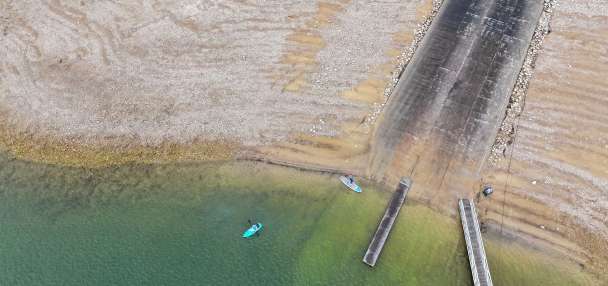
"With these low lake conditions, we're seeing a lot of the birds that are here are being artificially concentrated in the areas that are left," Stone said about the current spring migration. "And so while it feels like our numbers may be going up in a specific area, the range-wide trends, especially for shorebirds, are still declining."
But Stone says the program has also noticed a more concerning trend over the past few decades. As other saline lakes decline, particularly in California, more of the birds are being drawn to the Great Salt Lake. "Used to be a lot of those birds were going to the Salton Sea," Stone explained. "Now that the Salton Sea is mostly dry, that's no longer available to them."
Stone noted similar behaviors happening with the decline of Mono Lake, just east of Yosemite National Park. He adds, however, that it's not too late for the Great Salt Lake.
"We just have to do our part," Stone said. "And everything that we can do now is going to be beneficial years in the future."
Stone noted that Utah's Division of Wildlife Resources continues various efforts to reduce populations of invasive phragmites, which absorb lots of water. He also added that there are a number of ways that people can pitch in, aside from finding ways to conserve more water.