'%3e%3cpath%20d='M34.1406%205.85938C30.3906%202.10547%2025.3047%200%2020%200C14.6953%200%209.60938%202.10547%205.85938%205.85938C2.10938%209.61328%200%2014.6953%200%2020C0%2025.3047%202.10547%2030.3906%205.85938%2034.1406C9.61328%2037.8906%2014.6953%2040%2020%2040C25.3047%2040%2030.3906%2037.8945%2034.1406%2034.1406C37.8906%2030.3906%2040%2025.3047%2040%2020C40%2014.6953%2037.8945%209.60938%2034.1406%205.85938ZM37.0117%2023.543H31.1602V13.5391H27.6328V19.9414C28.1211%2020.6914%2028.3711%2021.582%2028.3711%2022.5625V22.625C28.3711%2023.668%2028.1172%2024.6055%2027.6328%2025.4297V26.6094H36.082C33.4883%2032.9375%2027.2891%2037.3789%2020.0039%2037.3789C10.3711%2037.3789%202.62109%2029.6289%202.62109%2020C2.62109%2010.3711%2010.3711%202.62109%2020%202.62109C29.6289%202.62109%2037.3789%2010.3711%2037.3789%2020C37.3789%2021.1484%2037.2617%2022.2656%2037.0508%2023.3477C37.0391%2023.4141%2037.0234%2023.4766%2037.0117%2023.543Z'%20fill='white'/%3e%3cpath%20d='M22.3086%2018.5352C20.4336%2018.125%2019.9531%2017.8398%2019.9766%2017.1836V17.1406C19.9766%2016.6992%2020.3477%2016.2148%2021.4023%2016.2148C22.582%2016.2148%2023.8867%2016.6797%2025.0781%2017.4766L26.8516%2015.0195C25.4453%2013.8906%2023.707%2013.3398%2021.5547%2013.3398C18.5195%2013.3398%2016.4375%2015%2016.4063%2017.4766V17.5352C16.3633%2020.2617%2018.5859%2020.9805%2021.293%2021.6016C23.0391%2021.9766%2023.5703%2022.3164%2023.5703%2022.9609L23.5469%2022.9766C23.5469%2023.3906%2023.2578%2023.7031%2022.7852%2023.8359C22.5742%2023.9062%2022.1289%2023.9727%2021.5156%2023.9727C20.7617%2023.9727%2019.7539%2023.8633%2018.6328%2023.4844C18.0898%2023.2891%2017.4727%2023.0039%2016.8047%2022.6133L20.1406%2026.625C20.2813%2026.6602%2021.0977%2026.8516%2021.7734%2026.8516C25.0039%2026.8516%2027.0859%2025.2461%2027.1094%2022.6328V22.5703C27.1602%2020.1133%2025.2148%2019.1719%2022.3086%2018.5352Z'%20fill='white'/%3e%3cpath%20d='M5.24219%2013.5664V26.6133H8.75391V23.7578L10.2969%2021.9531L14.2031%2026.6133H18.3867L12.3555%2019.5195L17.4023%2013.5664H13.4531L8.75391%2019.0586V13.5664H5.24219Z'%20fill='white'/%3e%3c/g%3e%3cdefs%3e%3cclipPath%20id='clip0_97_2430'%3e%3crect%20width='40'%20height='40'%20fill='white'/%3e%3c/clipPath%3e%3c/defs%3e%3c/svg%3e)


- Auto insurance fraud is rising in Utah, impacting premiums and claims processing.
- Fraud schemes include staged accidents, false reports and the "crash and buy" tactic.
- The Utah Insurance Department reports an 80% increase in fraud referrals since 2022.
SALT LAKE CITY — Insurance fraud costs Americans over $300 billion every year — and it's growing.
In Utah, state investigators said half of their insurance fraud cases involve automobiles. These scams not only slow down legitimate claims, but they also jack up the premiums we pay for insurance.
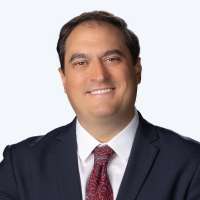
"We've seen a steady increase over the years," said Armand Glick, who oversees the Utah Insurance Department's Fraud Division. "Since 2022, we've had an 80% increase in our referrals to our division for investigation."
While staged accidents where criminals crash into unsuspecting drivers to make false claims do happen in Utah, Glick said most of the fraud is staged on paper in the form of false reports.
"They swerved to avoid a deer or an animal and struck a guard rail, or a hit-and-run in a grocery store parking lot," Glick said of two common schemes his investigators hear.
But the biggest scheme they see, he says, is "crash and buy." That's where uninsured drivers buy a policy just after a crash.
"They'll file the claim, and they'll represent that they were involved in the accident after they were insured," said Glick.
Another common scheme involves drivers trying to lower their rates by lying about where the car is located, whether it's used for ridesharing, or who regularly drives it. And one of the biggest increases they've seen lately is windshield fraud. That's where people get insurance to cover a windshield that was already broken.
"Windshields no longer cost $300," he said, "but they're closer to $1,200 to $1,500."
Whether it's windshield fraud, a "crash and buy" or a staged collision, gaming the system causes everyone's rates to go up.
"We pay $700 to $1,000 a year due to insurance fraud," said Glick.
While staged accidents aren't as common in Utah as others, it's still possible to get caught up in one. Glick says if the other driver doesn't want police called and insists on settling in cash, that is a huge red flag.
Call police and take pics of everything, which includes photos of the passengers in the car. Fraudsters like to add passengers to their claim.