'%3e%3cpath%20d='M34.1406%205.85938C30.3906%202.10547%2025.3047%200%2020%200C14.6953%200%209.60938%202.10547%205.85938%205.85938C2.10938%209.61328%200%2014.6953%200%2020C0%2025.3047%202.10547%2030.3906%205.85938%2034.1406C9.61328%2037.8906%2014.6953%2040%2020%2040C25.3047%2040%2030.3906%2037.8945%2034.1406%2034.1406C37.8906%2030.3906%2040%2025.3047%2040%2020C40%2014.6953%2037.8945%209.60938%2034.1406%205.85938ZM37.0117%2023.543H31.1602V13.5391H27.6328V19.9414C28.1211%2020.6914%2028.3711%2021.582%2028.3711%2022.5625V22.625C28.3711%2023.668%2028.1172%2024.6055%2027.6328%2025.4297V26.6094H36.082C33.4883%2032.9375%2027.2891%2037.3789%2020.0039%2037.3789C10.3711%2037.3789%202.62109%2029.6289%202.62109%2020C2.62109%2010.3711%2010.3711%202.62109%2020%202.62109C29.6289%202.62109%2037.3789%2010.3711%2037.3789%2020C37.3789%2021.1484%2037.2617%2022.2656%2037.0508%2023.3477C37.0391%2023.4141%2037.0234%2023.4766%2037.0117%2023.543Z'%20fill='white'/%3e%3cpath%20d='M22.3086%2018.5352C20.4336%2018.125%2019.9531%2017.8398%2019.9766%2017.1836V17.1406C19.9766%2016.6992%2020.3477%2016.2148%2021.4023%2016.2148C22.582%2016.2148%2023.8867%2016.6797%2025.0781%2017.4766L26.8516%2015.0195C25.4453%2013.8906%2023.707%2013.3398%2021.5547%2013.3398C18.5195%2013.3398%2016.4375%2015%2016.4063%2017.4766V17.5352C16.3633%2020.2617%2018.5859%2020.9805%2021.293%2021.6016C23.0391%2021.9766%2023.5703%2022.3164%2023.5703%2022.9609L23.5469%2022.9766C23.5469%2023.3906%2023.2578%2023.7031%2022.7852%2023.8359C22.5742%2023.9062%2022.1289%2023.9727%2021.5156%2023.9727C20.7617%2023.9727%2019.7539%2023.8633%2018.6328%2023.4844C18.0898%2023.2891%2017.4727%2023.0039%2016.8047%2022.6133L20.1406%2026.625C20.2813%2026.6602%2021.0977%2026.8516%2021.7734%2026.8516C25.0039%2026.8516%2027.0859%2025.2461%2027.1094%2022.6328V22.5703C27.1602%2020.1133%2025.2148%2019.1719%2022.3086%2018.5352Z'%20fill='white'/%3e%3cpath%20d='M5.24219%2013.5664V26.6133H8.75391V23.7578L10.2969%2021.9531L14.2031%2026.6133H18.3867L12.3555%2019.5195L17.4023%2013.5664H13.4531L8.75391%2019.0586V13.5664H5.24219Z'%20fill='white'/%3e%3c/g%3e%3cdefs%3e%3cclipPath%20id='clip0_97_2430'%3e%3crect%20width='40'%20height='40'%20fill='white'/%3e%3c/clipPath%3e%3c/defs%3e%3c/svg%3e)



- The "i love you, bro" project in Utah helps raise awareness about male suicide.
- Founded by Joe Tuia'ana, it helps address men's mental health challenges.
- Participants find vulnerability and camaraderie in the support groups offered across the state.
LEHI — A growing Utah group is using love and camaraderie to curb an ongoing battle of high suicide rates among men.
According to the Centers for Disease Control, men are four times more likely to die by suicide than women, something advocates are keenly aware of, and the "i love you, bro" project addresses in a simple way unlike anywhere in the country.
On a Wednesday night, inside a business park at 3130 W. Maple Loop Drive in Lehi, men are reminiscing about their favorite childhood TV shows.
"I really enjoyed 'The Simpsons' growing up," said one man.
"Educational ... 'Magic School Bus,' 'School House Rock'," said another.
It was an icebreaker conversation for a small circular group offering each other support to prevent suicides.
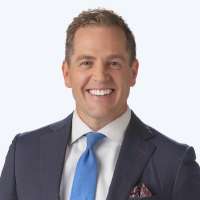
"We create space for men to be vulnerable, for men to connect," said Joe Tuia'ana, founder of the "i love you, bro" project.
It's one of 15 groups meeting each week across the state with the "i love you, bro" project, the only group in the country providing evidence-based workshops and activities for men's health and suicide prevention.
The nonprofit started in 2022 by Tuia'ana when he found a man standing on a freeway overpass, and convinced him to come down with open arms, and four simple words.
"I just told him, 'I love you, bro' over, over and over again," said Tuia'ana.
But once safe, Tuia'ana discovered there was nowhere for him to go.
"So I did some research with this bro on what resources were available, and there wasn't any," said Tuia'ana.
So Tuia'ana made his own, where men can help each other.
"And for men. That's what we need. We need purpose. We need fulfillment. We need something to drive us," said Tuia'ana.
The need is real, accentuating the lack of resources; about 80% of suicides are men.
"Men have a really hard time engaging in mental health care in general," said Dr. Eric Monson, medical director of the University of Utah's Zero Suicide Program.
Monson said there are a number of factors, including how men think they would be looked at, different cultural expectations for men vs. women, greater potential for substance abuse, and more.
"So all of this leads to possibly a lack of awareness that they possibly need support and a general resistance to seeking that kind of support when they really need it," said Monson.
The men here at "i love you, bro" say the group offers them relief.
"Coming to group has allowed me ... just seeing other men be vulnerable, has allowed me space to be vulnerable," said Eric Golub, "i love you, bro" project participant.
"It's helped me realize that I'm not the only one dealing with this at 42 years old, trying to find out who I am still," said Matt Worthington, "i love you, bro" project participant.
The organization proves most helpful when members have a mental health emergency.
"Eighty percent of them report that they'll reach out to another bro if they're in a crisis. So we know what we're doing is working," said Tuia'ana.
It's reshaping suicide prevention, one conversation, one group at a time, participants said.
If you'd like to attend one of these groups. They're free, and they meet each week at various locations from Logan to Spanish Fork, with the goal to expand even more. To see times and locations, click on this link to the "i love you, bro project."
You also have immediate help during a crisis 24/7. If you or someone you know is struggling with thoughts of suicide, just call the Suicide and Crisis Lifeline at 988.
Suicide prevention resources
If you or someone you know is struggling with thoughts of suicide, call 988 to connect with the 988 Suicide and Crisis Lifeline.
Crisis hotlines
- Huntsman Mental Health Institute Crisis Line: 801-587-3000
- SafeUT Crisis Line: 833-372-3388
- 988 Suicide and Crisis LifeLine at 988
- Trevor Project Hotline for LGBTQ teens: 1-866-488-7386
Online resources
- NAMI Utah: namiut.org
- SafeUT: safeut.org
- SafeUTFrontline: SafeUT Frontline.org
- SafeUTNG: SafeUTNG.org
- Suicide and Crisis Lifeline: 988lifeline.org
- American Foundation for Suicide Prevention, Utah chapter: afsp.org/chapter/utah
- Encircle Utah.org LGBTQ+ family and youth resource center.
- Utah Pride Center.org empowers Utah's diverse LGBTQ+ community.
- U.S. Department of Veterans Affairs Mental Health suicide prevention
- Centers for Workplace Mental Health offers suicide prevention and response for employers.
Warning signs of suicide
- Talking about wanting to die
- Looking for a way to kill oneself
- Talking about feeling hopeless or having no purpose
- Talking about feeling trapped or in unbearable pain
- Talking about being a burden to others
- Increasing the use of alcohol or drugs
- Acting anxious, agitated or recklessly
- Sleeping too little or too much
- Withdrawing or feeling isolated
- Showing rage or talking about seeking revenge
- Displaying extreme mood swings
The more of these signs a person shows, the greater the risk. Warning signs are associated with suicide but may not be what causes a suicide.
Information from the American Foundation for Suicide Prevention.
What to do if you see warning signs of suicide
- Do not leave the person alone
- Remove any firearms, alcohol, drugs or sharp objects that could be used in a suicide attempt
- Call the U.S. National Suicide Prevention Lifeline at 800-273-TALK (8255)
- Take the person to an emergency room or seek help from a medical or mental health professional
Information from the American Foundation for Suicide Prevention.