- Chelsea Beutler from Sunnyside Urban Flower Farm was chosen for the First Lady's Luncheon.
- Beutler is the only Utah florist selected, highlighting her community's talent and dedication.
- Local flowers' sustainability and quality are emphasized over imported alternatives, reducing environmental impact.
LINDON — The talents of a Utah florist will soon be on the national stage as she gets to decorate for the 113th Annual First Lady's Luncheon.
The luncheon has been an annual charity event and a tradition held every spring for over a century. According to the Congressional Club Museum and Foundation, the event "celebrates a shared commitment to bipartisan community service."
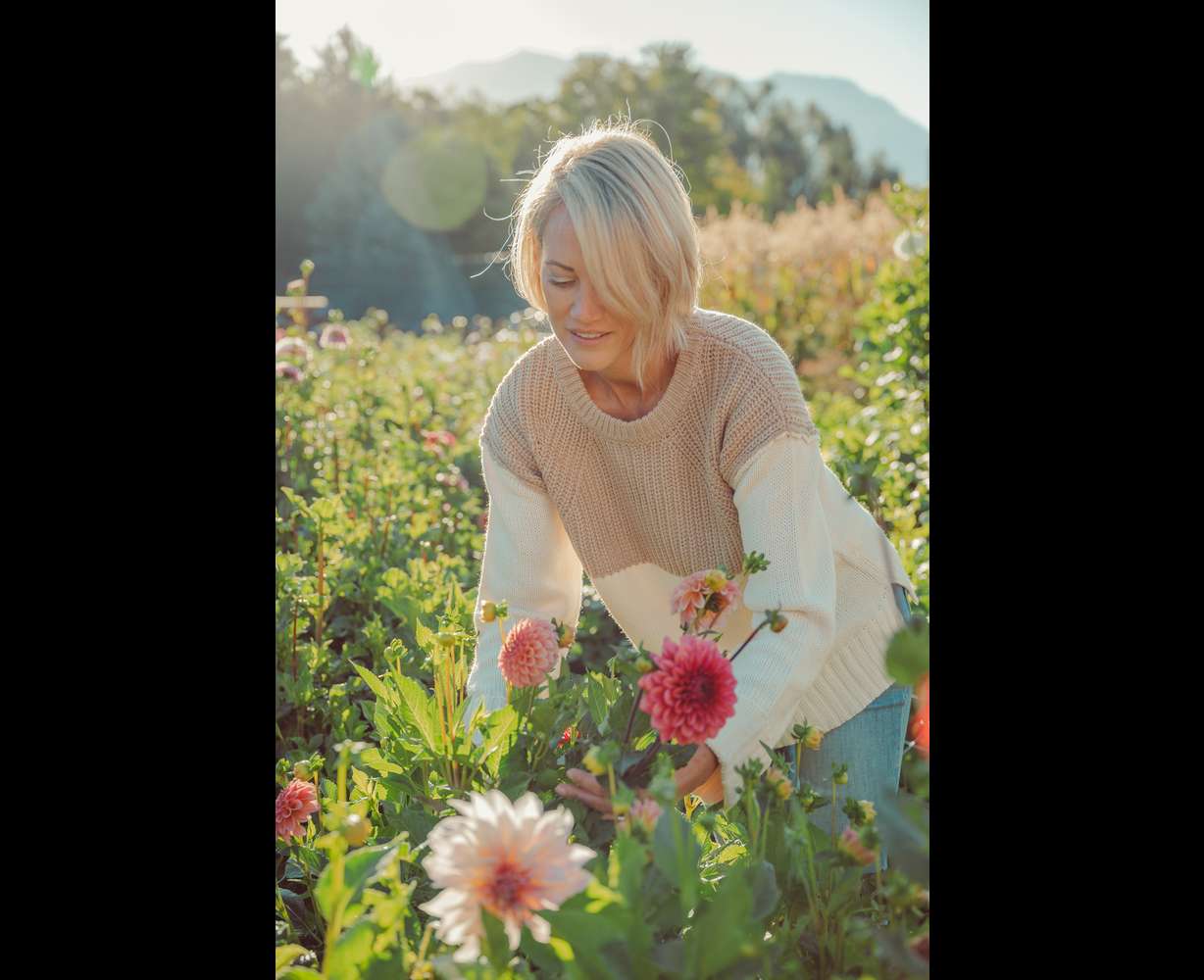
Chelsea Beutler, of Sunnyside Urban Flower Farm, decided to throw her hat in the ring to be one of more than two dozen florists chosen to decorate for the charity event. Beutler is excited to head to Washington, D.C., for the upcoming event. In all, it will take the florists three days to install all the arrangements.
Although it's going to be a big undertaking, Beutler couldn't be more excited. Last year, she did the flowers for her son's wedding and said it was "a joy to participate in the event that way."
"To produce a showcase of flowers and create an environment where it's just really beautiful and show off the artwork, it's one of those things that energizes me," she said.
Beutler actually grows all of the flowers she uses in her arrangements at her farm. Although her flowers won't be used at the event, as she is only there as a designer, she said it's "such an honor to represent our community of growers and designers on such a large stage."
Although political events can often be polarizing, the First Lady's Luncheon is meant to be a bipartisan event focused on raising money for charities and causes such as cerebral palsy, Beutler said.
"It's just such a beautiful way to leave politics behind at the door and have people come together and, you know, just be more central than divided. And I think flowers have a beautiful of way doing that," she said.
The importance of local flower farms
Beutler has always loved growing plants, and ever since she and her husband met, they have wanted to buy land and start a homestead.
That dream was unaffordable for them for a long time, but when their elderly neighbor died, and the lot was put up for sale, she and her husband decided to buy it and create a farm where they grew all sorts of vegetables and produce.
When the COVID-19 pandemic hit, however, her husband got sick for a long time and lost his sense of taste and smell for years.
"How we ate as a family really changed. We would grow this massive garden with vegetables ... and he couldn't eat any of it, so it would just fall to the ground and rot, and I felt like it was such a waste of time and money and effort. And I decided I could grow flowers, and that was something I could jump into," she said.
She immediately loved growing flowers and found they were a way to fulfill the connection people were craving after the pandemic through community "upicks" (events where people can come and pick their own flowers) and flower design workshops.
What started off as just a small patch of garden roses has become a succession of seasonal flower crops throughout the year. Her favorite flower, she said, is "the one that's blooming," but she just loves them all.
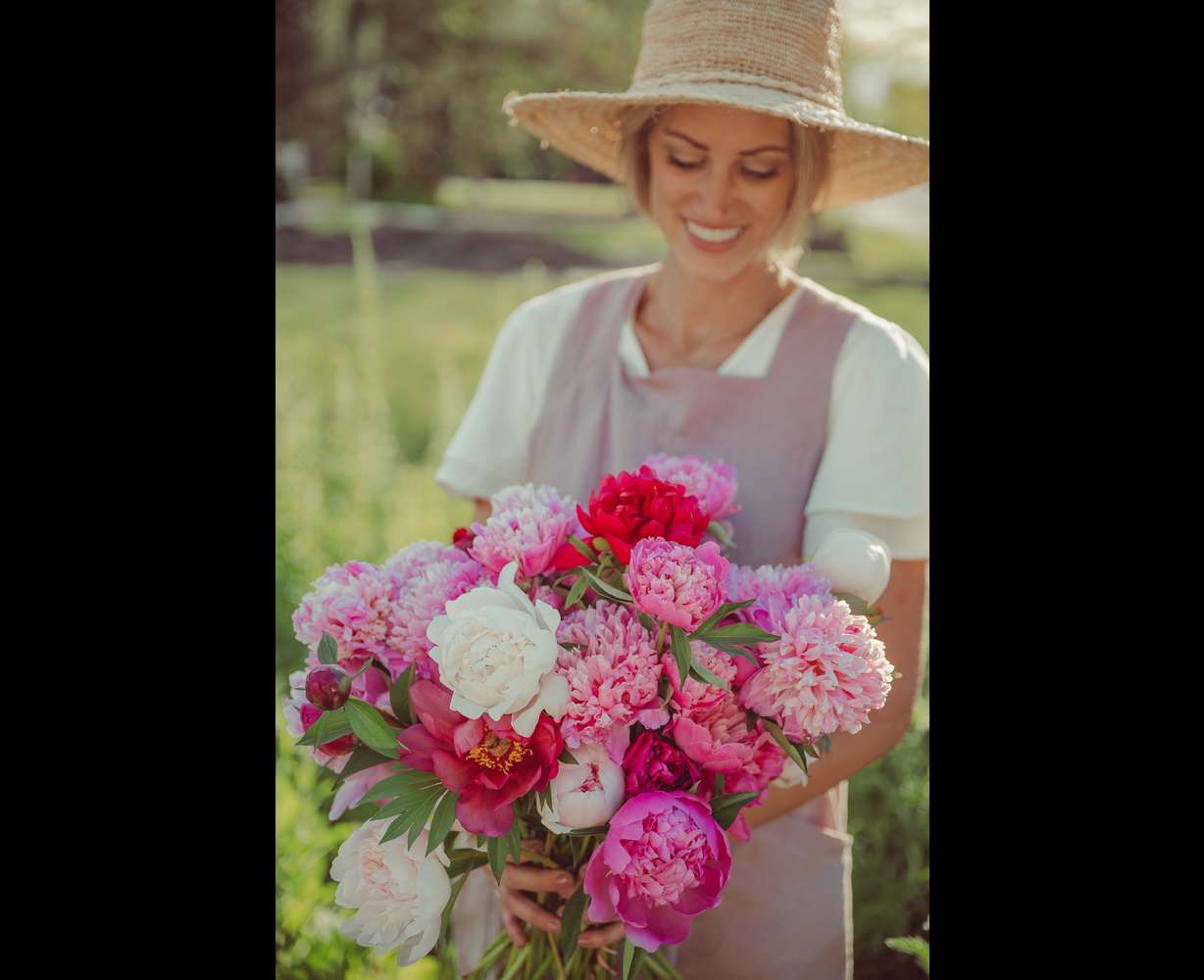
Sunnyside Urban Flower Farm joined the Utah Flower Market, a cooperative of more than a dozen local growers who sell wholesale flowers to florists. In recent years, there has been a significant increase in the number of people interested in locally grown flowers rather than imported ones.
"Local flowers just really, really shine," Beutler said. "If you do a comparison of what you're getting from these wholesale across-border flowers that are shipped in versus what you can get locally, it's pretty non-comparative with the smell, the quality, how long it lasts, the freshness, just everything."
Buying locally grown flowers is more environmentally sustainable because it reduces the carbon footprint associated with transportation. Looking at the topic from a health perspective, Beutler also pointed out that, to withstand shipping, flowers need to be treated with harsh chemicals that can have harmful effects on anyone who touches or smells them.
"If we're not aware of the impact we're making on our community, we just don't care, or we just want those cheap flowers ... but not knowing at what cost it is that we are getting those flowers for so cheap — it's costing us," she said.

Photos
Most recent Entertainment stories
Related topics
 Cassidy Wixom