- The Utah Division of Wildlife Resources is reminding residents what to do if they see a moose.
- It comes after a moose gave birth to two calves in Park City over Memorial Day weekend.
- Residents should give moose space, keep dogs leashed and report urban sightings.
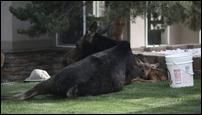
SALT LAKE CITY — A moose gave birth to two calves in a Park City area neighborhood over Memorial Day Weekend.
"You never know when you're going to come around the corner and a moose is going to be there, much less a mom and baby," resident Kim Olson told KSL. "I've seen baby moose before. They're usually about 5 or 6 months (old), never fresh born."
Neighbors blocked off the street with garbage cans because the mom started walking across the street with the babies.
Related:
Park City moose sighting highlights spring baby animal season in Utah
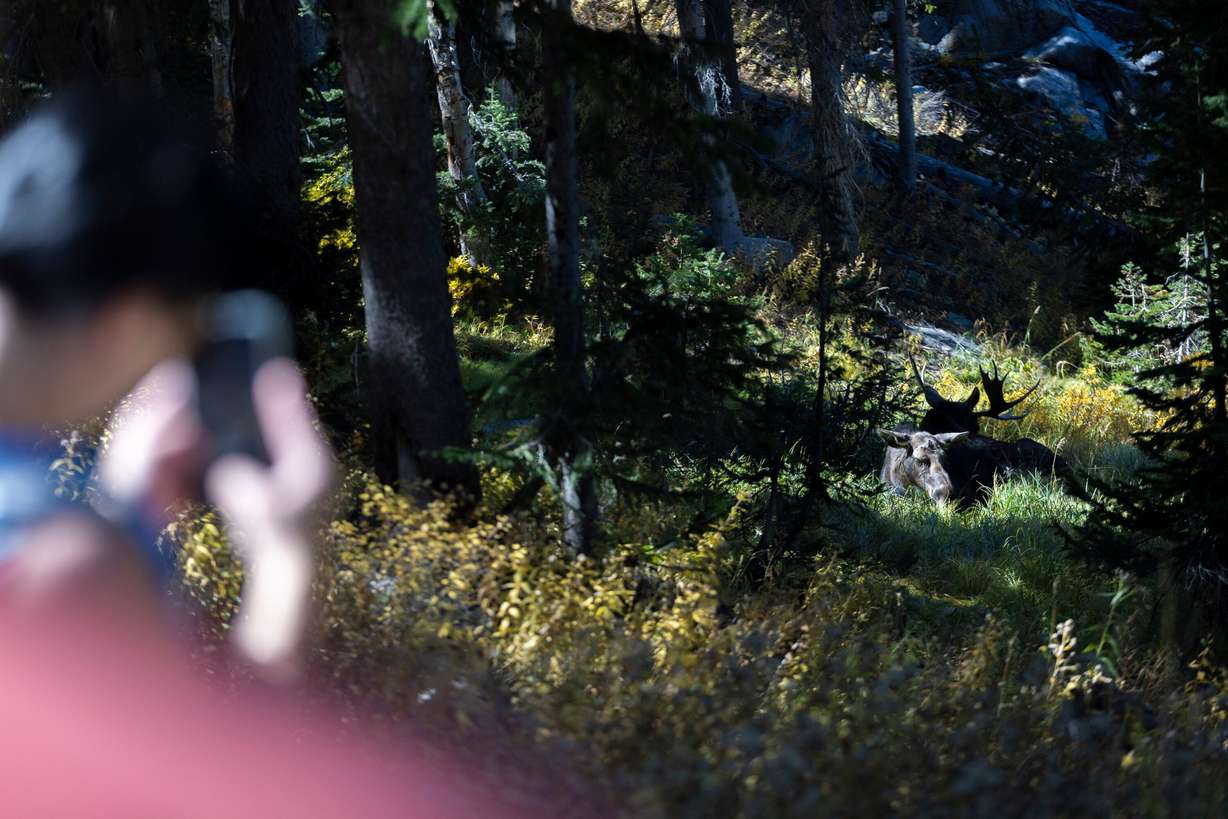
Wildlife officials are reminding Utah residents to keep their distance as baby animals begin to appear across the state.Moose sightings aren't unusual in Utah, where an estimated 2,500 to 3,000 of the animals live. Many of the best places to hike and mountain bike are also home to the state's moose population. Moose may also wander into urban areas.
The largest animals in the deer family, moose can be found along the Wasatch Front and in northern and northeastern Utah, typically in forested areas, according to the Utah Division of Wildlife Resources. Moose generally eat aquatic vegetation during spring and summer, and then switch to a diet of bark and twigs in the winter.
Adult moose in Utah can weigh between 600 to 1,000 pounds, and bulls can stand 6 feet tall at the shoulder. Due to their large size, moose can be dangerous when they feel threatened. In some areas of the U.S., wildlife agencies report that more people are injured by moose than bears each year.
In Utah, there are typically a few reports of injuries to dogs and people each year due to encounters with moose.
"In my years of working with wildlife, I have dealt with bears, rattlesnakes, cougars and moose, and the only species that I've had turn and come back at me was a moose," Rusty Robinson, the division's once-in-a-lifetime species coordinator.
"Because they are not predators, people often underestimate how aggressive moose can be. With the drought conditions this year, there is the possibility that moose may migrate into lower elevation areas if they can't find food and water in their typical habitats. People should be alert and always give moose plenty of space if they encounter them."
How moose behave
Moose can act aggressively anytime they feel cornered or threatened, but cows can be especially defensive when they have calves, typically in late May and early June. Bull moose are more territorial and aggressive during the fall breeding season, according to the division.
Moose view dogs as natural predators and feel threatened when they get too close, which can make them very aggressive toward the dog or any people nearby. That can lead them to charge, knock someone over and stomp on them or their dog.
Physical warning signs that a moose may become aggressive include:
- Lowering their head.
- Hair standing up on the neck.
- Licking their snout.
- Pinning their ears back.
Robinson advises people to give moose plenty of space and not get too close. He also recommends keeping your dog on a leash in mountain areas with moose.
"Our biologists relocate several moose in urban areas every year, and we really want people to admire these amazing animals from a distance and stay safe," he said.
What do if you encounter a moose
- Always give the moose a lot of space and watch its behavior.
- Never try to approach or feed a moose.
- Keep dogs leashed and under control at all times. It is against Utah law to allow dogs to chase or harass protected hoofed wildlife, like moose.
- Stay calm and do not run away. Talk, make your presence known and slowly back away in the direction you came.
- If a moose charges you or chases you, hide behind something solid (like a tree) or try to get inside a vehicle or building.
- If a moose knocks you down, curl into a ball, protect your head and lie still until the moose retreats.
When to report a moose on the loose
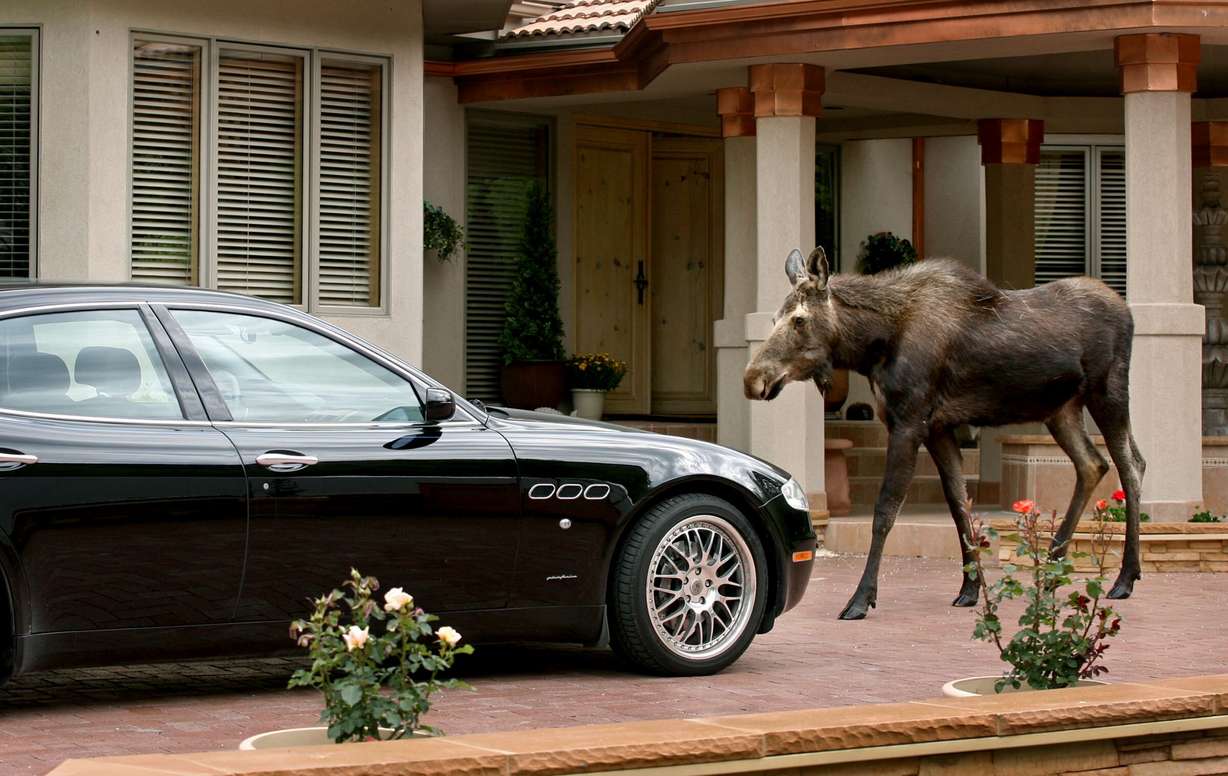
Moose are commonly found in the foothill areas since that is their natural habitat. The DWR says you should report a moose that has wandered into lower-elevation areas and is within city limits or heavily populated areas, so it can relocate the animal.
If moose aren't relocated, they can stay in an area for a long time and potentially injure someone or damage property, per DWR. Urban environments, which include fences and vehicles, can be unsafe for moose. Avoid approaching moose or attempting to "herd" them out of yards or roads.
For information, visit the Wild Aware Utah website.