
- Reps. Blake Moore and Celeste Maloy say their primary victories can be a blueprint for Republicans running elsewhere.
- They emphasized focusing on records and addressing difficult questions as their key strategies.
- Moore and Maloy also stressed the importance of engaging with voters on the campaign trail.
SALT LAKE CITY — Reps. Blake Moore and Celeste Maloy both survived their high-profile primary challenges this week, and they say their races can serve as a blueprint for other Republicans running in tight races elsewhere in the country.
Despite facing messy primary fights in each of their newly redrawn districts, both incumbent Republicans managed to handily defeat their challengers. The key to their success, they say, is focusing on their records and not shying away from difficult questions.
"Every primary in every part of the country is going to have a lot of craziness," Moore told the Deseret News in an interview. "But for the most part, I think Utah voters want to see someone be productive and communicate well. That's what we're trying to do."

Moore's primary was especially combative as he faced off against state Rep. Karianne Lisonbee, R-Syracuse, who targeted the incumbent over his past involvement with the anti-gerrymandering group Better Boundaries. She accused Moore of being responsible for recent redistricting decisions that led to Democrats gaining a House seat in Utah in the 2026 elections.
Lisonbee also implied Moore was guilty of insider trading in now-deleted social media posts, prompting the incumbent Republican to accuse his challenger of defamation.
Countering those personal attacks by pointing to one's record, Moore said, is key to a well-run campaign — and something that Republicans seeking reelection elsewhere should adopt as part of their strategy.
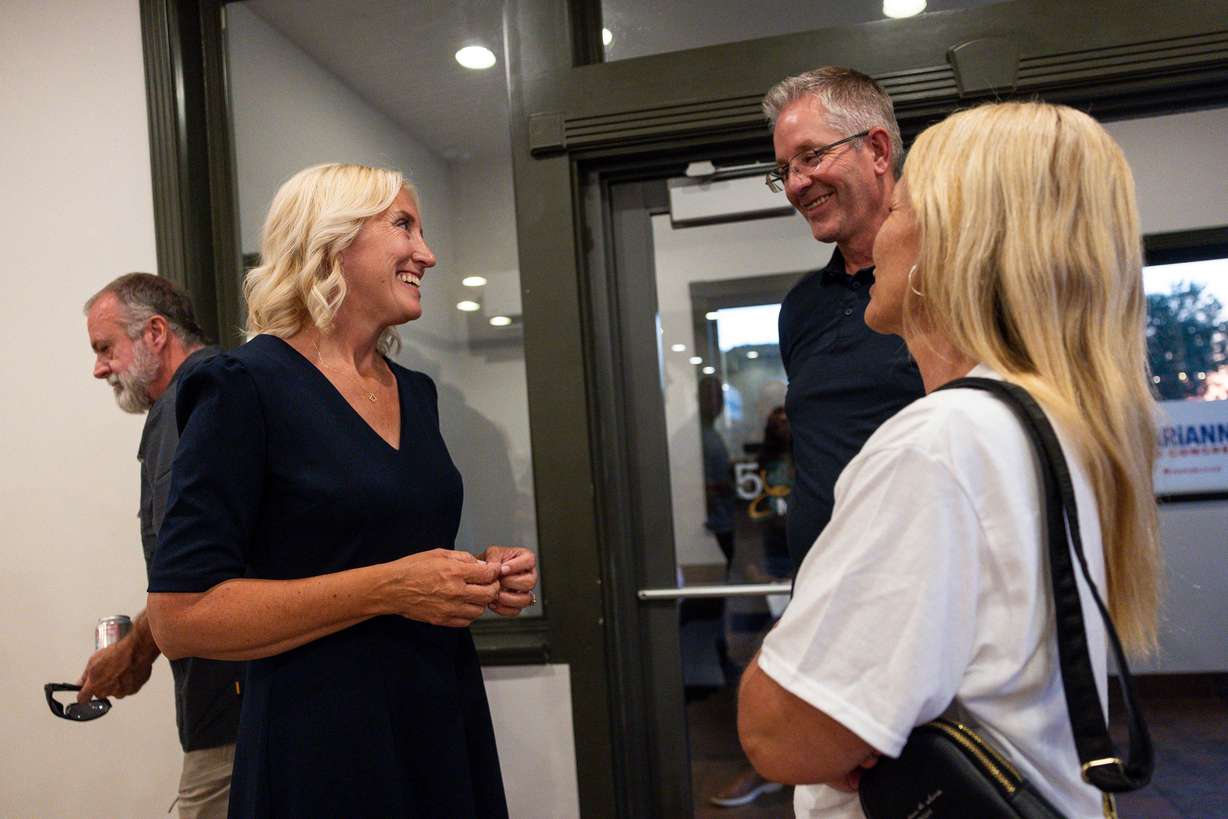
"There will be a lot of disingenuous narratives, just like there were in my primary. A lot of things that were untrue, spin, disingenuous, take your pick, that will happen in the midterms with Democrat messaging," Moore said. "And I think as much as we can do to counter that, and just remind Americans why they want us to govern."
But the main key to success, the pair told the Deseret News, was simply showing up on the campaign trail.
Maloy ran in a redrawn — much bigger — district

After Utah adopted a new congressional map, the incumbents had to adjust to new boundaries and sell themselves to voters who were not familiar with them. Maloy, for example, saw her district shift the most — and she was thrown into a primary against a challenger who benefited from higher name recognition.
Her opponent, Phil Lyman, was known across the new 3rd District because of his 2024 gubernatorial bid and prior local and state elections.
"I knew I had a name ID deficit to make up, and so I did everything I could to be on the road, meeting with people, going places," Maloy told the Deseret News in an interview. "I needed to get back out there, reintroduce myself. I went to school in Provo for three years, but I needed to get to Utah County, talk to people, make sure they knew who I was and what my background was."
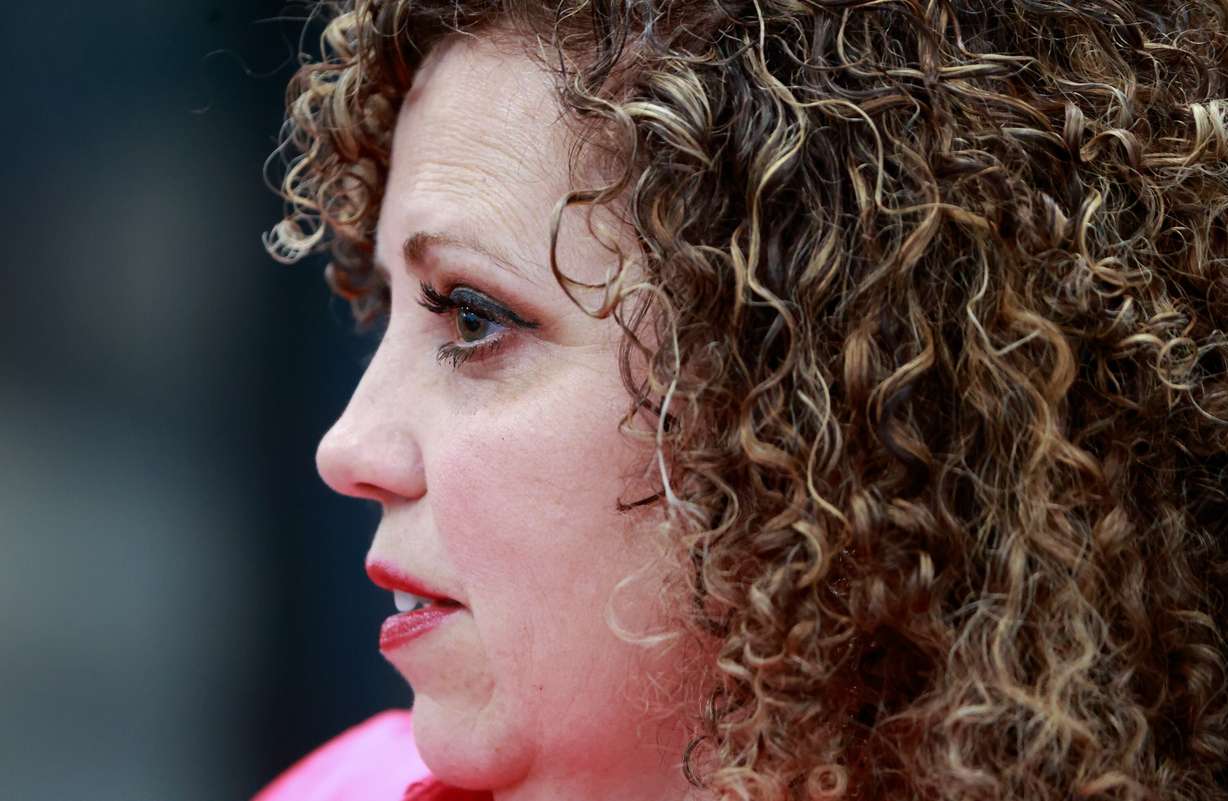
There are also unpredictable moments that will happen on the campaign trail that one can't prepare for, the lawmakers said. That happened when state leaders announced a deal to construct a massive data center in Box Elder County, throwing the delegation off guard — and immediately on the offensive.
"The data center is an aspect that I was kind of blindsided by, because I have absolutely nothing to do with the data center. I found out about it probably last among all the people that were making major decisions on this," said Moore, whose district is where the proposed center would be located. "And yet there was some rebuke to incumbents about the data center."
Despite running in a district on the opposite side of the state, Maloy said she also felt the pressure of the data center in her reelection campaign. That issue is likely to crop up in other national races as other states consider data centers of their own, and lawmakers divide on whether to issue a moratorium.

While not everyone may have the same opinion on the centers themselves, Maloy said it's important not to dodge questions.
"I think the lesson, especially with the data centers, is: Don't be afraid to answer the questions when the public feels like the government's hiding something," Maloy said.
"Naturally, they're suspicious, and people should be suspicious," she continued. "And my approach with data centers has been to just talk to people about it and explain what I know. I've been in data centers, I've talked to people who build them, and I've found that when you share information with the public, the hostility starts to go away."

Most recent Utah congressional delegation stories
Related topics
 Cami Mondeaux





