'%3e%3cpath%20d='M34.1406%205.85938C30.3906%202.10547%2025.3047%200%2020%200C14.6953%200%209.60938%202.10547%205.85938%205.85938C2.10938%209.61328%200%2014.6953%200%2020C0%2025.3047%202.10547%2030.3906%205.85938%2034.1406C9.61328%2037.8906%2014.6953%2040%2020%2040C25.3047%2040%2030.3906%2037.8945%2034.1406%2034.1406C37.8906%2030.3906%2040%2025.3047%2040%2020C40%2014.6953%2037.8945%209.60938%2034.1406%205.85938ZM37.0117%2023.543H31.1602V13.5391H27.6328V19.9414C28.1211%2020.6914%2028.3711%2021.582%2028.3711%2022.5625V22.625C28.3711%2023.668%2028.1172%2024.6055%2027.6328%2025.4297V26.6094H36.082C33.4883%2032.9375%2027.2891%2037.3789%2020.0039%2037.3789C10.3711%2037.3789%202.62109%2029.6289%202.62109%2020C2.62109%2010.3711%2010.3711%202.62109%2020%202.62109C29.6289%202.62109%2037.3789%2010.3711%2037.3789%2020C37.3789%2021.1484%2037.2617%2022.2656%2037.0508%2023.3477C37.0391%2023.4141%2037.0234%2023.4766%2037.0117%2023.543Z'%20fill='white'/%3e%3cpath%20d='M22.3086%2018.5352C20.4336%2018.125%2019.9531%2017.8398%2019.9766%2017.1836V17.1406C19.9766%2016.6992%2020.3477%2016.2148%2021.4023%2016.2148C22.582%2016.2148%2023.8867%2016.6797%2025.0781%2017.4766L26.8516%2015.0195C25.4453%2013.8906%2023.707%2013.3398%2021.5547%2013.3398C18.5195%2013.3398%2016.4375%2015%2016.4063%2017.4766V17.5352C16.3633%2020.2617%2018.5859%2020.9805%2021.293%2021.6016C23.0391%2021.9766%2023.5703%2022.3164%2023.5703%2022.9609L23.5469%2022.9766C23.5469%2023.3906%2023.2578%2023.7031%2022.7852%2023.8359C22.5742%2023.9062%2022.1289%2023.9727%2021.5156%2023.9727C20.7617%2023.9727%2019.7539%2023.8633%2018.6328%2023.4844C18.0898%2023.2891%2017.4727%2023.0039%2016.8047%2022.6133L20.1406%2026.625C20.2813%2026.6602%2021.0977%2026.8516%2021.7734%2026.8516C25.0039%2026.8516%2027.0859%2025.2461%2027.1094%2022.6328V22.5703C27.1602%2020.1133%2025.2148%2019.1719%2022.3086%2018.5352Z'%20fill='white'/%3e%3cpath%20d='M5.24219%2013.5664V26.6133H8.75391V23.7578L10.2969%2021.9531L14.2031%2026.6133H18.3867L12.3555%2019.5195L17.4023%2013.5664H13.4531L8.75391%2019.0586V13.5664H5.24219Z'%20fill='white'/%3e%3c/g%3e%3cdefs%3e%3cclipPath%20id='clip0_97_2430'%3e%3crect%20width='40'%20height='40'%20fill='white'/%3e%3c/clipPath%3e%3c/defs%3e%3c/svg%3e)


- Nell Stevenson Bright, the last surviving female pilot of World War II, celebrated her 105th birthday June 20.
- She trained pilots and flew various aircraft, including B-25 bombers, during combat.
- Bright's story highlights women's contributions during the war and the challenges they faced post-war.
SALT LAKE CITY — She was 21 years old at the start of 1943, thumbing through an issue of Flying Magazine, when an article caught her eye.
With World War II at its height, the U.S. Army, the story reported, was looking for female pilots.
The new program was designed to free up more male pilots for combat while women pilots did necessary behind-the-scenes work on the home front by testing planes, ferrying aircraft, transporting cargo and training new pilots.
The government gave the squadron an acronym, WASP, which stood for Women Airforce Service Pilots.
Nell Stevenson looked at the requirements: Female. Check. Twenty-one years of age or older. Check. Five-foot-4 or taller. Check. Pilot's license. Check. Thirty-five hours of flight time. Check. (She had 75.)
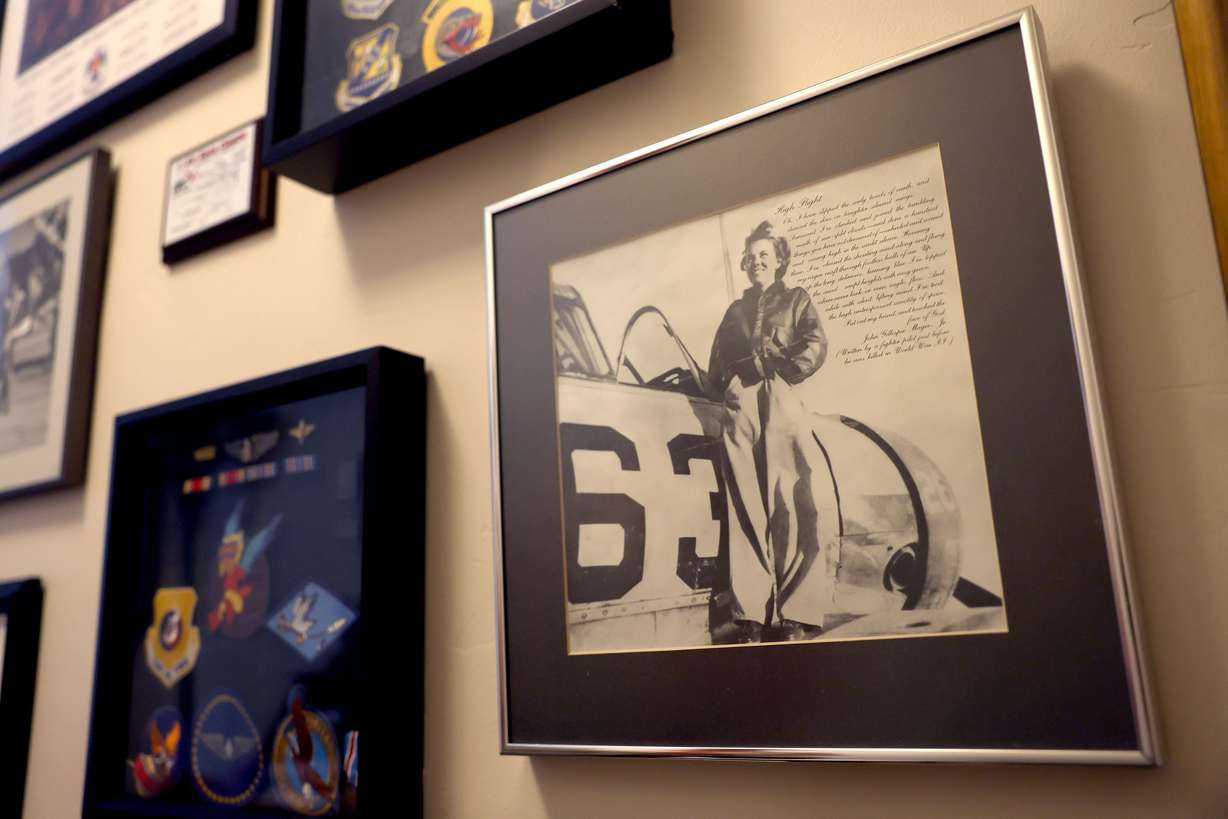
At a time in history when women weren't allowed to serve on juries in many states or even open their own checkbooks — let alone fly in combat — Nell now had her chance to help America win the war.
More than 25,000 women applied to be WASPs, 1,830 were admitted and 1,074 completed the six-month course that included schooling in navigation, physics, Morse code, meteorology, military law and mechanics.
Nell was one of the select few. In the critical years of 1943 and 1944, through D-Day and beyond, she trained on and flew almost every plane in the U.S. Army Air Corps fleet, from bombers to fighters to everything in between. She was one of the first women chosen to pilot a B-25 bomber.
All while wearing her lipstick (the Army insisted its women flyers look ladylike).
The closest she got to the front was Biggs Field in El Paso, Texas, and Mather Field in Sacramento, California. But there's no way of calculating the enormous impact her out-of-the-limelight service, and that of her fellow WASPs, had on the men they trained, the planes they tested and the outcome of the war.
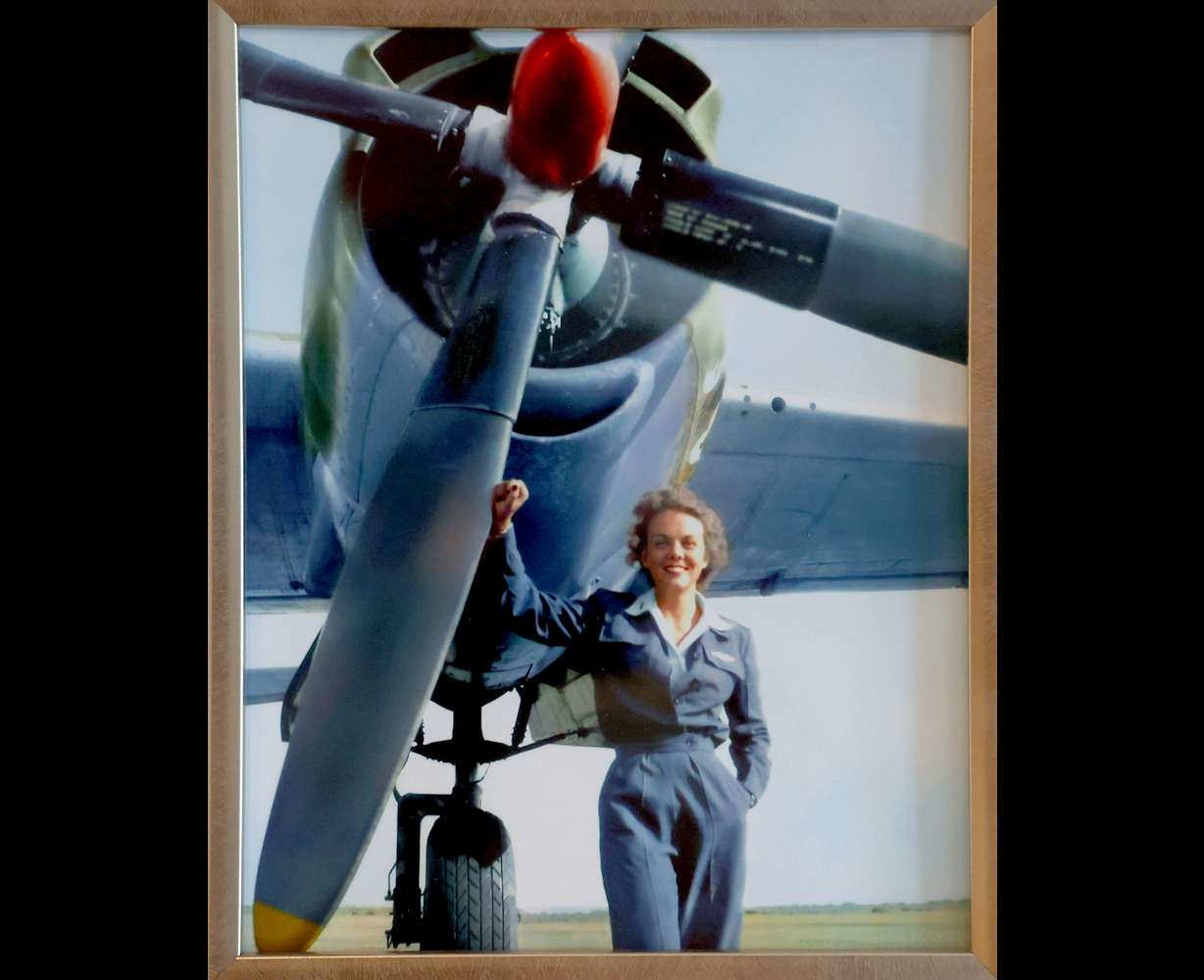
These days, Nell Stevenson Bright (that's her married name) can be found living at the Legacy Village retirement home in Sugar House (she moved to Utah from Arizona 17 years ago to be near family).
This past June 20, she celebrated her 105th birthday.
She is the last living WASP.
She certainly wears her years well. She gets around with the help of a walker. Her mind is sharp. She smiles a lot. Doesn't seem to take herself too seriously. Asked how one makes it to 105, she says, "Well, it beats me," then adds, "My dad was almost 100, mother 94 and two aunts that were 105. Just good genes, I guess."
She talks easily about her long ago days as a pilot, how in 1929 her dad paid a dollar for her to ride in a World War I biplane when she was 8 years old, how that sparked a passion for flying that caused her to partner with nine men to buy a small airplane in 1941, how that led to her earning her private pilot's license and qualifying for the WASPs when the program was introduced a year later.
She displays no bitterness over the secondary role she and her fellow WASPs were reduced to, or the fact none of them could get hired as a commercial pilot after the war ("they thought we were joking; they just laughed us out of the office"), or the fact they were initially regarded as "citizens" and weren't awarded their veterans benefits until 1977, 32 years after they served. (Nell helped make that happen, soliciting the help of Sen. Barry Goldwater).

"The VA takes very good care of me," is all she says about that now.
She credits her mother Molly for her can-do attitude.
"Mom was a great woman," she says. "If you had complaints, she would just look at you and say, 'Well, just deal with it.'"
When Nell threw her hat into the ring to be a WASP, it was her mother who said, "If she wants to do it and she thinks she's big enough, that's fine. Let her do it."
The last few years, as their numbers have faded, the WASPs, virtually unknown for decades, have captured the public's attention. Earlier this year, Nell was featured prominently in an article in The Atlantic, "The Forgotten Female Pilots of World War II," and just this month, in an article titled "The Last Living WASP," she was the cover girl for "The Ninety-Nines," the magazine of the international organization of women pilots.
Those experiences, she says, "have really been neat." Then, with a smile, she adds that she's loved doing them "so people will remember the WASPs and remember that women can do something besides cook."

Most recent Historic stories
Related topics
 Lee Benson