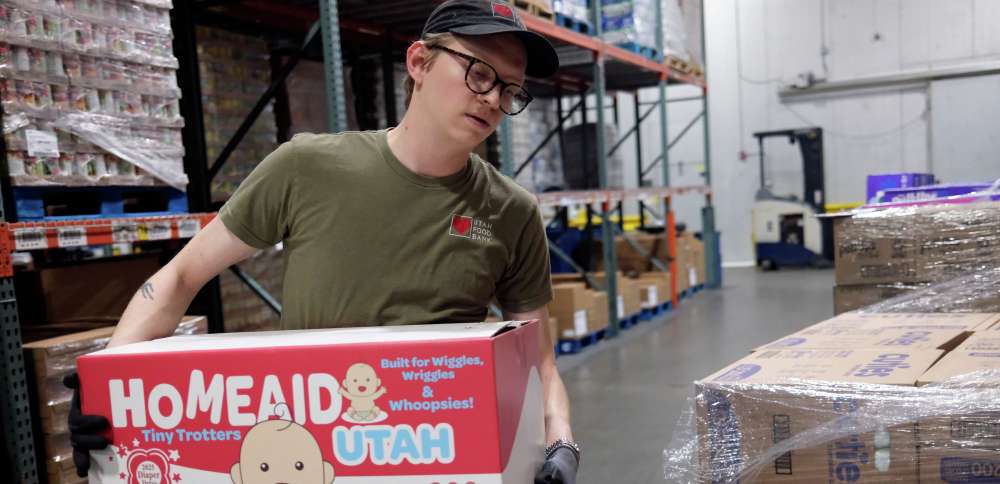
- Doulas of Utah and the Utah Food Bank are organizing a diaper drive.
- From June 15 to July 6, diapers can be donated at three locations in Salt Lake and Utah counties.
- Disposable diapers help families since childcare centers often don't accept cloth diapers.
SALT LAKE CITY — Everyone needs food to survive, and government programs like the Supplemental Nutrition Assistance Program, or SNAP, and Women, Infants and Children, or WIC, can help those in need find food security.
But what about diaper insecurity?
Doulas of Utah is partnering with the Utah Food Bank, which runs the state's diaper bank, to hold a diaper drive for the community. From June 15 to July 6, people can drop off disposable diapers at three different locations in Provo, Holladay and West Jordan to help families in need of diapers.
The addresses of the drop-off locations are:
- The Utah Birth Place, 63 N. 300 East, Provo (This location will also accept diaper deliveries from Amazon.)
- Wasatch Midwifery + Wellness Center, 6440 S. Wasatch Blvd. Suite 160, Holladay
- South Redwood Public Health Center, 7971 S. 1825 West, West Jordan
The dangers of diaper insecurity
It might be hard to imagine just how much diapers cost if you haven't had a baby — or haven't had one recently — and don't need to consider that expense.
To put it in perspective, the Utah Food Bank Diaper Program website says infants can use up to 12 diapers every day, and toddlers around eight, which comes out to about $100 a month per child in diapers. If a family is already struggling to pay for rent or food, it's difficult to come up with another $100 a month for diapers.
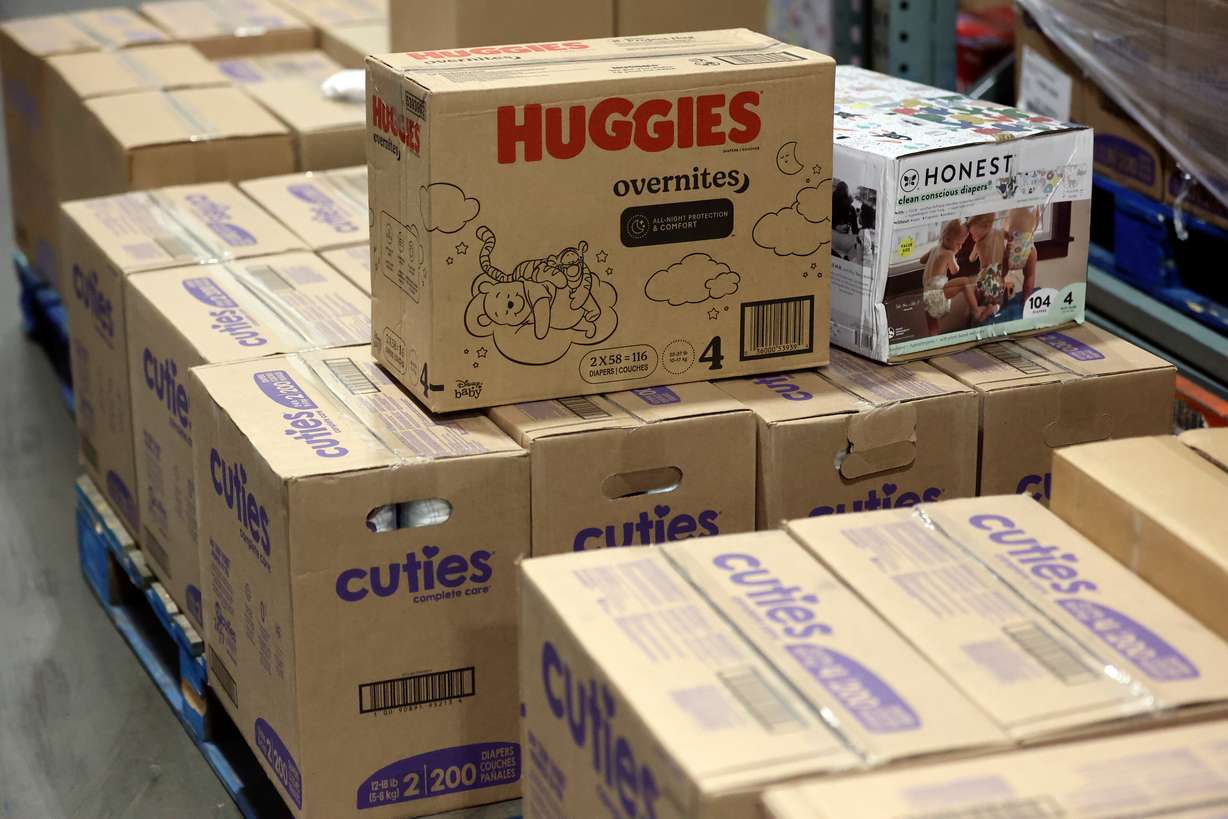
The way to get more money is to work. But for both parents to work, they must find someone to watch their child. However, to drop an infant or toddler off at childcare, they must have diapers. The Food Bank site says, "Most childcare providers require parents to supply disposable diapers." Thus begins the unforgiving cycle of needing diapers, not being able to afford diapers and yet not having a way to work more to afford diapers.
About half of households with young kids in America struggle with diaper insecurity, according to a study published in April by the National Diaper Bank Network.
In a news release about the drive, Kylee Alejandre, the founder and CEO of Doulas of Utah, said, "Every baby deserves a clean diaper, and every parent deserves support."
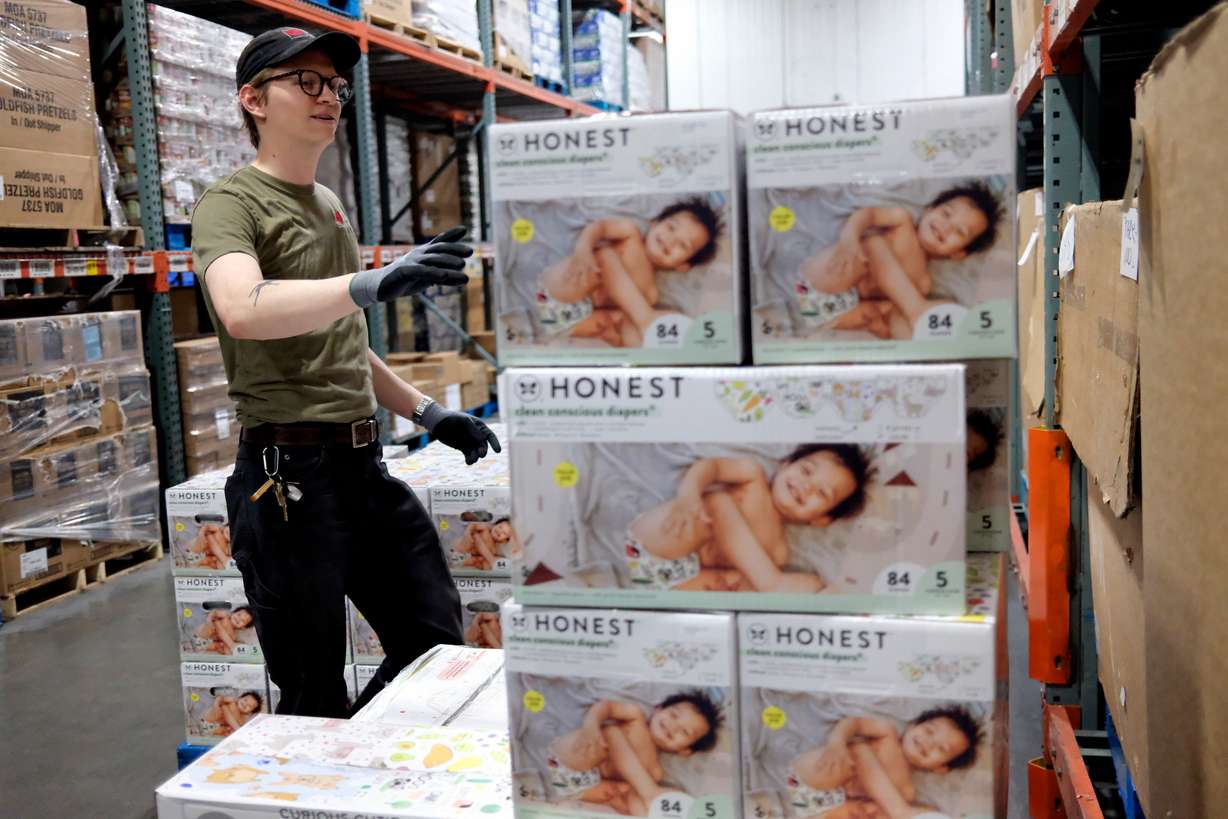
People can donate new, packaged disposable diapers of any size to the drop-off locations.
Why not other items?
The locations will not accept:
- Wipes
- Cloth diapers
- Adult diapers
- Open packages
- Homemade or assembled diaper kits
Some might wonder why cloth diapers cannot be donated, or why more low-income families don't switch to cloth diapers to save money. After all, they are reusable after you wash them, meaning you can buy fewer diapers.
The problem with cloth diapers, as Deseret News previously reported, is childcare centers typically don't allow them. "And many low-income families use laundromats, making cloth diapers impractical in terms of cost and time," per Deseret News.
By donating disposable diapers, Alejandre said the community can come together in a powerful way to "provide critical resources to families experiencing financial hardship."