'%3e%3cpath%20d='M34.1406%205.85938C30.3906%202.10547%2025.3047%200%2020%200C14.6953%200%209.60938%202.10547%205.85938%205.85938C2.10938%209.61328%200%2014.6953%200%2020C0%2025.3047%202.10547%2030.3906%205.85938%2034.1406C9.61328%2037.8906%2014.6953%2040%2020%2040C25.3047%2040%2030.3906%2037.8945%2034.1406%2034.1406C37.8906%2030.3906%2040%2025.3047%2040%2020C40%2014.6953%2037.8945%209.60938%2034.1406%205.85938ZM37.0117%2023.543H31.1602V13.5391H27.6328V19.9414C28.1211%2020.6914%2028.3711%2021.582%2028.3711%2022.5625V22.625C28.3711%2023.668%2028.1172%2024.6055%2027.6328%2025.4297V26.6094H36.082C33.4883%2032.9375%2027.2891%2037.3789%2020.0039%2037.3789C10.3711%2037.3789%202.62109%2029.6289%202.62109%2020C2.62109%2010.3711%2010.3711%202.62109%2020%202.62109C29.6289%202.62109%2037.3789%2010.3711%2037.3789%2020C37.3789%2021.1484%2037.2617%2022.2656%2037.0508%2023.3477C37.0391%2023.4141%2037.0234%2023.4766%2037.0117%2023.543Z'%20fill='white'/%3e%3cpath%20d='M22.3086%2018.5352C20.4336%2018.125%2019.9531%2017.8398%2019.9766%2017.1836V17.1406C19.9766%2016.6992%2020.3477%2016.2148%2021.4023%2016.2148C22.582%2016.2148%2023.8867%2016.6797%2025.0781%2017.4766L26.8516%2015.0195C25.4453%2013.8906%2023.707%2013.3398%2021.5547%2013.3398C18.5195%2013.3398%2016.4375%2015%2016.4063%2017.4766V17.5352C16.3633%2020.2617%2018.5859%2020.9805%2021.293%2021.6016C23.0391%2021.9766%2023.5703%2022.3164%2023.5703%2022.9609L23.5469%2022.9766C23.5469%2023.3906%2023.2578%2023.7031%2022.7852%2023.8359C22.5742%2023.9062%2022.1289%2023.9727%2021.5156%2023.9727C20.7617%2023.9727%2019.7539%2023.8633%2018.6328%2023.4844C18.0898%2023.2891%2017.4727%2023.0039%2016.8047%2022.6133L20.1406%2026.625C20.2813%2026.6602%2021.0977%2026.8516%2021.7734%2026.8516C25.0039%2026.8516%2027.0859%2025.2461%2027.1094%2022.6328V22.5703C27.1602%2020.1133%2025.2148%2019.1719%2022.3086%2018.5352Z'%20fill='white'/%3e%3cpath%20d='M5.24219%2013.5664V26.6133H8.75391V23.7578L10.2969%2021.9531L14.2031%2026.6133H18.3867L12.3555%2019.5195L17.4023%2013.5664H13.4531L8.75391%2019.0586V13.5664H5.24219Z'%20fill='white'/%3e%3c/g%3e%3cdefs%3e%3cclipPath%20id='clip0_97_2430'%3e%3crect%20width='40'%20height='40'%20fill='white'/%3e%3c/clipPath%3e%3c/defs%3e%3c/svg%3e)


Estimated read time: 5-6 minutes
- Rep. Burgess Owens promotes the Mining School Act for federal mining education support.
- The Act aims to enhance critical mineral programs at accredited colleges and universities.
- Utah positions itself as a hub for critical mineral production and research initiatives.
SALT LAKE CITY — The nation's mineral security is "inseparably linked" to the nation's security — and it's essential that the U.S. foster the next generation of American students pursuing mining careers.
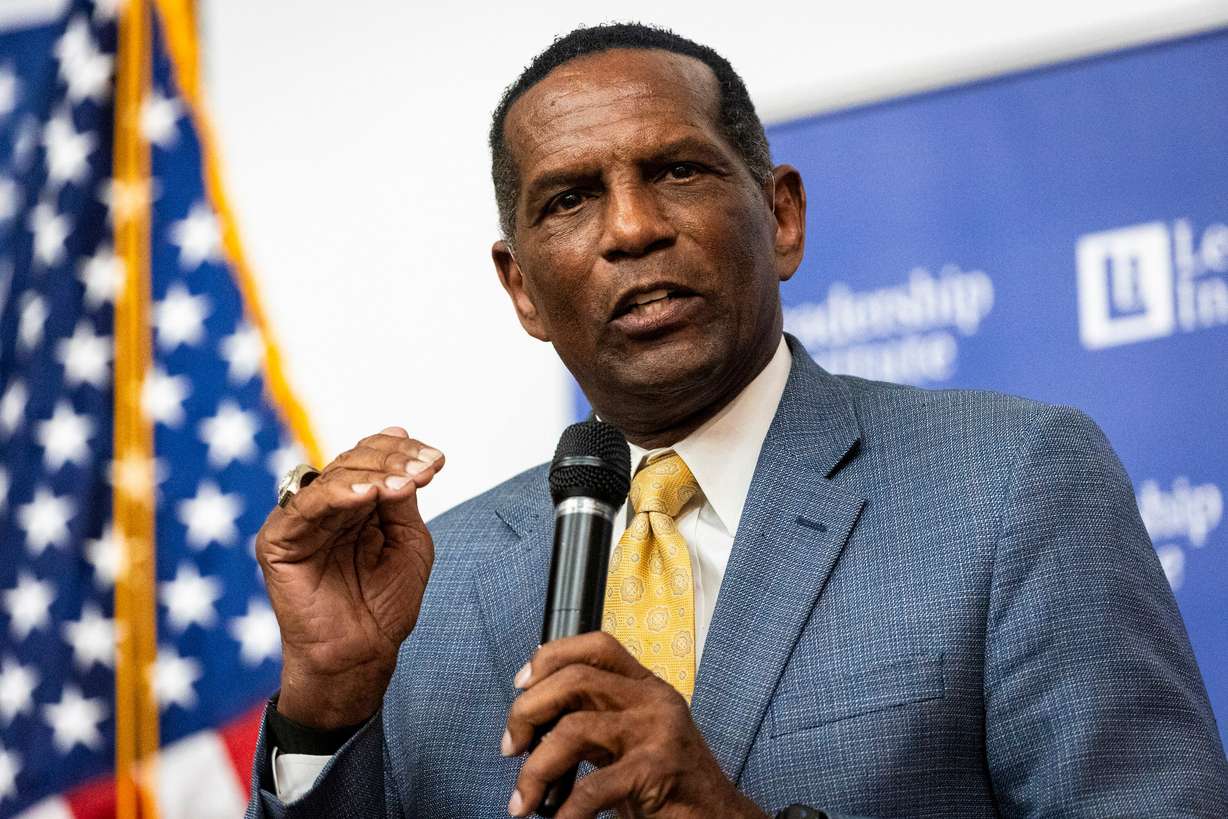
That's the urgency sounded by Utah Rep. Burgess Owens while championing his Mining School Act's inclusion into this year's National Defense Authorization Act, which narrowly passed the House on Wednesday.
Sponsored by Owens, the Mining Schools Act provides grants to mining-related programs at accredited colleges and universities.
If approved by Congress, the Energy Department would establish a competitive grant program that mining schools can use for student recruitment while enhancing programs focused on critical minerals and other related activities, including supply chain analysis and mineral economics.
"In today's world, full of heightened global tensions, we cannot continue to turn to our adversaries for the critical minerals essential to modern life and national security," said Owens in a news release.
The U.S. enjoys an abundance of mineral resources, he added.
"But without the training or workforce needed to find, mine, and refine the deposits we have, we will be left to the whims of China for our future.
"This provision will ensure that the next generation of workers will be prepared to ensure our future is safe, secure, and independent."
So why are critical minerals so critical for national security?
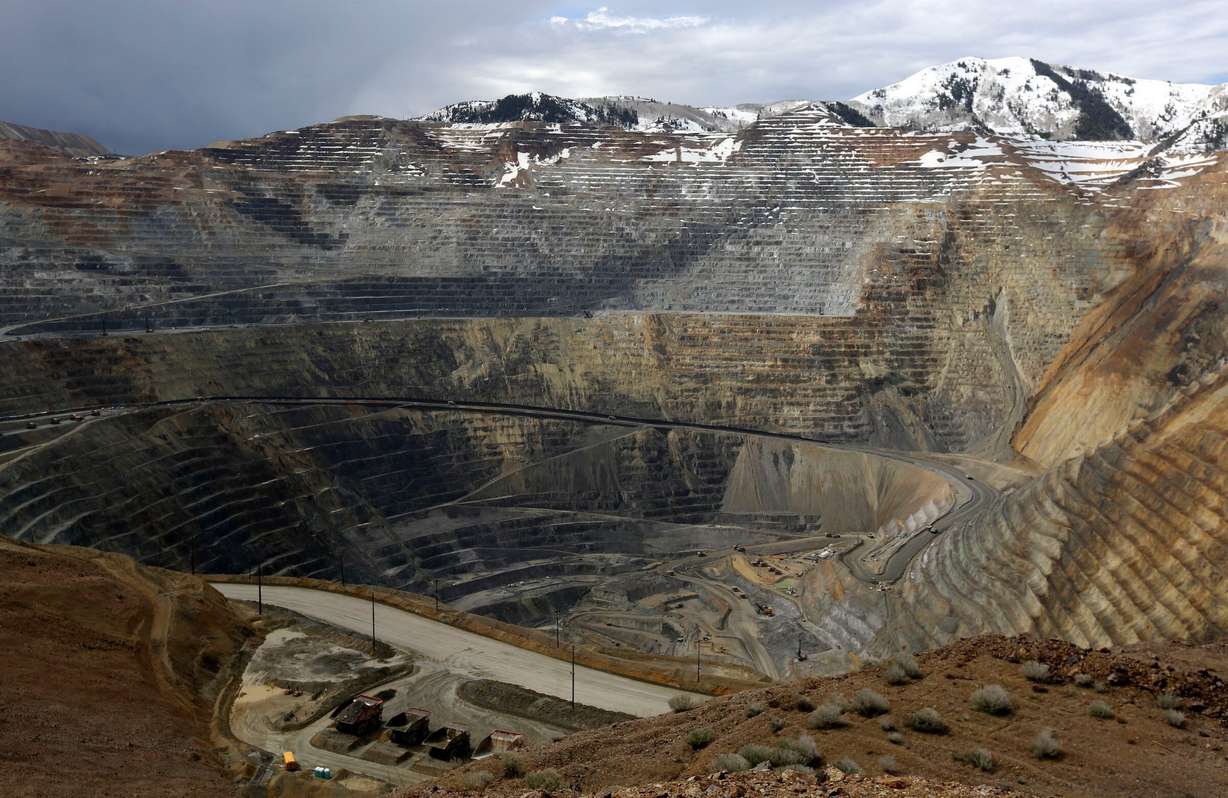
Critical minerals are vital to the United States and other developed nations because they are used in everything from fighter jets and electric vehicles to laptops and cellphones.
Last October, Beijing announced that it will require foreign companies to get approval from the Chinese government to export magnets containing even trace amounts of rare-earth materials that originated from China or were produced with Chinese technology, the Associated Press reported.
The Trump administration has said this gives China broad power over the global economy by controlling the tech supply chain.
"China is a command-and-control economy, and we and our allies will neither be commanded nor controlled," Treasury Secretary Scott Bessent said following China's magnet policy shift. "They are a state economy and we are not going to let a group of bureaucrats in Beijing try to manage the global supply chains."
During May's Operation Gigawatt Summit in Park City, Utah Sen. John Curtis recalled the 1970s and 1980s when "an outside country held us hostage for energy."
That prompted the U.S. to make a commitment to be energy-independent.
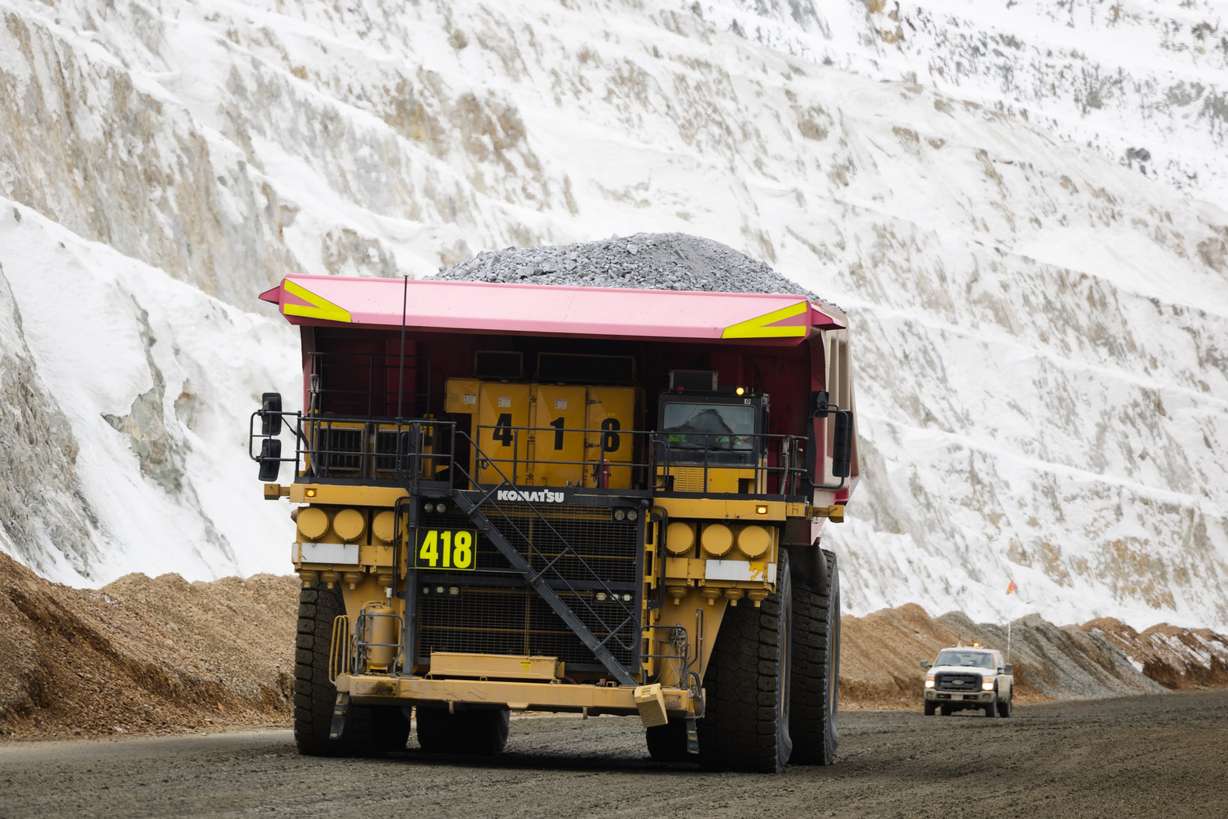
"We are in that exact same position, and we've allowed ourselves to get there, with critical minerals," Curtis said.
It's become a national security issue, he added. Adversaries are not only mining most of the world's critical minerals, they are also doing most of the mineral processing.
"Nothing gets built without minerals," asserted Utah Senate President Stuart Adams at the May energy summit.
Policymakers can issue permits and industry leaders can provide financing. But without critical minerals such as magnesium, uranium, potash, copper and lithium, little can be done.
"Critical minerals are not just another issue," said Adams. "They are the foundation underneath every major strategic objective America has. In many ways, they are the foundation for the free world.
"If the future of artificial intelligence depends on energy, the future of energy depends on critical minerals."
But the United States, Adams added, is "dangerously dependent on a single adversarial nation."
"The countries that control the next century will not just be the ones that innovate, they will be the ones that have the resources to build — to build energy, to build infrastructure, to build supply chains and secure the minerals required to sustain them.
"America needs more critical minerals."
Industry leaders salute Owens' mining education bill
Utah Mining Association President Brian Somers called incorporating the Owens-sponsored Mining Schools Act into the NDAA "a major win" for Utah.
"It formally links our world‑class mining education and training programs with the nation's defense industrial base and critical minerals supply chain," said Somers in a news release.
"By opening the door to new federal partnerships, scholarships, and hands‑on training, this program will help Utah recruit, educate, and place the next generation of miners, engineers, and technicians our state and our country need to stay secure and competitive."
Added American Critical Minerals Association Executive Director Sarah Venuto: "By investing in accredited mining schools and workforce development pathways, this provision addresses real workforce gaps while helping ensure the United States remains competitive in a rapidly evolving global minerals landscape.
"These initiatives will prepare the next generation of skilled professionals essential to our economic and strategic strength."
The Beehive State's critical minerals future
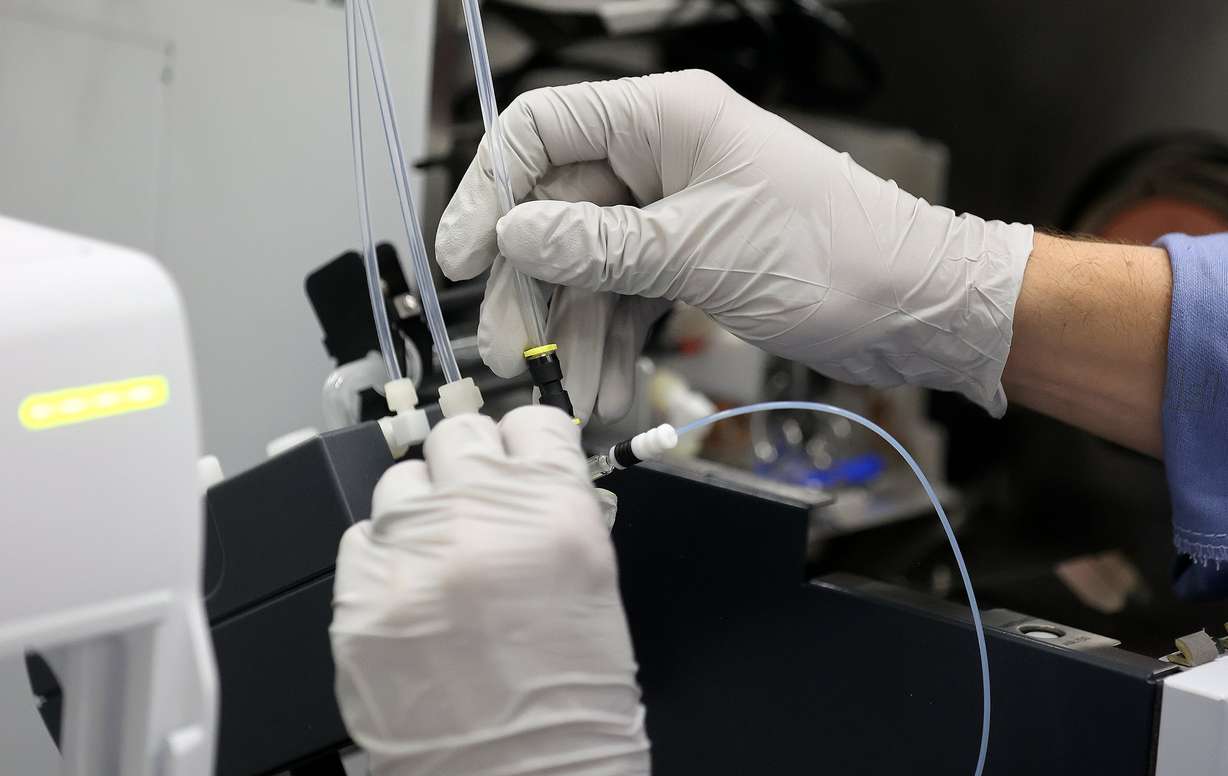
Meanwhile, Utah policymakers are positioning the Beehive State as a primary U.S. hub for critical mineral production, processing and research.
During the 2026 Utah legislative session, lawmakers passed a measure to facilitate Utah's emerging critical minerals industry.
Sponsored by Sen. Ann Millner, R-Ogden, SB 254 initiates a state strategy anchored to timely permitting — while also creating a Critical Minerals Council.
The measure also calls for development of critical mineral zones in Utah and the creation of "Minerals for Industrial, National, and Economic Security Center" — or MINES Center.
The purpose of MINES, said Millner during a March hearing, would "allow us to be able to support industry in the early innovation around this project."
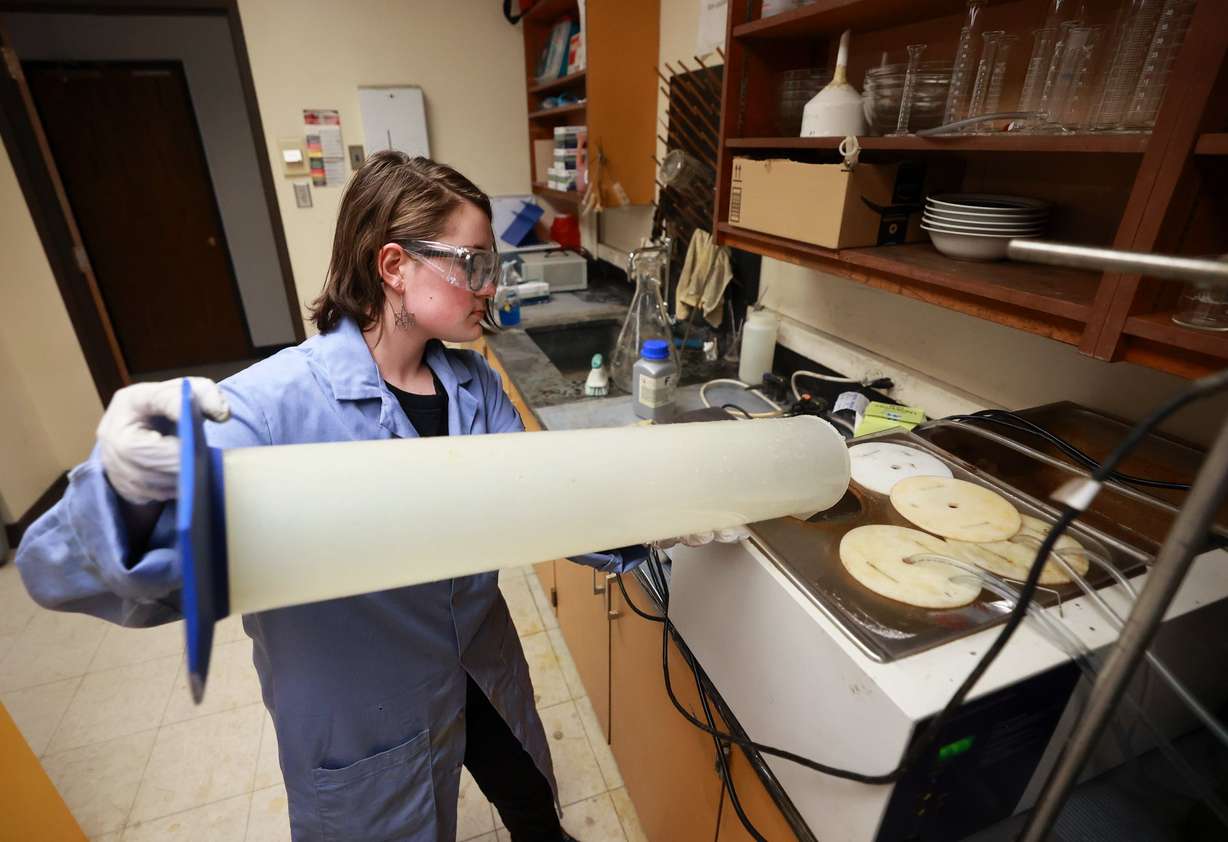
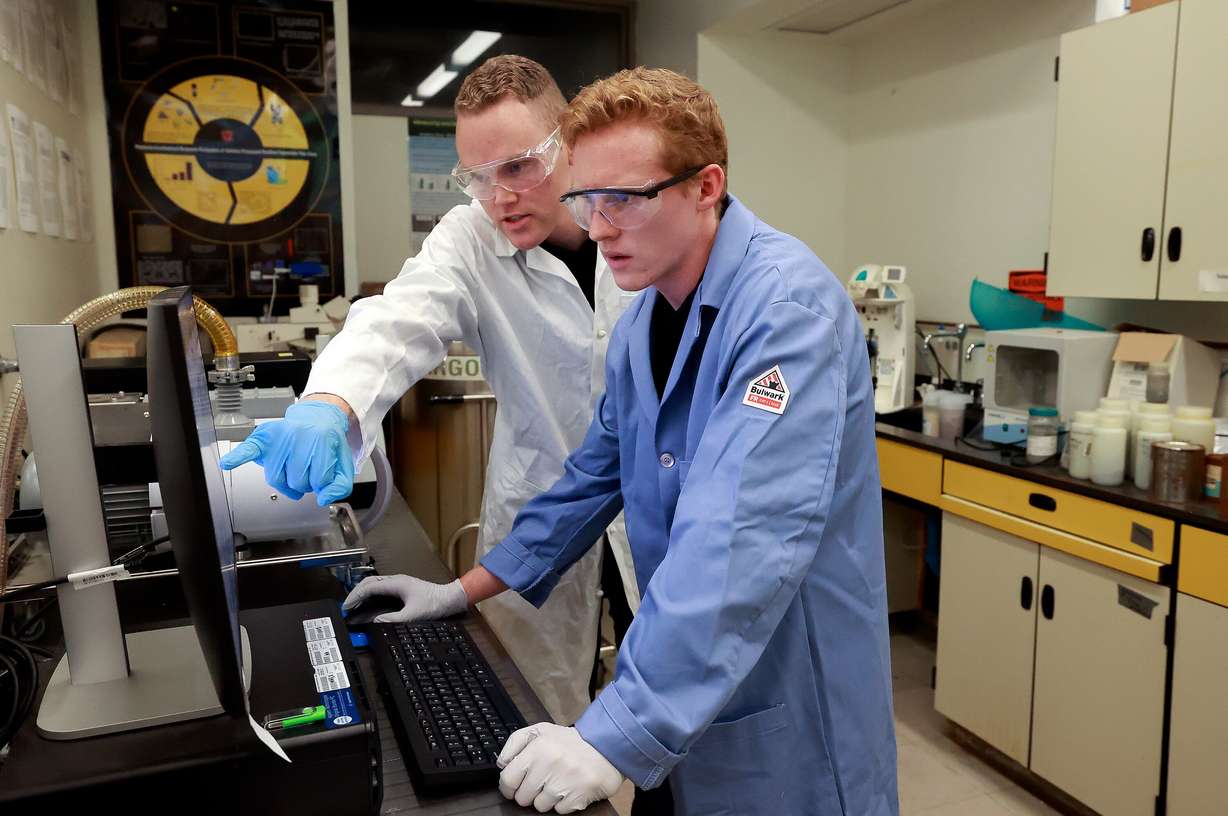
The University of Utah is expected to play a prominent, ongoing role in the state's critical minerals strategy and development. Utah's flagship university is one of only 14 accredited mining engineering programs in the nation.
And the school is on board with the project and is open to providing researchers and students, said Millner in March.
For more than a century, the University of Utah has been a cornerstone of Utah's mining industry, said University of Utah President Taylor Randall in the Owens news release.
"As a top research university offering programs in geology, mining engineering, and metallurgical engineering, that role has never been more critical," said Randall.
"We prepare the skilled workforce Utah's mines depend on — and conduct research that makes mining safer, more efficient, and a strong driver of economic growth for our state, while helping to secure the nation's critical mineral supply."

Most recent Features stories
Related topics
 Jason Swensen