
Estimated read time: 6-7 minutes
- The nationwide poll found "I, Robot," as the most accurate AI-related future movie.
- Deseret News and University of Utah conducted the survey with 875 Utah voters.
- Film professor Kenneth Collins suggests media should explore hopeful AI futures.
SALT LAKE CITY — Science fiction author Isaac Asimov's three laws of robotics are at the center of a book of short stories, "I, Robot." The book is based on a series of interviews with a fictional researcher that, in the stories, helped usher in the application of artificial intelligence capabilities.
The central conflict of the book revolves around Asimov's trio of robotics laws: A robot must not harm a human or allow one to come to harm through inaction; it must obey human orders unless they conflict with the First Law; and it must protect its own existence unless doing so conflicts with the First or Second Laws. While the guidance may have seemed fantastical when he first coined the idea in the 1940s, it is surprisingly relevant today amid the torrid advancement of AI and growing concerns about appropriate safeguards and controls on AI-driven tools and software, and on whom that responsibility ultimately falls.
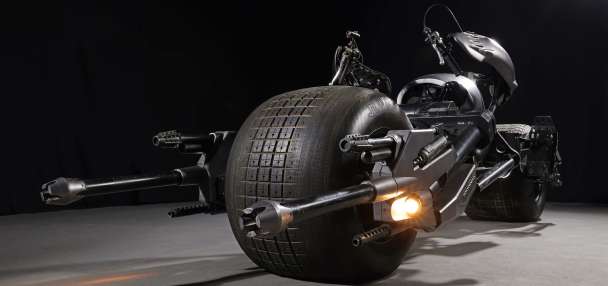
The 2004 film adaption of the book, one that retained some of the major underlying themes of Asimov's work while expanding the storyline into a dystopian thriller starring Will Smith and an army of potentially lethal humanoid robots, turned out to be a blockbuster cinematic offering that year in spite of a tepid response from most critics.
"I, Robot" also topped the list of movies seen as the most accurate portrayal of a potential, AI-impacted future, according to the results of new statewide and national surveys conducted by the Deseret News in partnership with the University of Utah's Hinckley Institute of Politics.
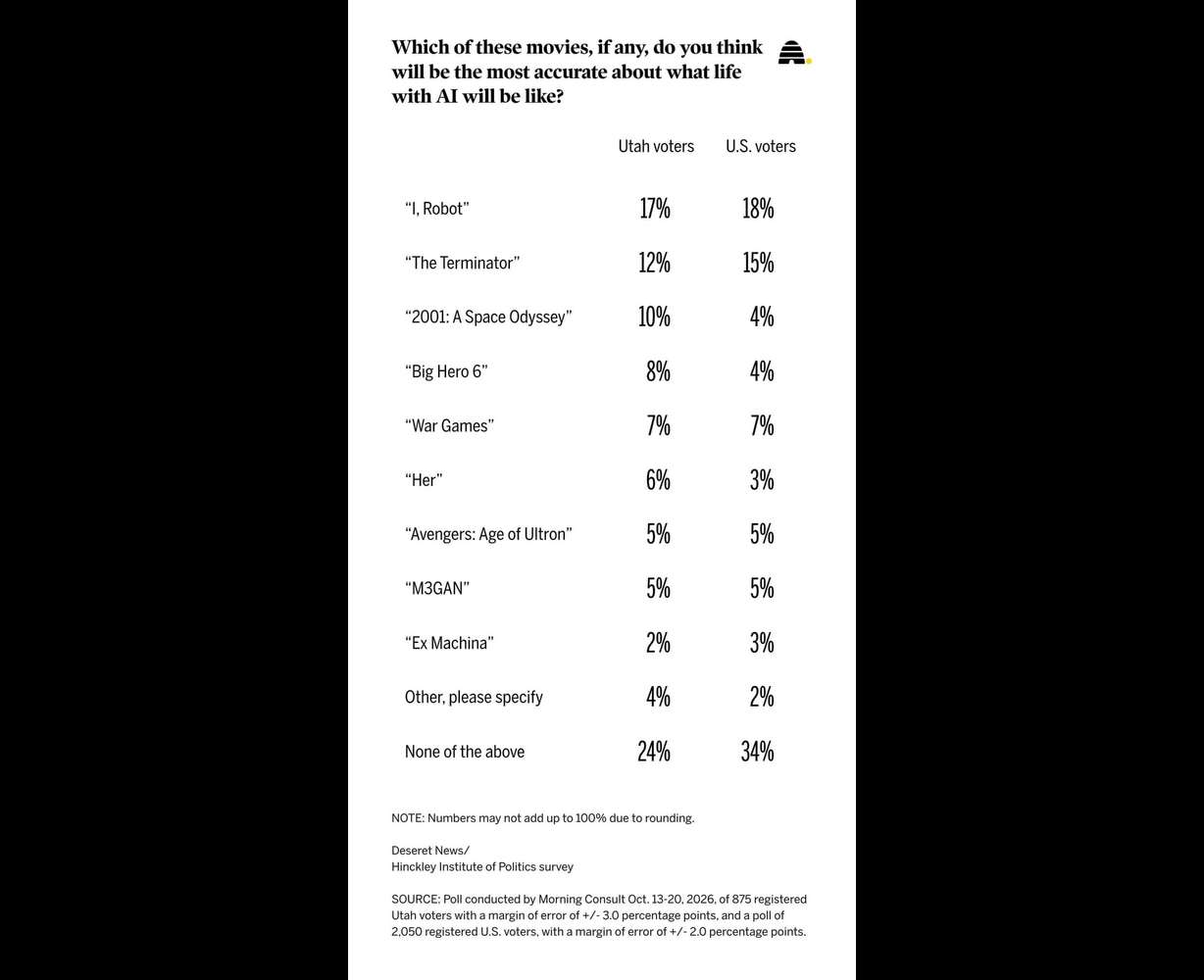
When respondents were asked to choose from a list of movies that "will be the most accurate about what life with AI will be like," "I, Robot" was the top pick for both the Utah and national poll samples, with "The Terminator" coming up in the No. 2 spot for both audiences. But while Utahns lined up behind "2001: A Space Odyssey" as their third highest choice, the rest of the country saw the 1983 Matthew Broderick hit "War Games" as their collective third best pick.
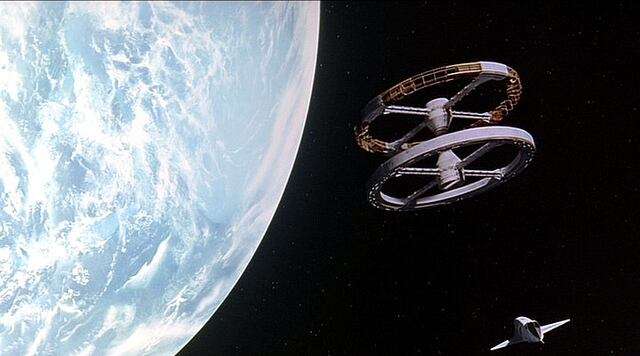
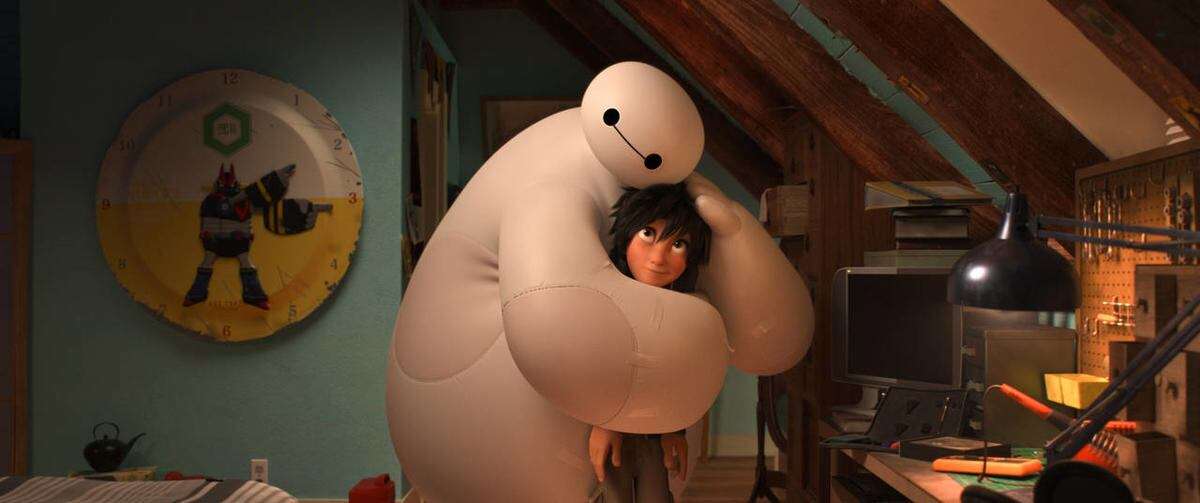
Other films on the list included "Big Hero 6"; "Her"; "Avengers: Age of Ultron"; "M3GAN"; and "Ex Machina." It's worth noting a plurality of respondents, 24% of Utahns and 34% of the nationwide sample, chose "none of the above" as their top response.
The statewide survey was conducted Oct. 13-20 among 875 registered Utah voters and has a margin of error of plus or minus 3%. The national survey was conducted Oct. 13-19 among 2,050 registered voters across the country and has a margin of error of plus or minus 2%. The polling was conducted by Morning Consult.
Are we stuck on dystopian outcomes?
University of Utah film and media arts professor Kenneth Collins reviewed the Deseret News polling data and noted the film choices presented to poll participants reflects, in large part, a trend in how popular culture tends to depict the outcomes of technological advancements.
"Our imaginations can be both inspired and limited by the media we consume," Collins wrote in an email response to the Deseret News. "Movies have the potential to frame our expectations about how our lives will unfold, and to become models for what we might expect. When it comes to a future with AI, we've been far too limited by dystopian and apocalyptic visions."
Collins notes that the movies presented in the survey limited respondents to voting on "which nightmare or depressing scenario" seemed most likely without offering options that embraced "hope, joy or abundance."
"Even the gentler choices aren't hopeful," Collins wrote. "'Her' ends with the AI leaving us behind, and the kind robot in 'Big Hero 6' spends much of the film being turned into a weapon. That isn't the fault of the survey. It reflects how popular media had most often imagined AI before its arrival."
Collins pointed to the large portion of respondents who opted for the "none of the above" response in the Deseret News survey, a signal he believes may underscore the need for film and media producers to explore broader viewpoints when it comes to depictions of our collective, AI-altered future.
"I think it is important to recognize that nearly a quarter of Utahns didn't see their future in any of these films," Collins wrote. "This is a positive signal. It means that the stories that could help us picture a hopeful, abundant future with AI largely haven't been told yet."
A brighter take on our collective future
Collins notes the XPRIZE Foundation recently awarded $2.6 million to the winner of its Future Vision contest, an effort organizers said was inspired by "Star Trek" and the 1966 show's "belief that humanity could move beyond many of the limitations of its present and toward a future shaped by greater understanding, possibility, and purpose." Contestants were required to submit a three-minute film trailer or short film depicting "an optimistic, abundant future for humanity."
"That is the spirit of this contest," reads the Future Vision mission statement. "We are looking for bold, original visions of progress — stories that expand our sense of what's possible. Not simplistic futures, not uniform ones. Ones that offer hope, ambition, and a genuine belief that life can be better than it is today."
What AI has to say about where its taking us
And while survey participants who chose films opted for the somewhat less than optimistic storyline of "I, Robot" as their top choice for depictions of a future shaped by AI, a trio of popular AI chat platforms were unanimous in their choices, given the same prompt and list of films as participants in the Deseret News polling.
OpenAI's ChatGPT, xAI's Grok and Anthropic's Claude AI all selected "Her" as the top film that illustrated how AI would impact the future. The 2013 movie is about a lonely letter writer, played by Joaquin Phoenix, in a near-future Los Angeles who falls in love with an intuitive, artificially intelligent operating system named Samantha.
Here's what each of those platforms had to say about their picks:
- ChatGPT: "My pick is 'Her' (2013), followed by 'Ex Machina' (2014). I think the most realistic future of AI will look considerably more like those two movies than 'The Terminator' or 'Avengers: Age of Ultron.' But there's an interesting distinction: Some of these movies are better at predicting the technology, while others are better at predicting how humans will behave once AI becomes deeply integrated into everyday life."
- Grok: "'Her' is the strongest match for how life with AI is most likely to feel for ordinary people over the next couple of decades. The others capture real risks or technical ideas, but most lean into catastrophe, pure science fiction or narrow edge cases."
- Claude: "Honestly, probably 'Her,' with a caveat: it's the most accurate about the texture of daily life with AI, not the plot."
Why "Her" holds up best, according to Claude:
- AI arrives as a conversational interface you talk to, not a robot with a body. That's basically where we are.
- People form real emotional attachments to AI, and society mostly shrugs or adapts rather than panicking.
- The AI is helpful in mundane ways (managing email, sorting your files) long before anything dramatic happens.
- The disruption is personal and social rather than apocalyptic: loneliness, attachment, what counts as a relationship.