
Estimated read time: 2-3 minutes
- Lasca Bennett ensures her children with allergies safely enjoy Halloween treats.
- Pediatric dietitian Linda Davila-Herrera advises checking candy ingredients and planning ahead.
- The Teal Pumpkin Project promotes nonfood treats for children with food allergies.
SYRACUSE — Lasca Bennett's kids are getting excited for Halloween.
But before anyone digs into the Halloween goodies, they need to take an important step.
"Let my mom check my candy," seven-year-old Easton said.
Five of Bennett's eight children have food allergies, which makes Halloween a holiday that takes some extra planning.
"They don't eat anything until they get home," Bennett said.
Together, they sort through the treats and check ingredients. "Even those that don't have allergies, we're still looking out for the other ones that do have allergies," Bennett said.
Braellyn, 13, understands the importance of being careful. She said a reaction to red dye sent her to Intermountain Primary Children's Hospital.
Now, she helps her younger siblings navigate their own food restrictions while trick-or-treating.
"When they go up to the door, I can be like, you can't have that one, but you can have this one," she said. "Help them know because sometimes they don't know what's in it."
Planning ahead
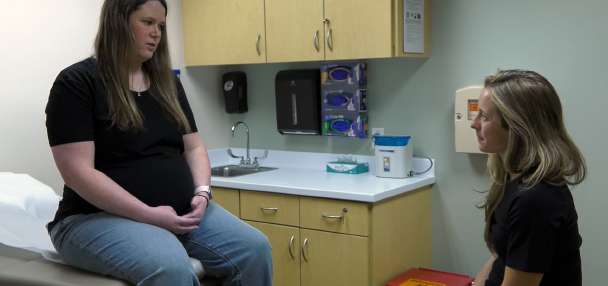
Linda Davila-Herrera, a pediatric registered dietitian with Primary Children's Hospital, said preparation can go a long way in helping children with food allergies participate in Halloween celebrations.
"We want to make sure that they're safe, but also having a really good time," she said.
Davila-Herrera recommends checking the ingredient label on every treat, including familiar brands. Different varieties of the same candy may contain different ingredients.
Davila-Herrera also recommends teaching children a simple routine: "Stop. Look. Ask. Go."
"You want to stop before you eat. Look at the ingredients list. Ask an adult," she said. "And then if the adult says go, you're more than welcome to go ahead and enjoy that treat."
She also encourages families to talk with teachers, neighbors and party hosts ahead of time about their child's allergies. Parents can offer to bring a treat their child can eat.
"Just the more people that know, the better, so that we can avoid these exposures and some scary situations," she said.
For Bennett, the extra preparation helps her children participate in the holiday while staying aware of their restrictions.
"Just let them have fun," she said. "Be aware of what they can and can't have."
The Teal Pumpkin Project
Families handing out treats can offer nonfood options, such as stickers, glow sticks or small toys, in a separate bowl from candy.
The Teal Pumpkin Project, a nationwide campaign by Food Allergy Research and Education, encourages households to display a teal pumpkin or printable sign to let trick-or-treaters know those options are available.
Families can find participating homes or add their own through the Teal Pumpkin Project website.