'%3e%3cpath%20d='M34.1406%205.85938C30.3906%202.10547%2025.3047%200%2020%200C14.6953%200%209.60938%202.10547%205.85938%205.85938C2.10938%209.61328%200%2014.6953%200%2020C0%2025.3047%202.10547%2030.3906%205.85938%2034.1406C9.61328%2037.8906%2014.6953%2040%2020%2040C25.3047%2040%2030.3906%2037.8945%2034.1406%2034.1406C37.8906%2030.3906%2040%2025.3047%2040%2020C40%2014.6953%2037.8945%209.60938%2034.1406%205.85938ZM37.0117%2023.543H31.1602V13.5391H27.6328V19.9414C28.1211%2020.6914%2028.3711%2021.582%2028.3711%2022.5625V22.625C28.3711%2023.668%2028.1172%2024.6055%2027.6328%2025.4297V26.6094H36.082C33.4883%2032.9375%2027.2891%2037.3789%2020.0039%2037.3789C10.3711%2037.3789%202.62109%2029.6289%202.62109%2020C2.62109%2010.3711%2010.3711%202.62109%2020%202.62109C29.6289%202.62109%2037.3789%2010.3711%2037.3789%2020C37.3789%2021.1484%2037.2617%2022.2656%2037.0508%2023.3477C37.0391%2023.4141%2037.0234%2023.4766%2037.0117%2023.543Z'%20fill='white'/%3e%3cpath%20d='M22.3086%2018.5352C20.4336%2018.125%2019.9531%2017.8398%2019.9766%2017.1836V17.1406C19.9766%2016.6992%2020.3477%2016.2148%2021.4023%2016.2148C22.582%2016.2148%2023.8867%2016.6797%2025.0781%2017.4766L26.8516%2015.0195C25.4453%2013.8906%2023.707%2013.3398%2021.5547%2013.3398C18.5195%2013.3398%2016.4375%2015%2016.4063%2017.4766V17.5352C16.3633%2020.2617%2018.5859%2020.9805%2021.293%2021.6016C23.0391%2021.9766%2023.5703%2022.3164%2023.5703%2022.9609L23.5469%2022.9766C23.5469%2023.3906%2023.2578%2023.7031%2022.7852%2023.8359C22.5742%2023.9062%2022.1289%2023.9727%2021.5156%2023.9727C20.7617%2023.9727%2019.7539%2023.8633%2018.6328%2023.4844C18.0898%2023.2891%2017.4727%2023.0039%2016.8047%2022.6133L20.1406%2026.625C20.2813%2026.6602%2021.0977%2026.8516%2021.7734%2026.8516C25.0039%2026.8516%2027.0859%2025.2461%2027.1094%2022.6328V22.5703C27.1602%2020.1133%2025.2148%2019.1719%2022.3086%2018.5352Z'%20fill='white'/%3e%3cpath%20d='M5.24219%2013.5664V26.6133H8.75391V23.7578L10.2969%2021.9531L14.2031%2026.6133H18.3867L12.3555%2019.5195L17.4023%2013.5664H13.4531L8.75391%2019.0586V13.5664H5.24219Z'%20fill='white'/%3e%3c/g%3e%3cdefs%3e%3cclipPath%20id='clip0_97_2430'%3e%3crect%20width='40'%20height='40'%20fill='white'/%3e%3c/clipPath%3e%3c/defs%3e%3c/svg%3e)




Estimated read time: 5-6 minutes
DUBROVNIK, Croatia — I recently had the opportunity to visit Slovenia and Croatia with my brother. We have deep family ties in the region, so it was incredible to experience destinations we'd heard so much about from relatives.
As we canoed down a crystal-clear river with some Croatian friends, I remarked that it was one of the most beautiful places I'd ever seen. One of our friends, Marko, shrugged his shoulders and said, "This is nice, but it's nothing compared to Dubrovnik. The Dalmatian Coast makes this place look like garbage."
Earlier this year, when my wife expressed interest in going on a trip to Dubrovnik and other cities along the Dalmatian Coast, I remembered Marko's hearty endorsement.
One of the most popular ways to see this part of the world is to rent a car and navigate the mountain passes and seaside highways yourself. I've talked to multiple people who've done it this way, and they all had awesome experiences.
Another great approach is sailing on a ship that's small enough to navigate some of the ports that typical cruise ships can't access directly, getting you right up close to the UNESCO World Heritage Sites along the coast. We ultimately chose to go with Windstar Cruises because their ship was the ideal size to visit all the ports we were interested in.
Sailing was the right call for us, as we hardly saw any other passenger ships, and it was unbelievably tranquil as we made our way along the coast. Our ship would raise its sails on breezy days, and we'd glide along on the water so peacefully that we could imagine these ancient ports bustling with Venetian settlers, Greek traders and Roman soldiers. Needless to say, it was a completely different vibe from that Carnival cruise we took the kids on a few years ago.
Introduction to the Dalmatian Coast
The Dalmatian Coast is a historic section of coastal Croatia and Montenegro on the Adriatic Sea. The turquoise water is beautifully contrasted with the rugged Dinaric Alps that run along the coast and provide a dramatic backdrop. In some places, the towering mountains drop directly into the sea, creating fjord-like wonders.
Long inhabited by Illyrian peoples, the Dalmatian Coast experienced cultural changes as Greek traders began to establish a foothold in the 4th century BCE. Queen Teuta began her rule in 231 BCE and built power through state-sponsored piracy. The Romans didn't take kindly to the plundering and sent two envoys to demand better protection. The queen refused to help, and even had one of those envoys, a fellow named Lucius Coruncanius, assassinated on his return voyage.
Big mistake. Rome declared war and dispatched a fleet of 200 ships and an army of 22,000 soldiers. The "pirate queen" was swiftly defeated.
After the Roman Empire crumbled, the Dalmatian Coast was ruled by powers such as the Republic of Venice, the Austrian Empire, and, more recently, Yugoslavia. The result is a vivid cultural collage that's reflected in the architecture, cuisine and customs.
Six highlights to explore
Trogir
With a port accessible only to smaller vessels, this medieval island town is one of the best-preserved gems on the Dalmatian Coast. It has a more relaxed vibe than Dubrovnik or nearby Split, making it an ideal spot to enjoy a leisurely stroll along the cobbled streets. Grab some local cuisine and eat it on the waterfront. Gorgeous architecture is on display, including St. Lawrence Cathedral and the Kamerlengo Fortress.
Zadar
Locals say the view from the city offers the world's most beautiful sunsets. While that claim's debatable, Zadar is Croatia's oldest continually inhabited city. Walking around the city is a joy, with all kinds of architectural and cultural quirks that have emerged over the past 3,000 years.
Be sure to check out the Sea Organ, which is an installation of pipes that produces beautiful tones as the water rises and falls.
Korčula
This lush island is known for its dense pine forests, Venetian architecture and fishbone-patterned cobblestone streets. Don't miss St. Mark's Cathedral and the Zakerjan Tower. The Dalmatian Coast has dozens of incredible islands, but if you're only visiting one, Korčula is a great place to start.
Dubrovnik
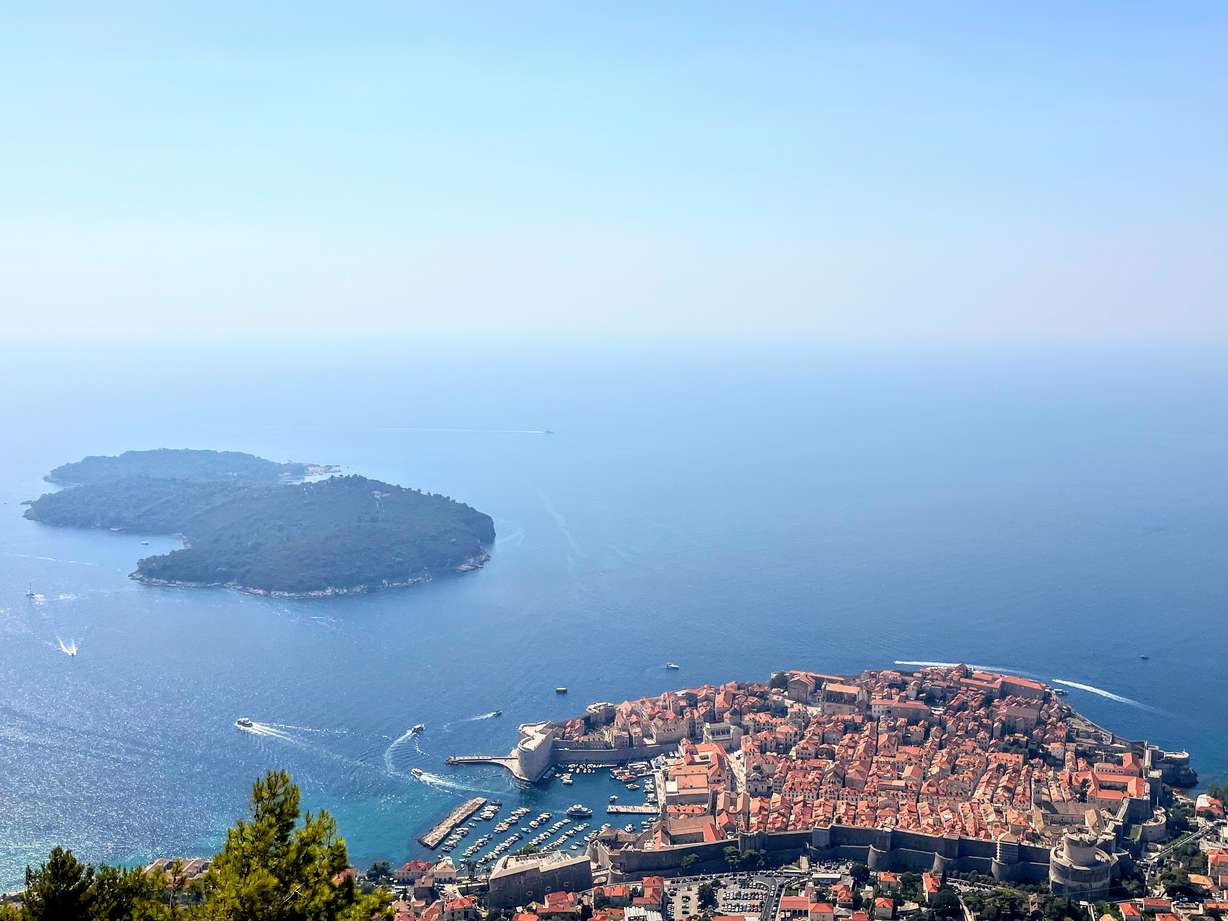
Considered the "Pearl of the Adriatic," this iconic city was a highlight of our trip. The car-free old town, with its array of polished limestone streets, is surrounded by formidable walls. This UNESCO World Heritage Site was damaged by an earthquake in the 1600s and took a pounding during the Croatian War of Independence. But it has been lovingly restored, and its palaces and churches are a sight to behold.
You can walk the city's walls for a unique view of Dubrovnik, but the best perspective comes from the cable car to Mount Srđ above the city.
Split
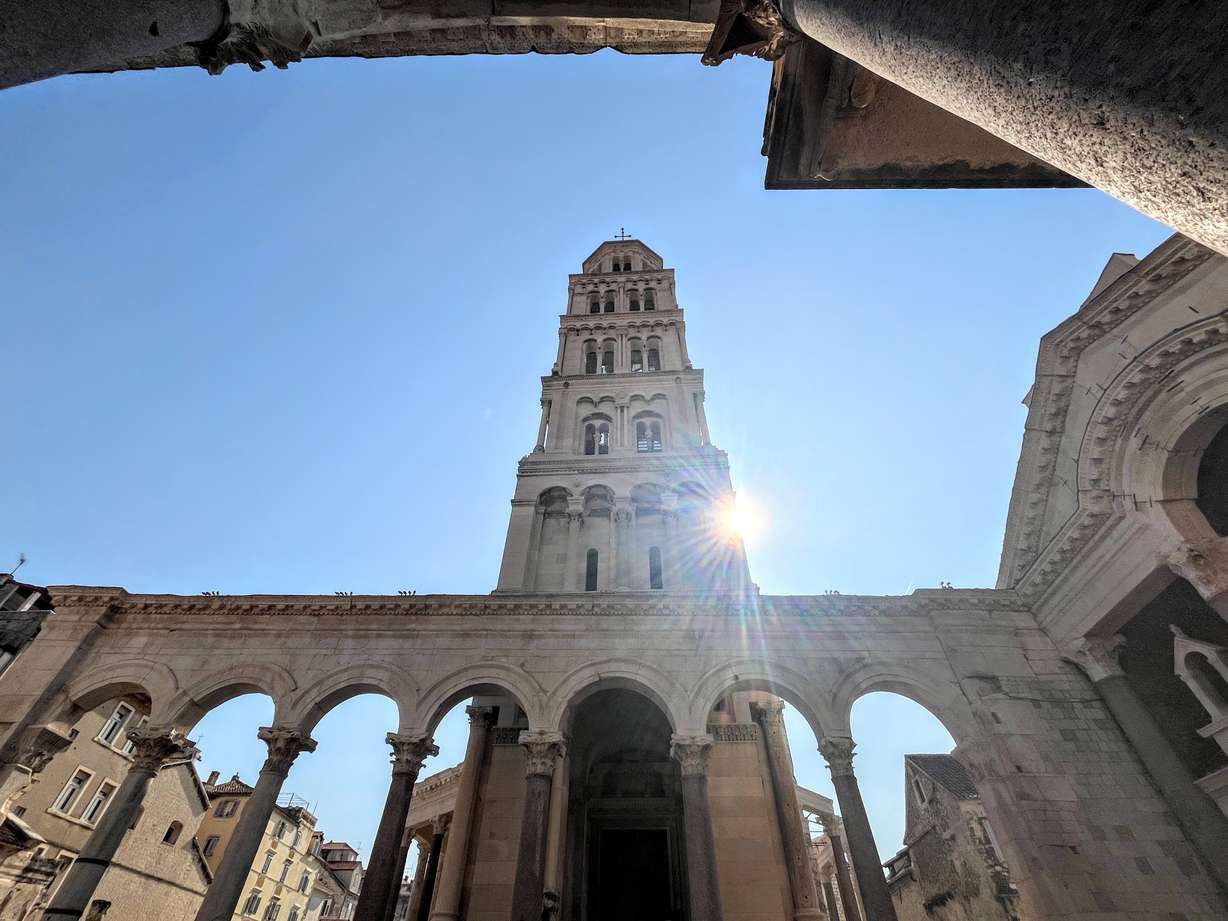
Roman influence is on full display in this seaside location, as much of the old town is built right into the ruins of Emperor Diocletian's palace. Intended as the emperor's retirement residence, it remains one of the world's largest and best-preserved examples of Roman palatial architecture. Passing through the imposing city gates feels like stepping back in time.
For a nice change of pace, you can go explore nearby Krka National Park. The park's waterfalls are gorgeous, and lots of boardwalks make it easy to navigate the terrain.
Kotor
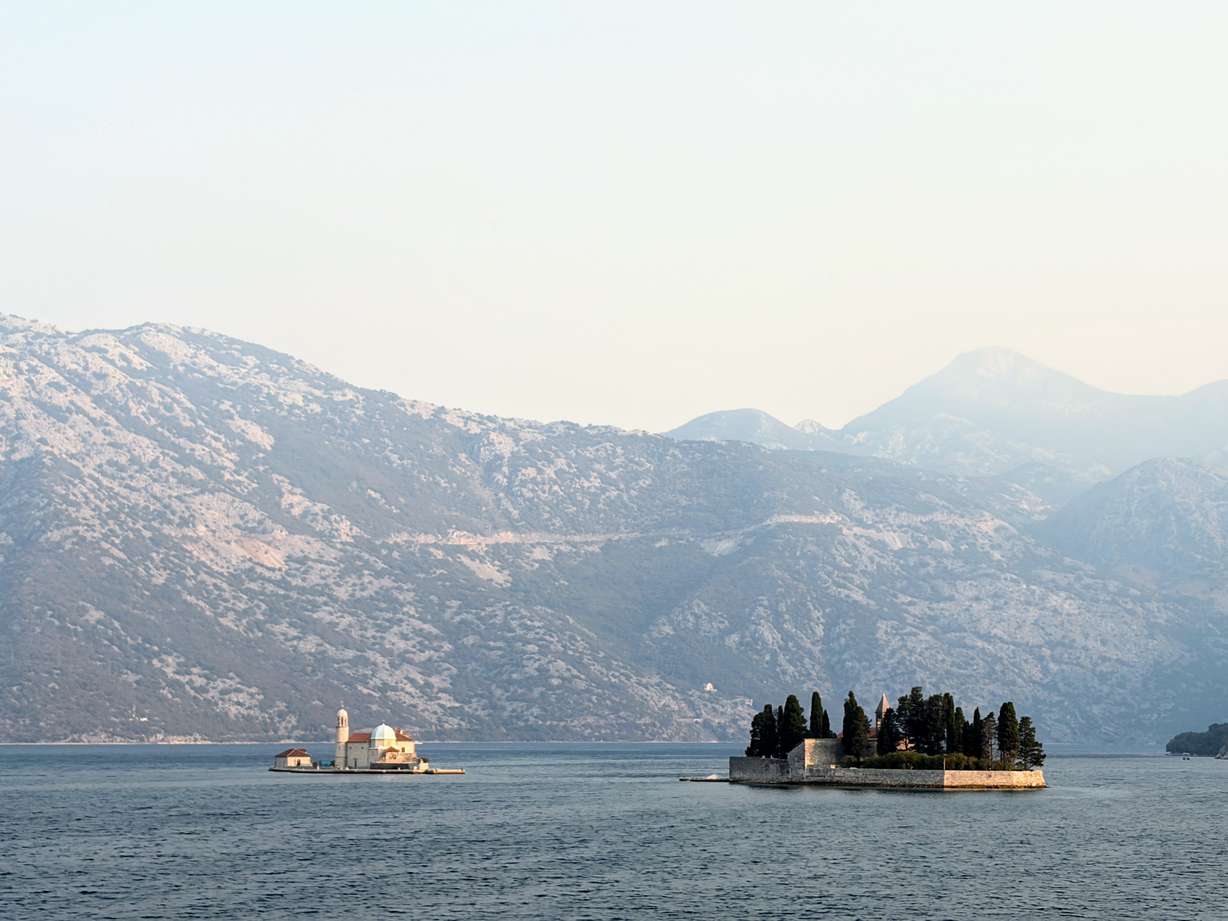
One of the most stunning parts of our trip was sailing into the Bay of Kotor at sunrise. This bay is about 17 miles long, framed by the towering Dinaric Alps. As our ship quietly passed beneath the massifs, we watched medieval towns like Perast and Herceg Novi wake up for the day.
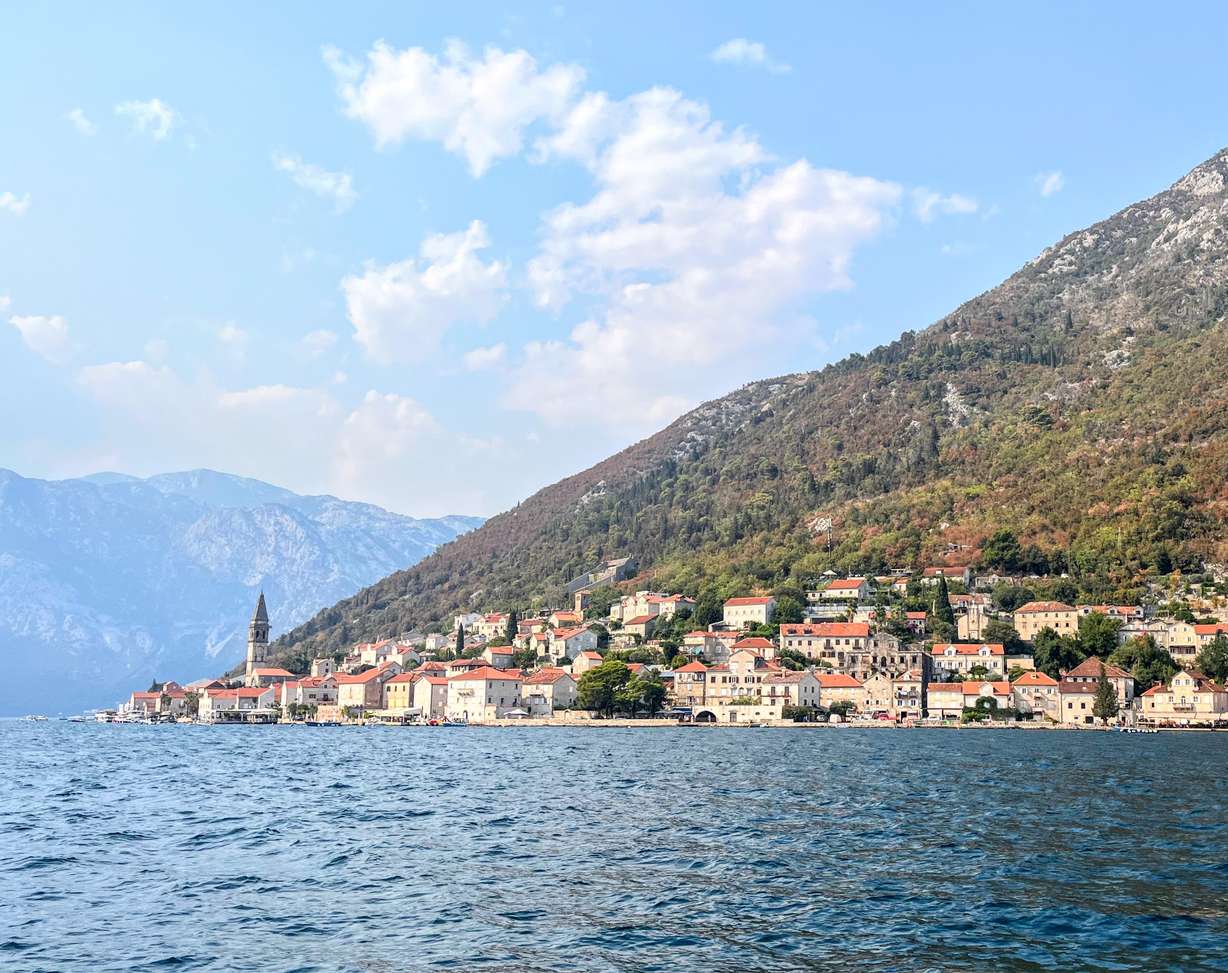
This region of Montenegro serves as the southern gateway to the Dalmatian Coast. But it deserves top billing. As with many of the ports along the coast, Kotor's old town is surrounded by walls. But the fortifications don't end there. Snaking up the mountainside is an array of towers, turrets and other structures. A popular trail follows them up the steep ridges to a crumbling fortress, where tired hikers are rewarded with incredible views of the bay.
As my friend Marko had told me, this part of the world is indeed beautiful. Does it make the river we canoed on look like garbage? Not really. Does it blow your mind on a consistent basis? Absolutely.