'%3e%3cpath%20d='M34.1406%205.85938C30.3906%202.10547%2025.3047%200%2020%200C14.6953%200%209.60938%202.10547%205.85938%205.85938C2.10938%209.61328%200%2014.6953%200%2020C0%2025.3047%202.10547%2030.3906%205.85938%2034.1406C9.61328%2037.8906%2014.6953%2040%2020%2040C25.3047%2040%2030.3906%2037.8945%2034.1406%2034.1406C37.8906%2030.3906%2040%2025.3047%2040%2020C40%2014.6953%2037.8945%209.60938%2034.1406%205.85938ZM37.0117%2023.543H31.1602V13.5391H27.6328V19.9414C28.1211%2020.6914%2028.3711%2021.582%2028.3711%2022.5625V22.625C28.3711%2023.668%2028.1172%2024.6055%2027.6328%2025.4297V26.6094H36.082C33.4883%2032.9375%2027.2891%2037.3789%2020.0039%2037.3789C10.3711%2037.3789%202.62109%2029.6289%202.62109%2020C2.62109%2010.3711%2010.3711%202.62109%2020%202.62109C29.6289%202.62109%2037.3789%2010.3711%2037.3789%2020C37.3789%2021.1484%2037.2617%2022.2656%2037.0508%2023.3477C37.0391%2023.4141%2037.0234%2023.4766%2037.0117%2023.543Z'%20fill='white'/%3e%3cpath%20d='M22.3086%2018.5352C20.4336%2018.125%2019.9531%2017.8398%2019.9766%2017.1836V17.1406C19.9766%2016.6992%2020.3477%2016.2148%2021.4023%2016.2148C22.582%2016.2148%2023.8867%2016.6797%2025.0781%2017.4766L26.8516%2015.0195C25.4453%2013.8906%2023.707%2013.3398%2021.5547%2013.3398C18.5195%2013.3398%2016.4375%2015%2016.4063%2017.4766V17.5352C16.3633%2020.2617%2018.5859%2020.9805%2021.293%2021.6016C23.0391%2021.9766%2023.5703%2022.3164%2023.5703%2022.9609L23.5469%2022.9766C23.5469%2023.3906%2023.2578%2023.7031%2022.7852%2023.8359C22.5742%2023.9062%2022.1289%2023.9727%2021.5156%2023.9727C20.7617%2023.9727%2019.7539%2023.8633%2018.6328%2023.4844C18.0898%2023.2891%2017.4727%2023.0039%2016.8047%2022.6133L20.1406%2026.625C20.2813%2026.6602%2021.0977%2026.8516%2021.7734%2026.8516C25.0039%2026.8516%2027.0859%2025.2461%2027.1094%2022.6328V22.5703C27.1602%2020.1133%2025.2148%2019.1719%2022.3086%2018.5352Z'%20fill='white'/%3e%3cpath%20d='M5.24219%2013.5664V26.6133H8.75391V23.7578L10.2969%2021.9531L14.2031%2026.6133H18.3867L12.3555%2019.5195L17.4023%2013.5664H13.4531L8.75391%2019.0586V13.5664H5.24219Z'%20fill='white'/%3e%3c/g%3e%3cdefs%3e%3cclipPath%20id='clip0_97_2430'%3e%3crect%20width='40'%20height='40'%20fill='white'/%3e%3c/clipPath%3e%3c/defs%3e%3c/svg%3e)


Estimated read time: 10-11 minutes
- Experts advise building strong families through simple traditions and active listening.
- Family traditions create a sense of belonging and security for children, experts say.
- Sharing family stories, including difficult ones, fosters resilience and connection.
Editor's Note: Listen or watch this one-hour special here on KSL NewsRadio Saturday at 12 p.m. Visit this page again to rewatch after air.
SALT LAKE CITY — Strong families don't just happen. They're built over time — through traditions, stories, conversations and the small, often ordinary things that families do together.
In a KSL NewsRadio special, "Inside Sources" hosts Holly Richardson and Greg Skordas sat down with three experts to learn what families can do to strengthen their relationships and build a family culture that lasts.
The advice they received — and the lessons they've learned from their own families — wasn't big or elaborate. It was simple and small.
It wasn't about expensive vacations, time-intensive traditions or finding more hours in an already busy day. Instead, it came down to something much simpler: helping family members know they belong, understanding where they came from and making time to really listen to each other.
Create traditions that say: You belong here
Every family has a culture, whether it's intentionally created or not. That makes it especially important to be deliberate about the culture we want to foster.
Alex Peterson, director of the Utah Office of Families, said the routines and traditions families establish can give children a sense of security and belonging.
"Every family has a culture and they have traditions, whether that's intentional or not," Peterson said. For children, she explained that those traditions can send a powerful message: "You're safe here. You belong here. Your place in this family is secure."
Those traditions don't have to be complicated. In fact, Peterson recommended keeping those traditions simple.
In her own family, Peterson said one of their favorite traditions is a nightly 10-minute cleanup. She said the family puts on music, everybody helps clean up and when the timer goes off, the cleanup turns into a wrestling or dance party.
Another tradition is a weekly 24-hour technology cleanse. Phones go away Saturday night and don't come back until Sunday evening. The family ends the time with a giant skillet chocolate chip cookie and ice cream.
But Peterson said the dessert isn't really the point. It's the undivided attention — and the message that comes with it: "You matter to us," "we're a team" and "our family's whole."
And what's great about those kinds of traditions, she said, is that they don't have to break the bank.
"I think the best traditions are ordinary and inexpensive," like eating dinner together, taking a walk, reading the same book every night or singing the same song before bed, Peterson explained.
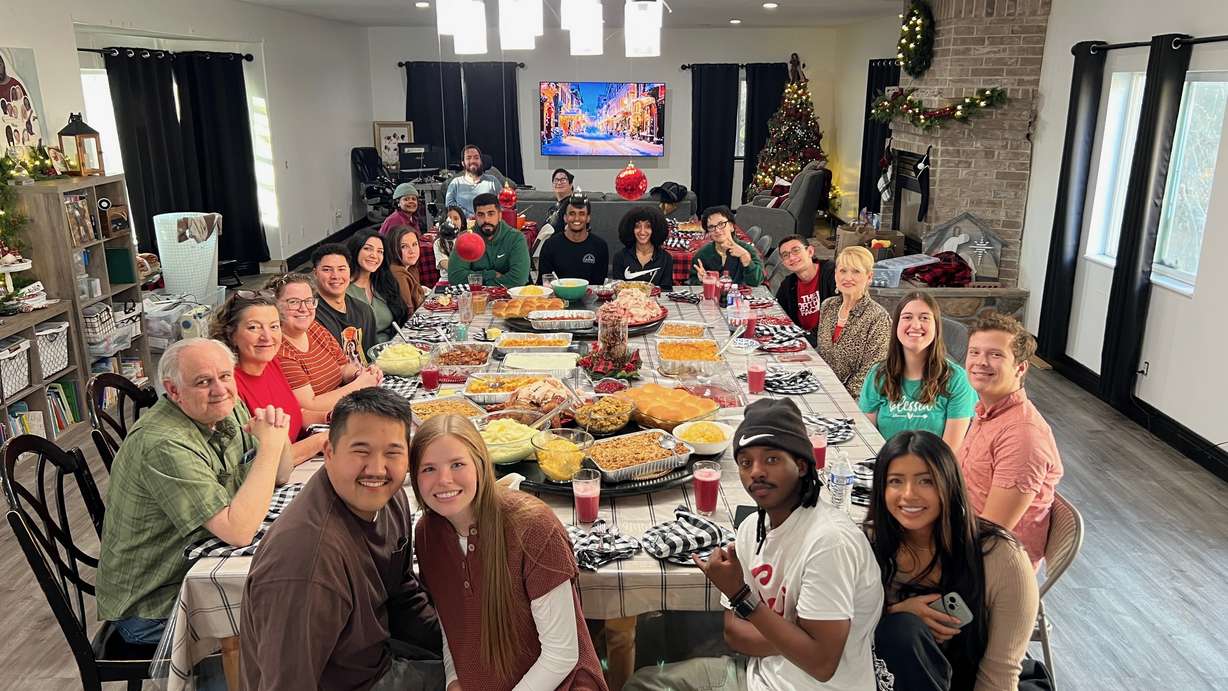
Richardson said her family has long had the tradition of eating dinner together at the same time each night.
"It's not about the food," Peterson told Richardson. "It's about the shared memory, the sense of belonging."
The idea that family members need to know they belong isn't abstract for Richardson, who said much of her life has been shaped by motherhood, as she became a mother to four biological children and later adopted 20 children from eight different countries. She and her husband now also have permanent legal guardianship of a granddaughter.
Her experiences as a mother shaped much of who she became — including her advocacy for children and families.
"Being a mother has meant the highest highs," Richardson said, adding that she's also held an elected office and received personal and professional awards.
"They pale compared to the joys of watching my children succeed, like graduating at the top of their class at Carnegie Mellon, starting their own families or even learning to read or walk when 'the experts' said they never would," she said.
Being a mother has also given her some of the lowest lows.
"I've lost political campaigns, been yelled at, cursed at, had a house fire that left us without a home for months, but those don't even touch the soul-crushing sorrow of burying four daughters."
For Richardson, motherhood has meant both extraordinary joy and unimaginable grief. But through it all, she said, the role has centered on helping children become who they are capable of becoming and loving them along the way.
"Being a mother means helping our children reach their full potential — and realizing that is going to look different for every single one," Richardson wrote.
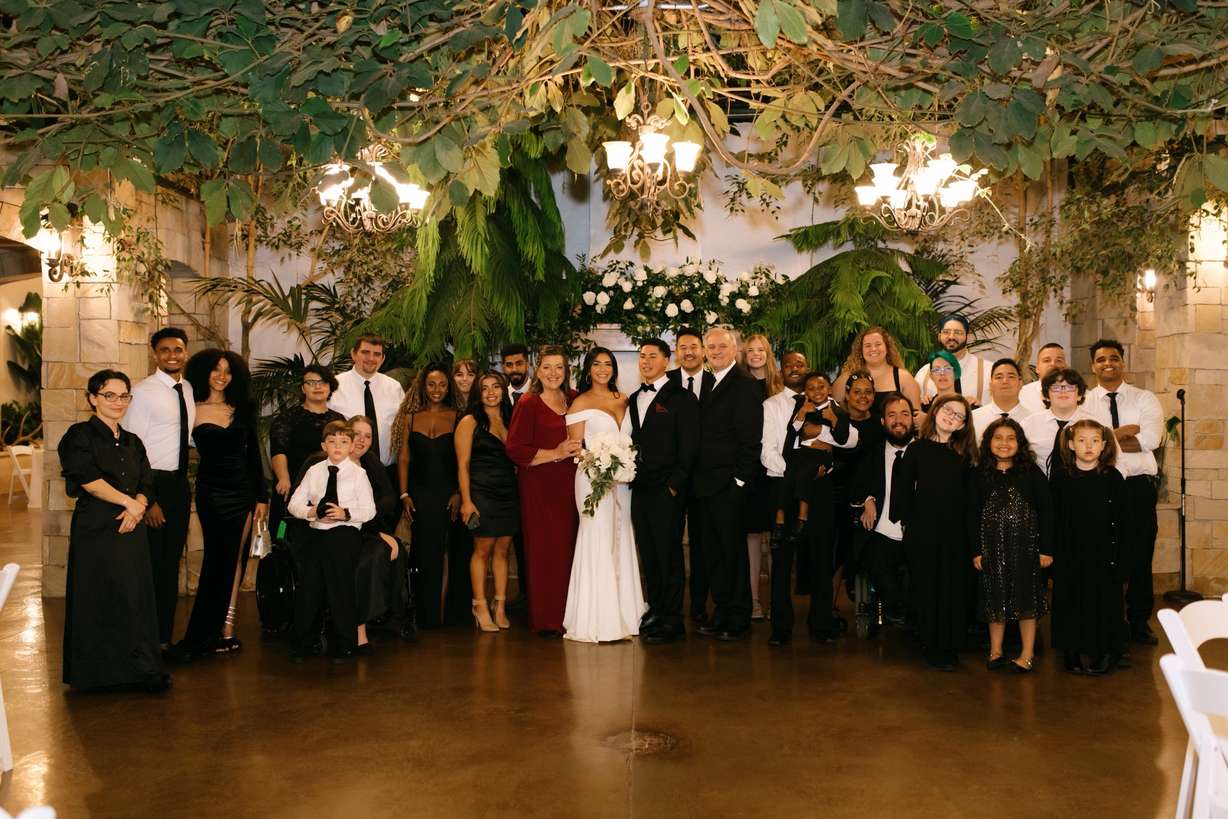
That kind of love isn't about having a perfect family. It's built through repeatedly showing family members that they have a place in the group and that their place is secure for the long term.
Know the story behind your family
Families are also shaped by the stories they tell — their history.
Rachel Crump Matheus, FamilySearch Library operations manager, said knowing family stories and feeling connected to family history can help children become more resilient and confident, and those stories don't have to be perfect.
She said families can sometimes gain something important by telling the difficult parts, too.
Everyone has things in their past that they may not be proud of. But hiding those parts of a person's family history can create an incomplete picture of the people who came before them.
"People are more than one thing," Matheus said, adding that she's seen it in her own family history.
Matheus recently found a photograph of her great-grandparents with her grandfather. Her great-grandfather had struggled with mental illness and spent much of his life in a state institution. His time there meant there were few opportunities to photograph him.
When she found that photo — and got to see her great-grandfather for the first time — it didn't erase any of the difficult history. But it helped make him real to her.
Instead of simply being a name and a set of dates, he became a real person — someone who had a family, a life and relationships.
Matheus often asks people to think about what she calls the "dash" in a person's life: "the dash between the birth date and the death date." The records tell us when someone was born and when they died, but the stories tell us what happened in between.
Those stories can also help family members understand that the people who came before them were complicated human beings, just like they are.
"There's more to all of us than our worst traits and our best traits," Matheus said.
For Richardson, sharing the difficult stories is especially important because it teaches her kids about resilience — about pressing forward even when life seems impossible.
Technology has made it easier to preserve stories, photographs and memories and share them with relatives who may never have known the people in them. It also means documenting those stories no longer has to be a major project on the family to-do list.
Matheus suggests starting small, with one minute a day.
Pull out your phone and record a memory. At a family dinner or gathering, ask a relative a question and record the answer. It could be as simple as asking about a favorite childhood memory, a first job, a family tradition or something they remember about their parents.
The goal isn't to create a perfect family history, she said. It's to make sure those stories don't disappear.
Strong relationships require active listening
Knowing your family's story is one way of understanding where people came from. But building a relationship with the people sitting across the dinner table requires something else: listening.
Dr. Liz Hale, a licensed clinical psychologist with more than 35 years of experience working with marriages and families, said children and teenagers ultimately want many of the same things adults want.
"They want to be seen. They want to be understood. And they want to be loved," Hale said, adding that the best way to do that isn't necessarily by giving children more advice, but the exact opposite.
It's by listening to them. "We understand by listening," said Hale.
One way parents can do that is to let their children become the experts — even if just on a small scale.
Children often know far more than their parents about the latest technology, games, music or social trends. Instead of dismissing those interests, parents can ask questions and let their children explain them.
Hale said it creates an opportunity for connection while communicating something important: I'm interested in what matters to you. She also encouraged parents to make room for honest conversations about failure, fear and difficult experiences.
One of the most memorable questions she shared came from a mentor who once asked his children: "So, tell me, what's it been like to live with me?"
She said the children answered honestly. One son told him that he never played games with them.
The father didn't try to argue with his son's memory. "I don't remember that, but it sounds like me," he had responded. "I believe you, and I am so sorry about that."
That response shows something important about family relationships, that parents don't have to pretend they got everything right, Hale said. Admitting it may give children permission to be honest.
Hale suggested families try asking questions such as:
- Where were you brave today?
- Where were you kind?
- Where did you fail?
- What were you afraid of?
Those questions can lead to conversations that go much deeper and have a greater impact than "How was school today?"
And sometimes, children may be especially interested in hearing about the time their parents failed.
"It can be funny and light-hearted, but it can also be very meaningful, educational, inspiring," said Hale.
Children can sometimes look at their parents as though they have everything figured out. Hearing a parent talk honestly about something that was difficult, frightening or embarrassing can remind them that growing up doesn't mean becoming perfect.
What families build gets passed on
The most meaningful family traditions often aren't the ones that require the most planning. They become part of a family's identity — the things children remember and eventually carry into their own families.
Skordas says he's been fortunate to have close relationships with his children. Even though they're adults and live around the country, they still talk regularly. And he makes a point of saying something to them he didn't hear enough from his own father: "I love you."
"I never ever let a conversation end without saying 'I love you' because my father never said it to me," he said. "He did love me. But he just never said it."
As his children have grown older, the relationship has changed. He said they've become friends, and he now regularly asks them for advice.
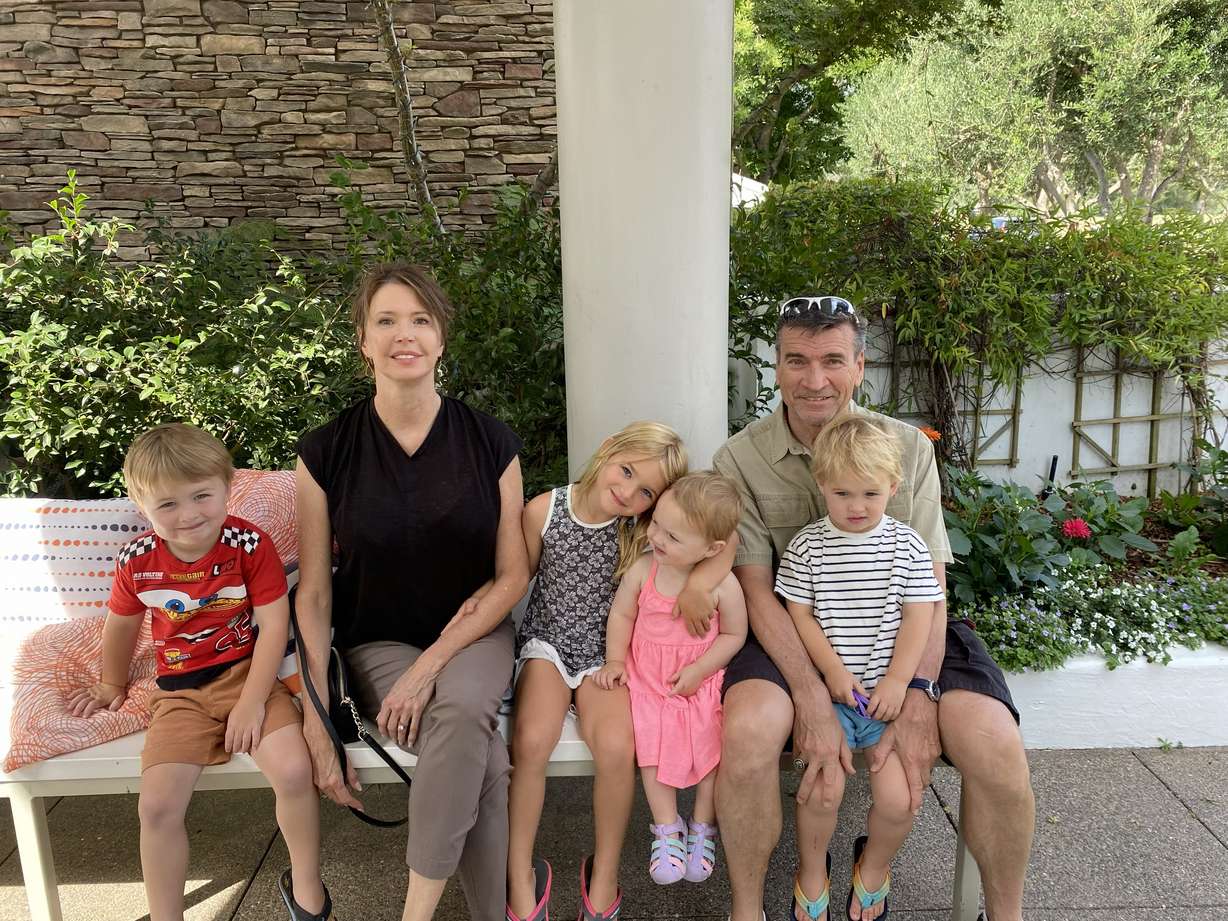
Then there's the part of family life he never fully expected but absolutely adores: being a grandfather. His grandchildren call him different names, including "Silly Grand-da" and "Goofy Grandpa."
He most enjoys watching his children become parents. He sees them repeating some of the traditions he established when they were young.
"It's fun for me to watch my adult kids carry on the traditions that we had," Skordas said.
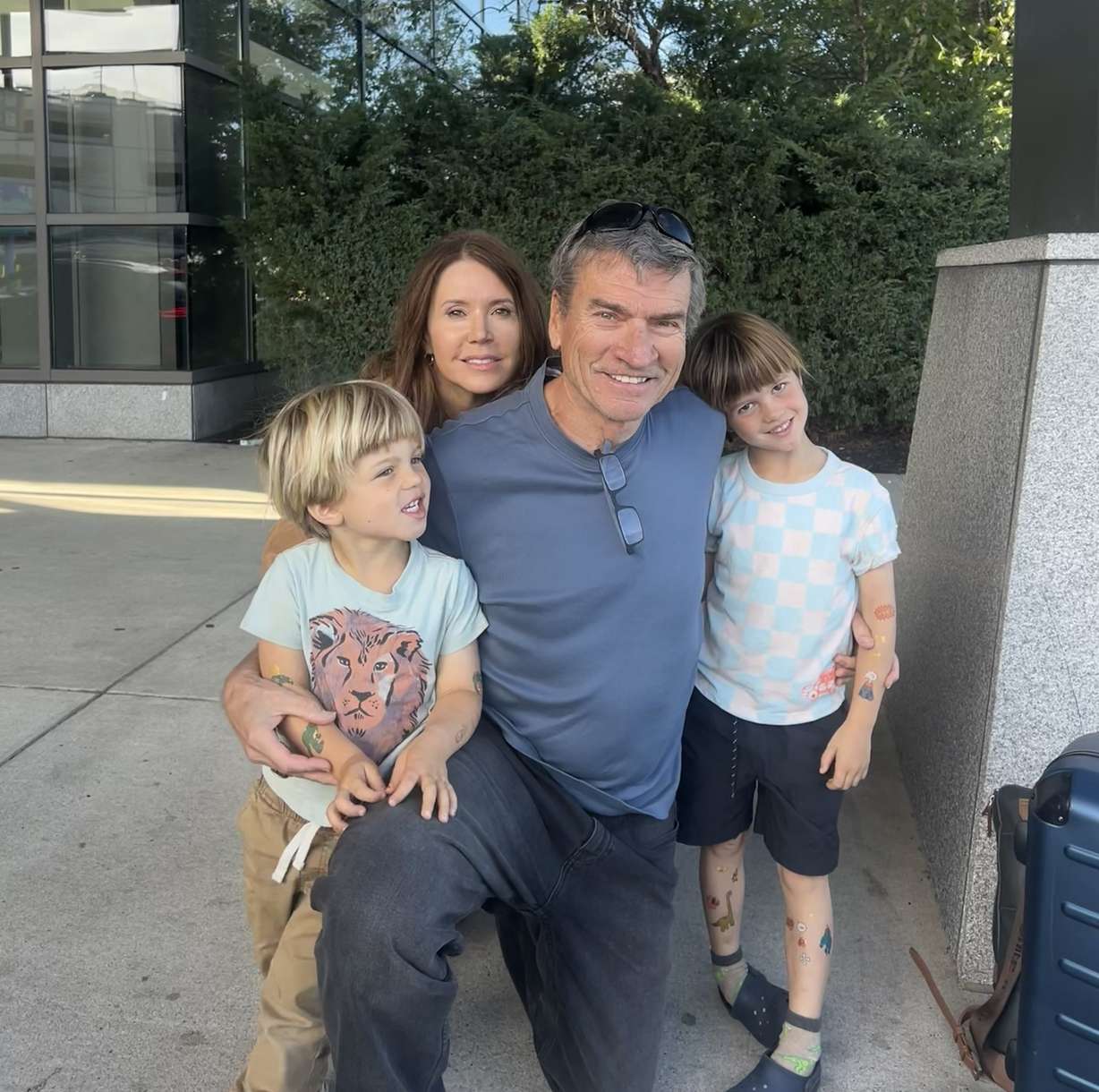
That may be the clearest measure of a family culture that lasts. Not whether every dinner was perfect. Not whether every tradition was carefully planned. Not whether parents always said or did the right thing.
It's that they carried something with them — a story, a tradition, a phrase, a memory. Sometimes, it's simply the feeling of belonging.
Families change. Children grow up and move away. New spouses and grandchildren join the family. The people around the table change, but the things families intentionally build can be carried with them.
A bedtime song can become something a parent sings to a child years later. A family dinner can become a tradition in a new household. Stories about grandparents can become stories told to grandchildren who never met them.
And a simple "I love you" can become something a child never has to worry about.
Strong families don't just happen. They're built one ordinary moment at a time. And if those moments take hold, they can become a legacy passed from one generation to the next.