- Utah's 2025 average temperature of 51.9 degrees broke a record from 1934.
- The state's high and minimum temperatures also set new records in 2025.
- Experts attribute the warmth to mild weather trends and lack of cooling factors.
SALT LAKE CITY — 2025 was the hottest year in almost a century, snapping a longstanding Utah record dating back to 1934, per federal climate data released this week.
Last year's statewide average temperature of 51.9 degrees Fahrenheit surged past the previous record of 51.3 degrees set 91 years prior, per National Centers for Environmental Information data released on Tuesday. It was also close to a degree higher than 2024, which barely missed the 1994 record.
The state's average high temperature of 64.9 degrees also broke a record dating back to 1934; its average minimum temperature of 38.8 degrees snapped a record set in 2015, as well. The centers' statewide data goes all the way back to 1895.
Record-breaking temperatures weren't localized, either. Box Elder, Carbon, Rich, Sanpete, Sevier and Tooele were the only counties that didn't set a new average temperature record in 2025, but last year was their second-warmest on record in all six counties.
Last year was also the state's 14th-driest calendar year, with an average of 10.38 inches.
What made 2025 so warm?
Utah, and the West in general, have endured warmer temperatures in recent decades, but Monica Traphagan, senior meteorologist for the National Weather Service, said several weather trends likely factored into last year's record, too.
It started with a mild start to the year in general. While Utah's northern half ultimately compiled a normal snowpack, Salt Lake City nearly collected its lowest snowfall accumulation in more than 150 years of weather service data tracking. Many storms bypassed central and southern Utah, reducing opportunities for colder air and resulting in lower snowpack in those regions.
Summer was never necessarily too hot, Traphagan adds. Salt Lake City, for example, recorded only seven triple-digit temperature days, which is close to normal and significantly lower than recent years. However, there were many 90-degree days, and it never really cooled down either, especially in overnight hours, leading to less deviation in average temperatures.
There wasn't much monsoon moisture across the state, meaning fewer opportunities for temperatures to cool down. October brought storms, as well as record-setting moisture in parts of the state; it just didn't bring much mountain snow.
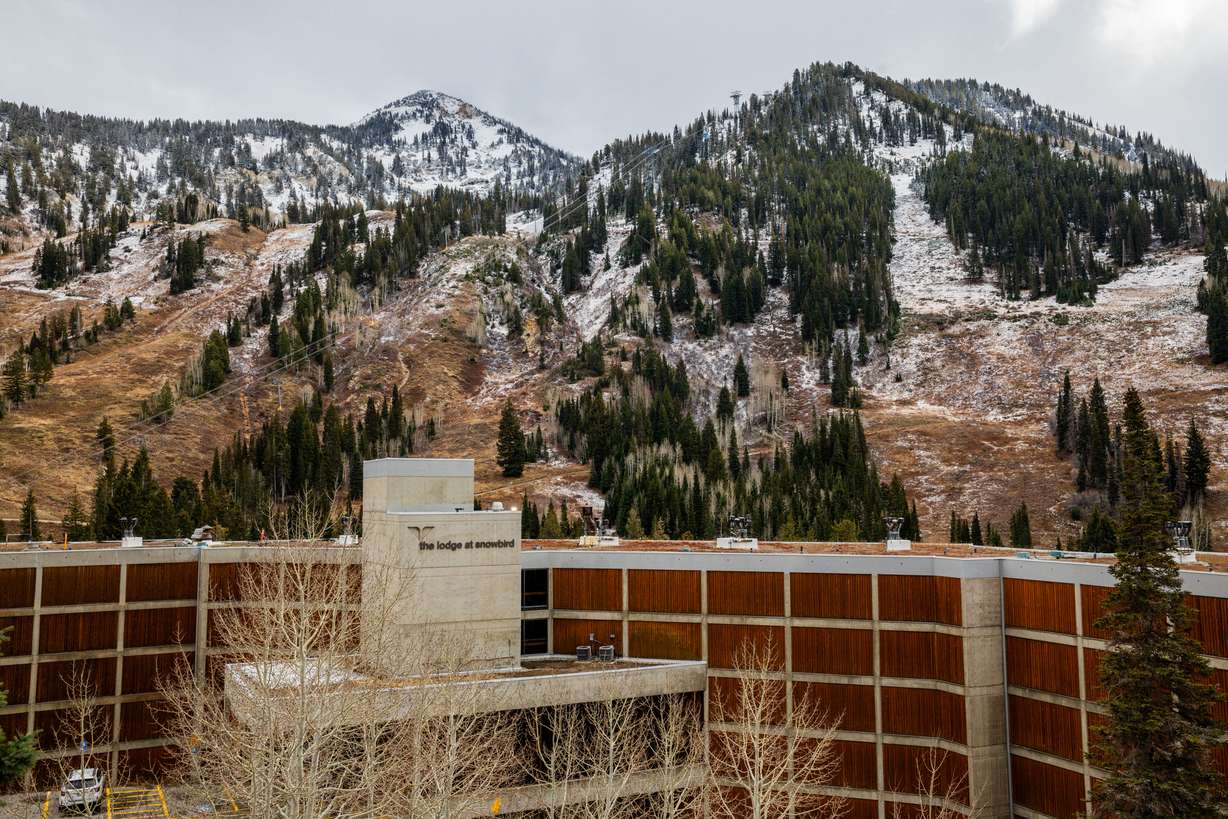
Then came November and December, which sealed this year's place in the record books. November produced few storms, while Utah had a mix of that, as well as a mix of flow bringing in warmer air from the south and atmospheric river storms that brought in warmer systems. There wasn't much cold polar air to mix into the storms, either, which led to temperatures ending up 20 degrees above normal at times.
"This was particularly pronounced as we got toward the end of the year," she said. "In these warm, moist masses, that's what keeps your low temperatures up. If you have more moisture, then you have less radiational cooling at night; so you have the low temperature staying high, and the high temperatures staying quite mild. ... It was certainly an unusual pattern for us."
All of these trends factored into the final average temperature.
Handling a trend
2025 also fell into a trend that state climate experts have noticed in recent decades. Aside from 1934, nine of Utah's 10 warmest years since 1895 occurred after 2000. It's something that they expect will continue, which could impact future water needs.
While mountain precipitation across Utah's northern half "shows no long-term trend, air temperature is up "significantly" since the mid-1980s, Great Salt Lake Strike Team researchers wrote in a report released last week. That can lead to more evapotranspiration and sublimation from snow, they noted, which can diminish mountain groundwater storage, especially when combined with dry years.
"I've personally seen the impacts that both climate change and overconsumption ... have had on the lands where I grew up," said Joel Ferry, director of the Utah Department of Natural Resources, as he talked about the Great Salt Lake during an event about the report.
The report also warns that warmer temperatures are expected across the Great Salt Lake basin in almost every projected emissions scenario through the end of this century, representing increased warmth in the state. That would exacerbate challenges for the lake and other bodies of water.
Those are some of the issues that it says the state will have to address in the future, but the strike team notes there are pathways to get there.