'%3e%3cpath%20d='M34.1406%205.85938C30.3906%202.10547%2025.3047%200%2020%200C14.6953%200%209.60938%202.10547%205.85938%205.85938C2.10938%209.61328%200%2014.6953%200%2020C0%2025.3047%202.10547%2030.3906%205.85938%2034.1406C9.61328%2037.8906%2014.6953%2040%2020%2040C25.3047%2040%2030.3906%2037.8945%2034.1406%2034.1406C37.8906%2030.3906%2040%2025.3047%2040%2020C40%2014.6953%2037.8945%209.60938%2034.1406%205.85938ZM37.0117%2023.543H31.1602V13.5391H27.6328V19.9414C28.1211%2020.6914%2028.3711%2021.582%2028.3711%2022.5625V22.625C28.3711%2023.668%2028.1172%2024.6055%2027.6328%2025.4297V26.6094H36.082C33.4883%2032.9375%2027.2891%2037.3789%2020.0039%2037.3789C10.3711%2037.3789%202.62109%2029.6289%202.62109%2020C2.62109%2010.3711%2010.3711%202.62109%2020%202.62109C29.6289%202.62109%2037.3789%2010.3711%2037.3789%2020C37.3789%2021.1484%2037.2617%2022.2656%2037.0508%2023.3477C37.0391%2023.4141%2037.0234%2023.4766%2037.0117%2023.543Z'%20fill='white'/%3e%3cpath%20d='M22.3086%2018.5352C20.4336%2018.125%2019.9531%2017.8398%2019.9766%2017.1836V17.1406C19.9766%2016.6992%2020.3477%2016.2148%2021.4023%2016.2148C22.582%2016.2148%2023.8867%2016.6797%2025.0781%2017.4766L26.8516%2015.0195C25.4453%2013.8906%2023.707%2013.3398%2021.5547%2013.3398C18.5195%2013.3398%2016.4375%2015%2016.4063%2017.4766V17.5352C16.3633%2020.2617%2018.5859%2020.9805%2021.293%2021.6016C23.0391%2021.9766%2023.5703%2022.3164%2023.5703%2022.9609L23.5469%2022.9766C23.5469%2023.3906%2023.2578%2023.7031%2022.7852%2023.8359C22.5742%2023.9062%2022.1289%2023.9727%2021.5156%2023.9727C20.7617%2023.9727%2019.7539%2023.8633%2018.6328%2023.4844C18.0898%2023.2891%2017.4727%2023.0039%2016.8047%2022.6133L20.1406%2026.625C20.2813%2026.6602%2021.0977%2026.8516%2021.7734%2026.8516C25.0039%2026.8516%2027.0859%2025.2461%2027.1094%2022.6328V22.5703C27.1602%2020.1133%2025.2148%2019.1719%2022.3086%2018.5352Z'%20fill='white'/%3e%3cpath%20d='M5.24219%2013.5664V26.6133H8.75391V23.7578L10.2969%2021.9531L14.2031%2026.6133H18.3867L12.3555%2019.5195L17.4023%2013.5664H13.4531L8.75391%2019.0586V13.5664H5.24219Z'%20fill='white'/%3e%3c/g%3e%3cdefs%3e%3cclipPath%20id='clip0_97_2430'%3e%3crect%20width='40'%20height='40'%20fill='white'/%3e%3c/clipPath%3e%3c/defs%3e%3c/svg%3e)



- Utah's HB536 bill seeks to increase penalties for vandalizing public lands.
- The bill also proposes creating the Public Lands Restoration and Protection Fund for repairs and education.
- The bill, supported by officials, faces a deadline of March 6 for legislative approval.
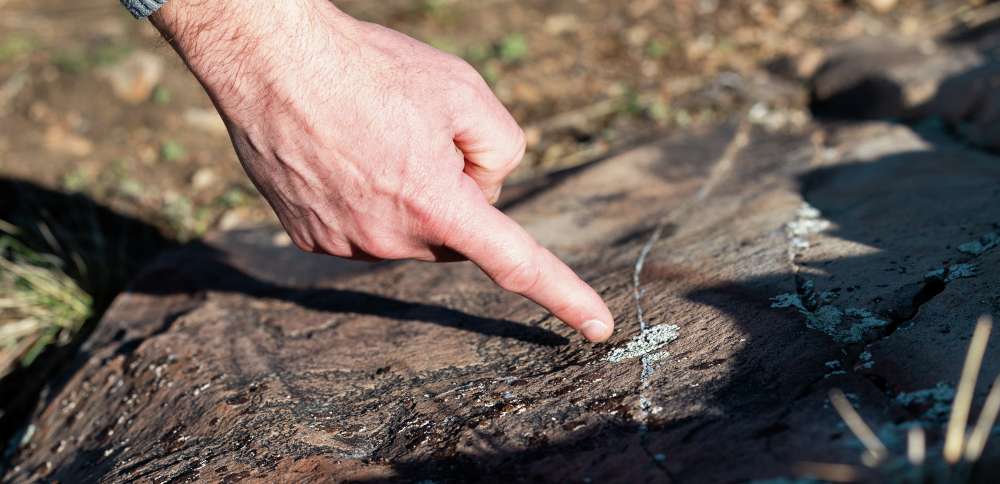
SALT LAKE CITY — The growth in popularity of Utah's outdoors has unfortunately meant a rising number of land vandalism cases, including incidents where ancient petroglyphs and other priceless artifacts are damaged or destroyed.
"The extent in which people will go to destroy these artifacts is incredible," said Rep. Stewart Barlow, R-Fruit Heights. "They go in with power tools, actually cut out the rock mantle that they want to take and sell it on the open market."
It's a complex issue, he adds, but the way that punishment for these crimes is written doesn't guarantee restitution. That's why he's pushing a bill that would increase penalties and better define where fines and restitution payments go after a conviction.
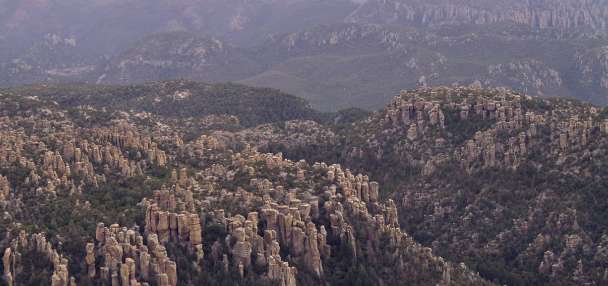
His bill, HB536, cleared the House Natural Resources, Agriculture and Environment Committee this week. It seeks to expand the punishment for graffiti or defacement of public lands to include more damage or destruction of natural and archaeological features, such as damaging or destroying natural features like hoodoos, stalactites, stalagmites or petroglyphs on public lands.
It would also create the Public Lands Restoration and Protection Fund, where fines and restitutions from convictions are directed toward repairs to damaged lands and archaeological sites. The Utah State Historic Preservation Office would operate this proposed fund, which could also be used for programs that educate the public about preserving natural and archaeological features.
The fund is a key missing piece right now, says Utah Department of Natural Resources Deputy Chief Wyatt Bubak. It would ensure restitution fines are spent on efforts to reduce incidents and restore damaged artifacts, which isn't as clear as the law is written now.
At the same time, there's no clear funding for restoration efforts on private property, which can cost a few hundred dollars up to over $10,000, depending on various factors. This would also be addressed with the bill.
Bubak believes it would be an "additional step" in preserving cultural sites.
"That's one of the efforts associated with this — ensure that it goes back to the resources in which it was intended to protect," he told members of the House Natural Resources, Agriculture and Environment Committee.
The bill ran into no opposition during the meeting, advancing to a full House vote. Rep. Rex Shipp, R-Cedar City, said the work to protect Utah's prehistoric artifacts is "really critical."
However, it could run up against the clock. All bills must clear the Utah House of Representatives and Senate by the end of March 6, before potentially going into law.