
- Utah filed a lawsuit against Stake, alleging illegal online gambling operations.
- State Attorney General Derek Brown seeks over $300,000 in restitution for Utahns.
- Stake reportedly generates $4.7 billion annually and targets young audiences with promotions.
SALT LAKE CITY — Utah wants to stop an online casino from operating in the state and recover money Utahns have lost betting on the site.
State Attorney General Derek Brown and the Utah Division of Consumer Protection filed a lawsuit Tuesday, alleging Sweepsteaks Limited of Cyprus and Easygo Group Holdings Pty Ltd of Australia, known together as Stake, operate an illegal gambling operation under Utah law.
The complaint in 3rd District Court in Salt Lake City is the state's third in the past month against a betting platform. Utah bans all forms of gambling, including online.
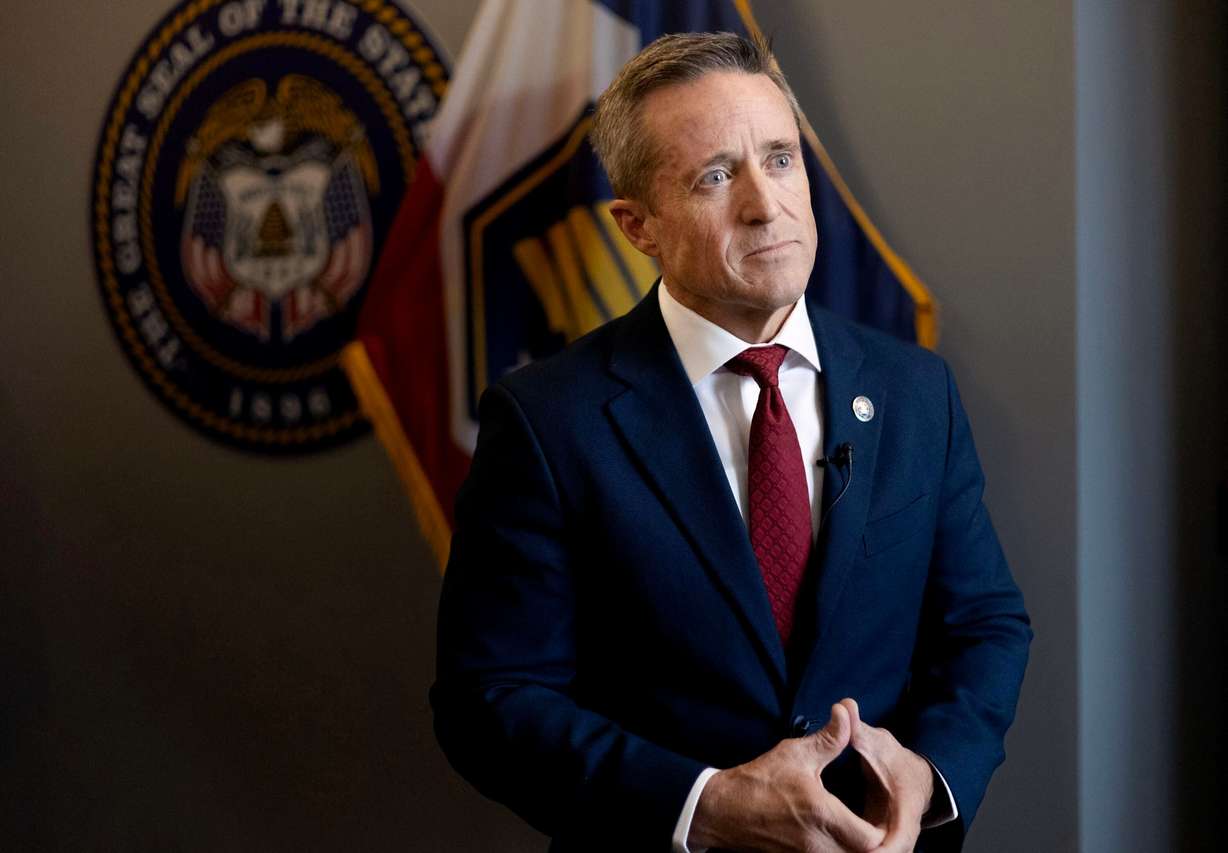
"Utah is not a safe haven for casinos. Stake effectively opened a 24-hour gambling operation that Utahns could access from their phones, tablets and living rooms. You don't get to legalize gambling in Utah simply by using clever marketing tricks," Brown said in a statement.
Stake.com is the biggest online casino in the world and offers traditional casino games such as slots, blackjack and roulette with or without live dealers, as well as sports betting and poker.
Stake draws more than 100 million website visits a month and an estimated 10 billion monthly bets, according to a vendor case study, and generated $4.7 billion in gross gaming revenue in 2024, according to Forbes.
The complaint did not specify the number of Utah users. It seeks "well in excess" of $300,000 each for restitution to Utah consumers and in civil penalties for alleged violations of Utah law.
What's the Utah lawsuit against Stake?
Stake markets Stake.us as a "sweepstakes" or "social casino" and has avoided almost all regulation by holding itself out as a lawful entertainment business, the lawsuit states. The complaint notes, "What Utah has prohibited since statehood, defendants have made available to its residents with little more than a few clicks," according to the lawsuit.
The complaint claims that Stake knows where its product is prohibited and publishes a list of 25 states whose residents it refuses to serve, and it blocks registration from each of them. Utah is not on the list.
"Stake maintains a restricted-states list and has the technical ability to exclude Utah users but chooses not to," state officials allege.
The complaint alleges it is real-money gambling under Utah law, whatever the label. Users buy two virtual currencies with real money. One of them, Stake Cash, works as a casino chip and converts back to money one-to-one, per the complaint.
According to the complaint, Stake rewards users for how much they bet through promotions, VIP tiers and rake-back programs. It markets through influencers and celebrities who appeal to young audiences. It has used characters from children's shows and movies, and it offers slot games themed around cartoon monkeys, candy and gummy bears.
"We will not stand idly by while an offshore operation disregards our laws and threatens the well-being of Utahns," Margaret Woolley Busse, Utah Department of Commerce commissioner, said in a statement.
"Stake's predatory and deceptive tactics are a direct assault on Utah's values and laws that protect our community, particularly our children and vulnerable populations. By glamorizing gambling through colorful promotions and appealing themes targeted at kids, they exploit impressionable young minds, leading them towards financial peril and addiction."
Stake did not immediately respond to an email request for comment on the lawsuit.
Utah goes after prediction market platform
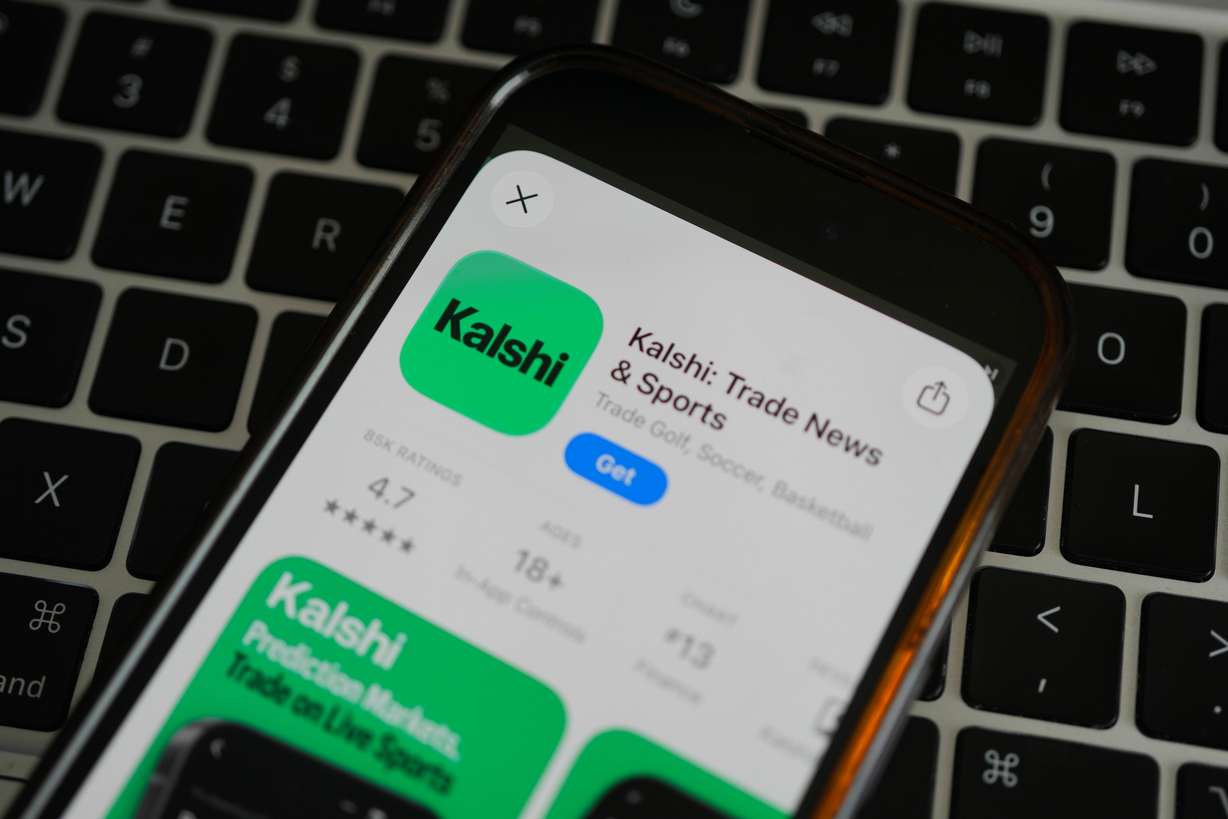
In October, Utah filed a civil lawsuit against the prediction market platform Kalshi, arguing the company is subject to the state's anti-gambling laws.
The complaint seeks to stop the company from operating in the state, as well as pull back millions of dollars in "illegally obtained profits." It estimates Kalshi made between $30.5 million and $61.1 million from bets placed by Utah accounts.
Also in October, Utah became the second state after Arizona to file criminal charges against Kalshi and its owners, alleging the company profited from illegally promoting gambling in the state.
In the criminal case, Utah charges Kalshi and its co-founders Tarek Mansour and Luana Lopes Lara with one count of pattern of unlawful activity, a second-degree felony; 12 counts of online gambling promotion, a third-degree felony; and one count of general gambling promotion, a class A misdemeanor.
The federal Commodity Futures Trading Commission oversees prediction markets. Kalshi has said Kalshi answers to federal law, and no single state should have a veto over it.