
Estimated read time: 3-4 minutes
- Paleontologists in Utah are excavating the Ironstone Bonebed, uncovering dinosaur fossils.
- Don DeBlieux plans to retire, marking the end of a 25-year partnership.
- A new dinosaur species may be named after DeBlieux, honoring his contributions.
MOAB — In a remote stretch of Utah's desert north of Arches National Park, a little digging is uncovering something big.
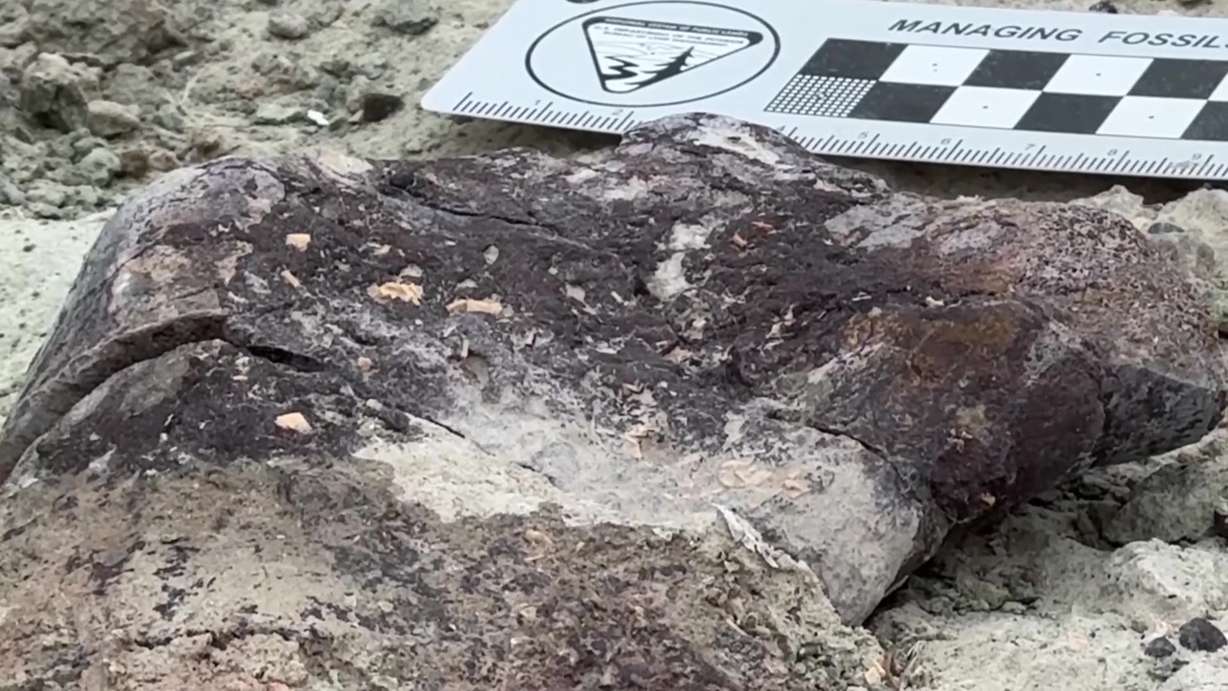
Paleontologists with the Utah Geological Survey have begun excavating a newly identified dinosaur bonebed that could provide important clues about a major turning point in prehistoric history.
"These are some of the oldest sites in the whole Cretaceous of North America," said Don DeBlieux, Utah's assistant state paleontologist.
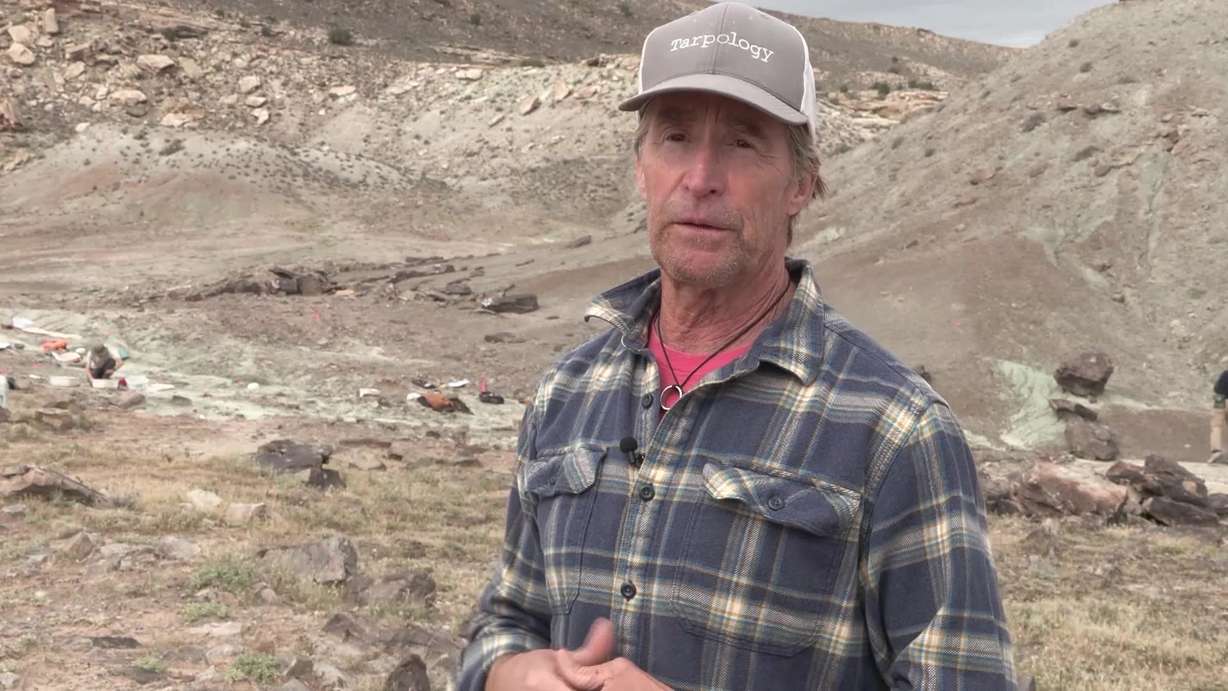
The site, known as the Ironstone Bonebed, is where researchers believe fossils, which are found there, could help explain what happened after a major extinction event at the end of the Jurassic Period.
They've already found plenty to keep them busy.
"We already know we have four different kinds of dinosaur here," said Utah State Paleontologist Jim Kirkland. "We've barely scratched it. This whole slope here, there's all this stuff under us, pristine. It'll be decades of work on this individual site."
But for Kirkland and DeBlieux, time is beginning to mean something a little different.
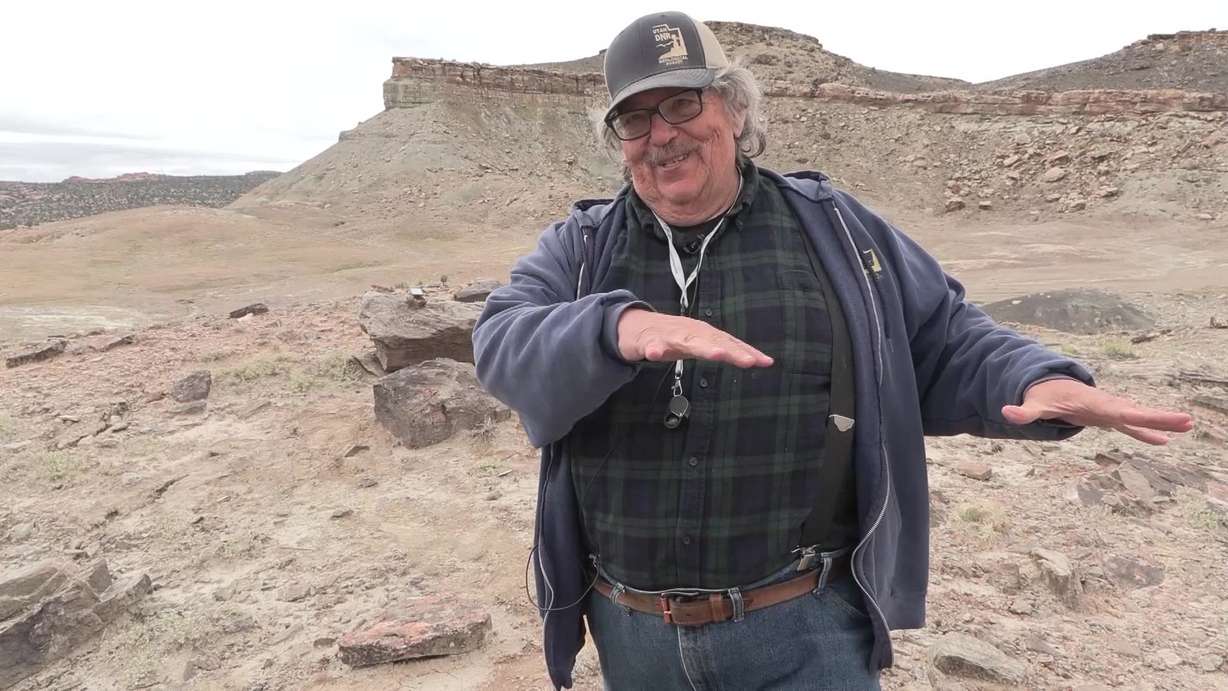
The two paleontologists have spent the past quarter-century working side by side, exploring Utah's rugged landscapes and uncovering pieces of the state's prehistoric past.
During their early years working together, DeBlieux said they spent between 50 and 100 days annually in the field.
Those long days eventually created a relationship that went well beyond their jobs.
"One of the other wonderful things about working out here is, you know, first they're an acquaintance, then they're a friend, and then they become like family. We end up being like brothers, essentially," said DeBlieux.
The two have also developed a sense of humor about their partnership, too.
"We say we're like Laurel and Hardy, Abbott and Costello," DeBlieux joked.
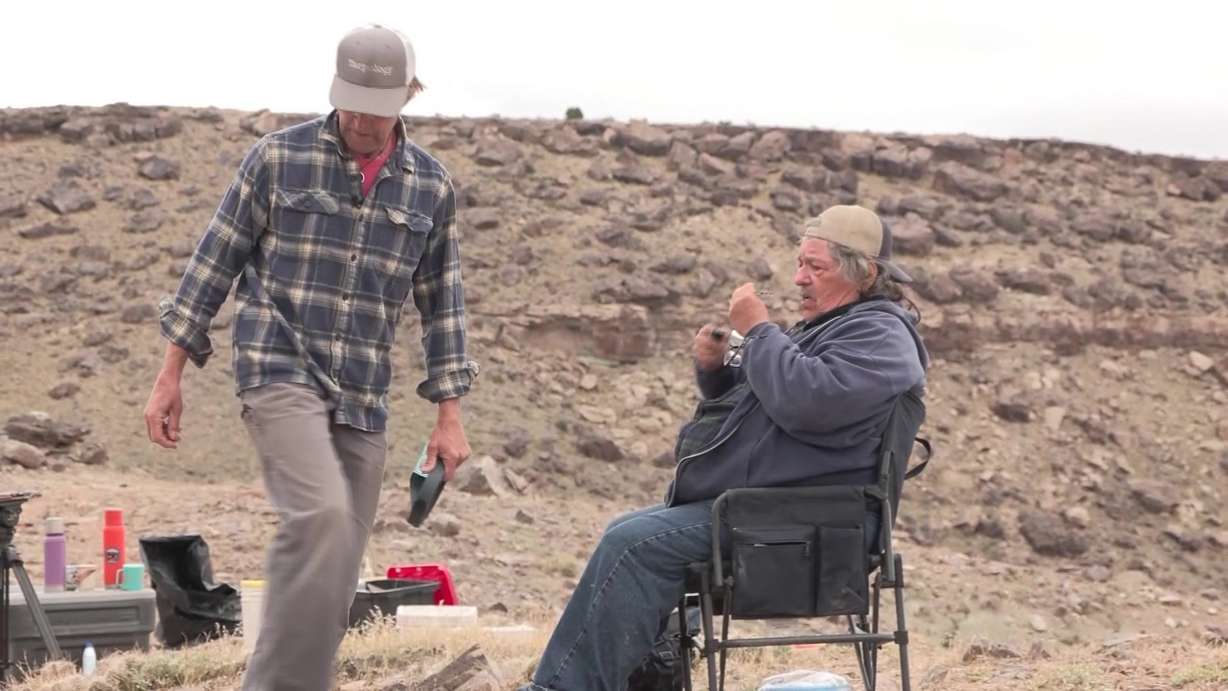
Kirkland agreed that their years together have created a special working relationship.
"It really is an amazing synergy we've put together over the years," he said.
That partnership, at least in its current professional form, is approaching a major change.
DeBlieux plans to retire from his position with the Utah Geological Survey at the end of the year, making this likely the final field season the two will share as state employees.
"Don, you know, he's my right-hand man," said Kirkland. "Replacing him is going to be a big deal."
While DeBlieux may be leaving his state job, he has no intention of leaving paleontology behind.
"I don't really call it a retirement. It's more of a transition," he said.
For DeBlieux, searching for fossils has always been more than a paycheck.
"This is a dream job," he said.
That passion has taken him across Utah and led him to discover more than 500 fossil localities in the state.
Now, he plans to continue doing much of the work he loves, including research, fieldwork and preparing dinosaur bones.
"The great thing about paleontology is it's more than just a job. It's a lifestyle," said DeBlieux.
Kirkland joked that the biggest adjustment may be losing the ability to give his longtime colleague assignments.
"When he comes to camp, I'm not going to be able to snap my fingers, 'Don, you do this,'" said Kirkland with a laugh.
The newly opened excavation site could provide plenty of opportunities for the two to continue working together, even after DeBlieux officially retires.
There may also be another lasting reminder of their partnership.
According to the Utah Geological Survey, the site appears to contain the remains of a newly discovered armored dinosaur species that Kirkland is working to describe and name in honor of DeBlieux.
It's a fitting tribute to a man who has spent much of his career uncovering creatures that lived millions of years ago.
As for DeBlieux, he doesn't sound particularly interested in slowing down.
"They say it's only work if you'd rather be doing something else," he said with a laugh.
After 25 years of digging into the past together, it seems these two still have plenty of history left to make.
"We're Laurel and Hardy," said Kirkland. "There's no question."