- Two Utah fathers developed ShieldView, an AI platform to aid law enforcement.
- The platform helps process digital evidence efficiently, reducing investigators' emotional strain.
- ShieldView offers free trials to Utah agencies, aiming to enhance community protection.
SALT LAKE CITY — After 15 years of reviewing images and videos of child sexual abuse, a law enforcement investigator's experience helped inspire two Utah dads to rethink how officers handle some of their most difficult cases.
Chase Cutler and Mike Hawker, who come from software and technology backgrounds, are raising their families in Lehi and Herriman. As fathers living in the communities that local law enforcement agencies work to protect, they wanted to find a way to help investigators do their jobs more efficiently while reducing the emotional toll of reviewing traumatic evidence.
That mission led to the creation of ShieldView, an artificial intelligence platform designed to help law enforcement agencies process digital evidence faster while limiting unnecessary exposure to disturbing material.
What initially began as a tool focused on monitoring investigators' mental health has since expanded into a platform that assists with criminal investigations, police reporting and correctional facility operations. Despite that growth, Hawker said protecting investigators remains at the heart of what the company is building.
For the dad duo, the goal is not to replace investigators with artificial intelligence, but to provide technology that reduces their workload, supports their mental well-being and helps them better protect their communities.
Child exploitation reports continue to rise
Law enforcement agencies across Utah are facing an increasing number of reports involving suspected child sexual exploitation, creating challenges for investigators responsible for reviewing large amounts of digital evidence.
According to data presented to the Utah Legislature, Utah received 6,034 CyberTipline reports in 2023, a 263% increase from the 1,661 reports received in 2019.
The National Center for Missing & Exploited Children reported a 1,325% increase in CyberTipline reports involving generative artificial intelligence from 2023 to 2024, rising from approximately 4,700 reports to 67,000. In 2025, the organization received more than 400,000 reports connected to generative AI, highlighting the growing challenges investigators face as the technology spreads.
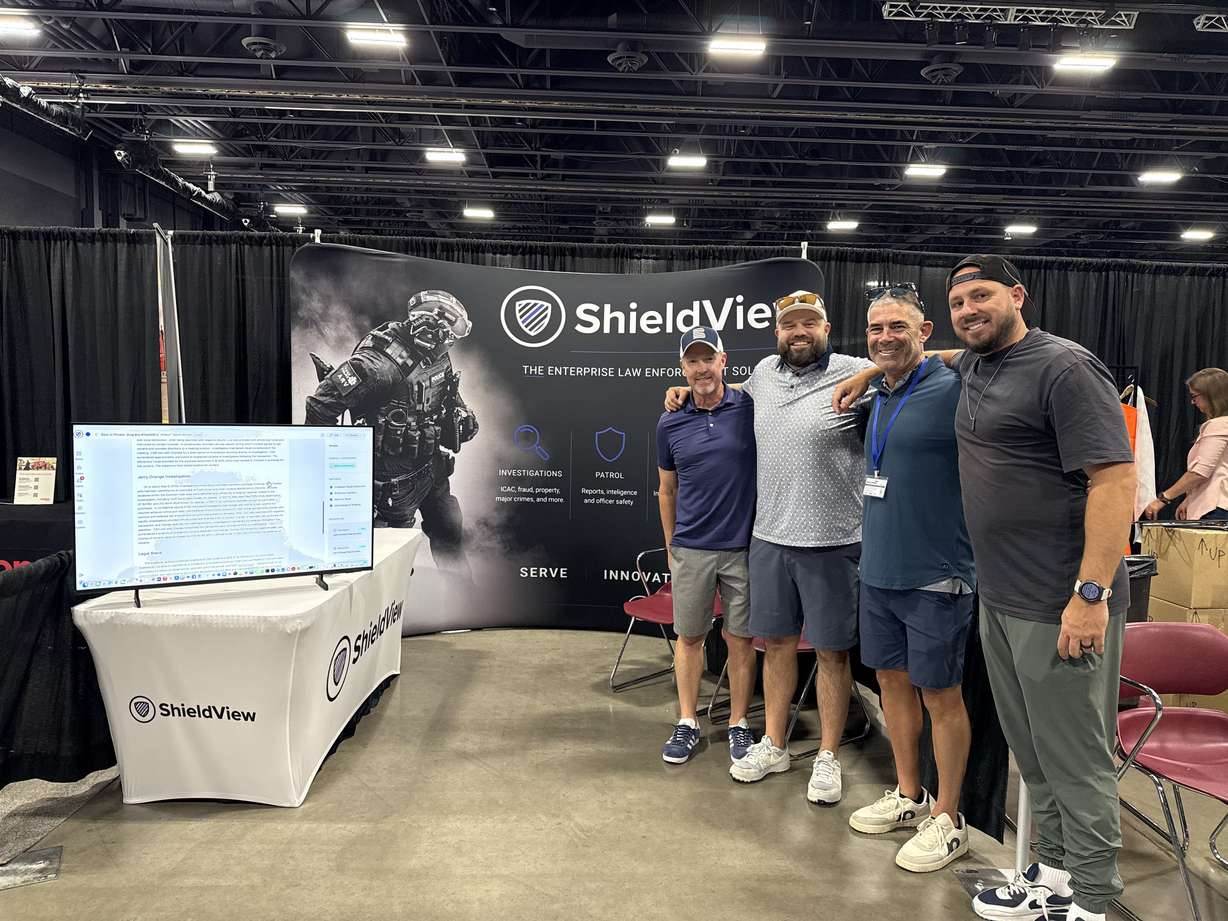
According to the Utah Attorney General's 2024 annual report, the state's Internet Crimes Against Children Task Force prosecuted 71 cases and opened 129 new cases in 2024. The Utah Attorney General's Office and Utah law enforcement agencies reported opening 179 new cases in 2025.
The number of new cases opened is separate from the number of prosecutions, which may occur later in a later investigation.
The challenge extends beyond Utah. According to NCMEC's national CyberTipline data, the organization received approximately 21.3 million reports of suspected child sexual exploitation nationwide in 2025, involving more than 61 million images, videos and other files.
With investigators responsible for reviewing evidence that can include thousands of images, lengthy videos and extensive digital conversations, Hawker believes technology can help agencies identify relevant information more efficiently without requiring investigators to examine every piece of material themselves.
Reducing the emotional toll on investigators
Although ShieldView has expanded into several areas of law enforcement, protecting investigators from repeated exposure to traumatic evidence remains central to the company's mission.
Internet Crimes Against Children investigators are responsible for examining material involving the sexual abuse and exploitation of minors, work that can require repeatedly viewing disturbing images and videos.
Hawker said investigators may spend 10 to 15 years examining some of the most disturbing material involving children, making it important for law enforcement agencies to recognize the emotional toll that repeated exposure can have on employees.
ShieldView was developed in part to reduce the amount of unnecessary explicit material investigators encounter while searching for evidence. Its artificial intelligence models can help identify potentially relevant content, allowing investigators to focus on material that requires closer examination.
The platform also uses hash values, which are digital identifiers that can help recognize files previously identified by law enforcement. According to ShieldView, this technology can allow investigators to avoid viewing certain known abusive material again.
Hawker emphasized that investigators still make the legal determinations about evidence and remain responsible for decisions throughout the investigation.
In addition to analyzing evidence, ShieldView has developed tools intended to help agencies monitor investigators' exposure to traumatic content and identify possible signs of burnout.
"We're trying to help agencies better understand that exposure and recognize when an investigator might need support," Hawker said. "It's not just about getting cases done faster. It's about taking care of the people doing the work."
Using AI to speed up investigations
ShieldView's technology has also been used to assist with cases unrelated to child exploitation, including fraud investigations and stolen property cases.
The platform uses 15 specialized artificial intelligence models designed to analyze different types of evidence, including video footage, audio recordings, text messages, financial records and investigative documents.
In one example Hawker shared, a law enforcement agency had been working on a fraud investigation for about nine months. After processing evidence through ShieldView, investigators identified the information they needed in about 60 minutes.
According to Hawker, the platform helped surface information relevant to the investigation, including digital evidence that could assist officers in identifying additional victims and tracing financial activity.
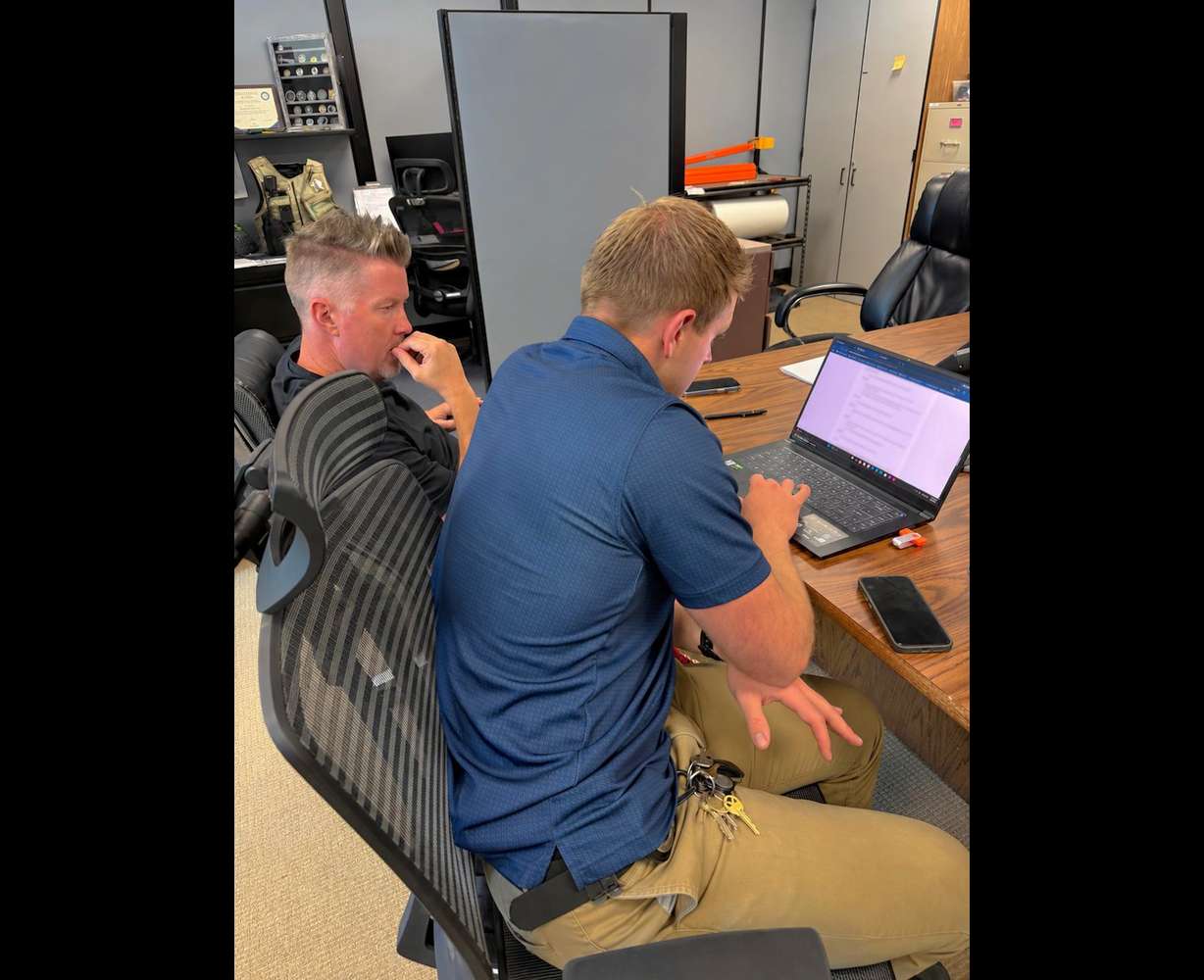
In another case involving a stolen firearm, investigators were faced with approximately 6,000 pages of warrant-related material. Hawker said the technology helped locate relevant information within minutes, reducing the amount of time investigators would otherwise spend manually reviewing the documents.
ShieldView reports that it currently processes more than 30,000 pieces of evidence each month for law enforcement agencies in Utah, a figure Hawker said represents far more than individual documents.
A single piece of evidence could include hours of body-camera footage, an entire phone extraction, thousands of financial records, recorded jail calls or a large collection of investigative documents. Hawker said the volume and complexity of that material demonstrate why agencies need additional tools to help manage their growing workloads.
ShieldView has also developed technology intended to reduce the administrative work required of patrol officers. According to Hawker, its report-writing tools can save officers approximately two hours per shift, potentially allowing them to spend more time in the field.
In correctional facilities, the platform can analyze recorded jail calls and identify conversations that may indicate suicide risk, self-harm or admissions of criminal activity. ShieldView says the technology can help staff locate conversations requiring attention without manually listening to large volumes of recordings.
Security remains a priority
Because ShieldView processes sensitive law enforcement evidence, including material involving child sexual abuse, Hawker said security and legal compliance have been major priorities throughout the company's development.
According to Hawker, ShieldView worked with Amazon Web Services to develop infrastructure designed to handle sensitive investigative material while limiting employee access to evidence.
ShieldView says its system is designed to remove child sexual abuse material from its servers within 48 hours rather than permanently store it. Hawker also described restrictions intended to prevent unauthorized employees from accessing sensitive evidence.
Hawker said the technology is intended to help investigators locate relevant information while leaving legal judgments and investigative decisions to law enforcement personnel.
Making technology accessible to Utah agencies
Despite the potential benefits of new investigative technology, Hawker said government purchasing procedures can make it difficult for law enforcement agencies to adopt new tools quickly.
According to ShieldView, the purchasing process can take between 12 and 18 months because of budget limitations and administrative requirements.
To address those challenges, ShieldView has offered free pilot programs and significant discounts to agencies interested in testing its platform.
Hawker said the programs generally last 60 to 90 days and give agencies access to the technology and weekly support from team members with law enforcement experience.
While ShieldView is expanding its reach beyond Utah, Hawker said the company's priority remains ensuring that agencies in its home state have access to advanced investigative technology, regardless of their size or budget.
It's not just about getting cases done faster. It's about taking care of the people doing the work.
–Mike Hawker, co-founder and CEO ShieldView
He said smaller departments often lack the same financial resources as larger agencies, and the founders do not want those limitations to prevent officers from accessing tools that could help them protect their communities.
ShieldView hopes broader state-level funding could eventually make its technology more accessible to Utah agencies without requiring each department to navigate a lengthy purchasing process.
For Cutler and Hawker, that goal is closely connected to their lives outside the company. Both are raising their children in Utah and want the officers protecting their communities to have access to technology that can help them do their jobs more effectively.
A mission beyond technology
For the two Utah fathers behind ShieldView, developing artificial intelligence for law enforcement is about more than helping agencies review evidence faster.
Their mission is rooted in protecting children, supporting investigators and ensuring local departments have access to technology that can make a difference in their communities.
Hawker and Cutler hope the platform can reduce the emotional burden placed on investigators while giving officers more time to focus on the people they serve.
In written information provided for this story, the founders explained that the company's name reflects the purpose behind its technology.
"The name ShieldView means something to us. We want to help law enforcement see what they need to see, while shielding them from what they don't," they wrote.
As the amount of digital evidence continues to grow, the founders hope their technology can help investigators manage increasingly demanding workloads without requiring them to repeatedly review material that artificial intelligence could help filter.
For Cutler and Hawker, the mission comes back to the communities where their own children are growing up: helping protect kids, supporting the investigators who face traumatic evidence and giving Utah law enforcement agencies the tools they need to do their jobs.