'%3e%3cpath%20d='M34.1406%205.85938C30.3906%202.10547%2025.3047%200%2020%200C14.6953%200%209.60938%202.10547%205.85938%205.85938C2.10938%209.61328%200%2014.6953%200%2020C0%2025.3047%202.10547%2030.3906%205.85938%2034.1406C9.61328%2037.8906%2014.6953%2040%2020%2040C25.3047%2040%2030.3906%2037.8945%2034.1406%2034.1406C37.8906%2030.3906%2040%2025.3047%2040%2020C40%2014.6953%2037.8945%209.60938%2034.1406%205.85938ZM37.0117%2023.543H31.1602V13.5391H27.6328V19.9414C28.1211%2020.6914%2028.3711%2021.582%2028.3711%2022.5625V22.625C28.3711%2023.668%2028.1172%2024.6055%2027.6328%2025.4297V26.6094H36.082C33.4883%2032.9375%2027.2891%2037.3789%2020.0039%2037.3789C10.3711%2037.3789%202.62109%2029.6289%202.62109%2020C2.62109%2010.3711%2010.3711%202.62109%2020%202.62109C29.6289%202.62109%2037.3789%2010.3711%2037.3789%2020C37.3789%2021.1484%2037.2617%2022.2656%2037.0508%2023.3477C37.0391%2023.4141%2037.0234%2023.4766%2037.0117%2023.543Z'%20fill='white'/%3e%3cpath%20d='M22.3086%2018.5352C20.4336%2018.125%2019.9531%2017.8398%2019.9766%2017.1836V17.1406C19.9766%2016.6992%2020.3477%2016.2148%2021.4023%2016.2148C22.582%2016.2148%2023.8867%2016.6797%2025.0781%2017.4766L26.8516%2015.0195C25.4453%2013.8906%2023.707%2013.3398%2021.5547%2013.3398C18.5195%2013.3398%2016.4375%2015%2016.4063%2017.4766V17.5352C16.3633%2020.2617%2018.5859%2020.9805%2021.293%2021.6016C23.0391%2021.9766%2023.5703%2022.3164%2023.5703%2022.9609L23.5469%2022.9766C23.5469%2023.3906%2023.2578%2023.7031%2022.7852%2023.8359C22.5742%2023.9062%2022.1289%2023.9727%2021.5156%2023.9727C20.7617%2023.9727%2019.7539%2023.8633%2018.6328%2023.4844C18.0898%2023.2891%2017.4727%2023.0039%2016.8047%2022.6133L20.1406%2026.625C20.2813%2026.6602%2021.0977%2026.8516%2021.7734%2026.8516C25.0039%2026.8516%2027.0859%2025.2461%2027.1094%2022.6328V22.5703C27.1602%2020.1133%2025.2148%2019.1719%2022.3086%2018.5352Z'%20fill='white'/%3e%3cpath%20d='M5.24219%2013.5664V26.6133H8.75391V23.7578L10.2969%2021.9531L14.2031%2026.6133H18.3867L12.3555%2019.5195L17.4023%2013.5664H13.4531L8.75391%2019.0586V13.5664H5.24219Z'%20fill='white'/%3e%3c/g%3e%3cdefs%3e%3cclipPath%20id='clip0_97_2430'%3e%3crect%20width='40'%20height='40'%20fill='white'/%3e%3c/clipPath%3e%3c/defs%3e%3c/svg%3e)


- The FrontRunner 2X project advances toward $1.3 billion federal funding for Utah rail.
- It aims to improve service frequency between Ogden and Provo by 2030.
- Utah leaders highlight its importance for the 2034 Winter Olympics and regional growth.
SALT LAKE CITY — Utah's project to increase commuter rail service between Ogden and Provo is another step closer to receiving nearly $1.3 billion in federal funding.
The Federal Transit Administration on Thursday approved the FrontRunner 2X project to enter the engineering phase of its Capital Investment Grants program. It's a pivotal second step within the program, essentially allowing Utah to begin spending money on construction that can be federally reimbursed as it awaits a final decision on whether it will receive the full $1.3 billion.
"This milestone is a major step forward for Utah. We are grateful to the U.S. Department of Transportation and Utah's congressional delegation for their partnership and shared commitment to Utah's future," said Carlos Braceras, commissioner of the Utah Department of Transportation, on Friday.
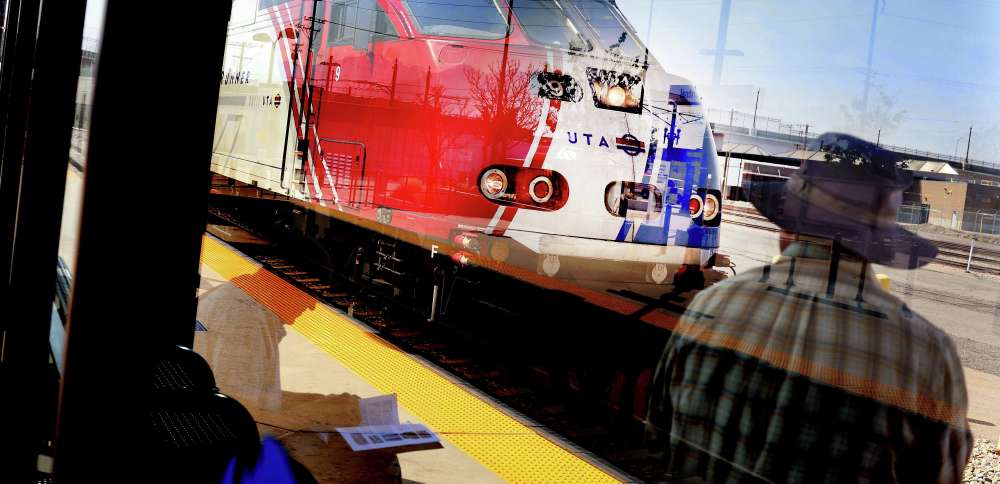
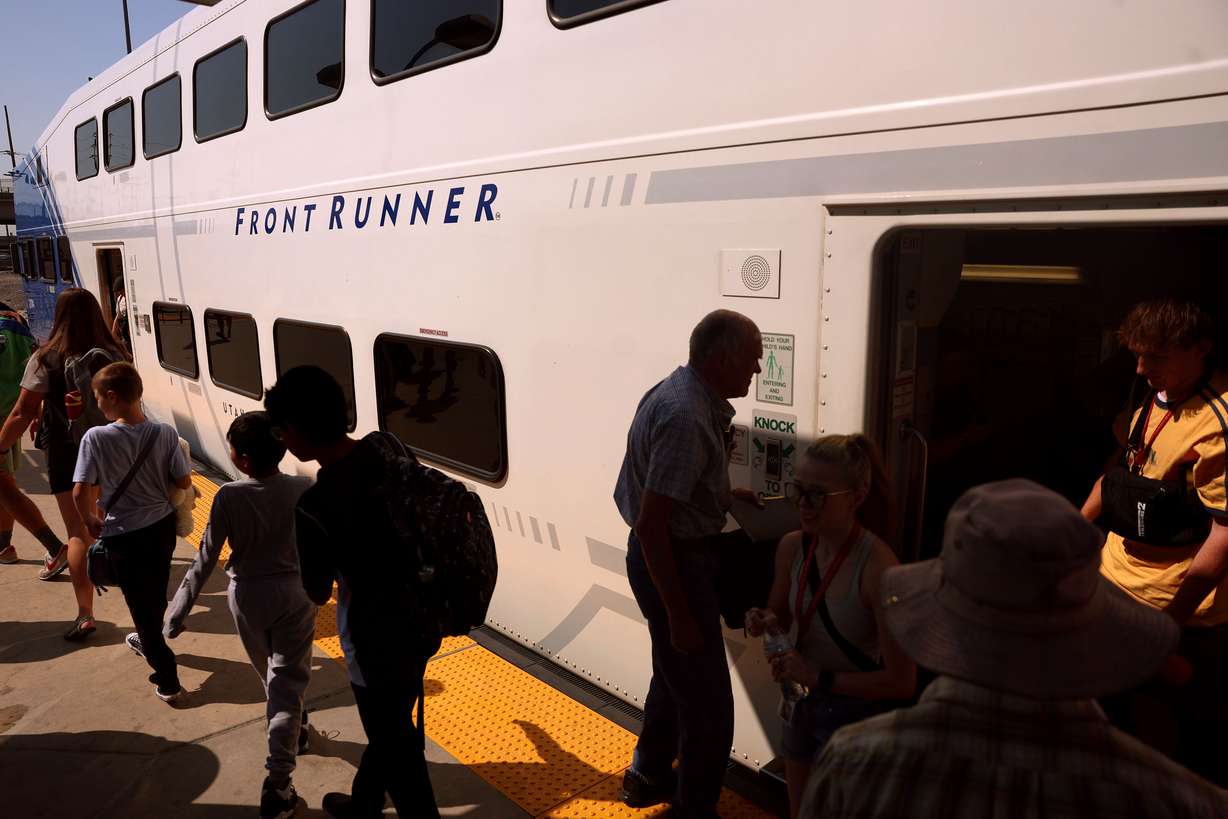
The project, a joint effort between UDOT and Utah Transit Authority, seeks to add a little more than 26 miles of additional track within the existing FrontRunner tracks in 11 locations scattered between Ogden and Provo. A new Bluffdale train station and 10 new trainsets are also included in the project, along with a new maintenance facility.
While there has been some pushback from residents on the Bluffdale station, the project would allow UTA to increase service from 30-minute and 60-minute frequencies to 15-minute and 30-minute frequencies, while also allowing it to operate on Sundays.
All of this would allow for a more "balanced transportation system" that offers alternatives to highways as the Wasatch Front continues to grow, Braceras said.
The project has seemed to resonate with the federal government. Matthew Cahill, the administration's acting deputy, said the agency is committed to "delivering real support for real infrastructure that improves the lives of real Americans," which he believes the project exemplifies.
"As one of the fastest growing areas in the country, meeting this milestone demonstrates how Utah leadership cares about its citizens by investing in transit that will serve the region for generations to come," he said in a statement after the agency allowed the project to advance.
Utah leaders first allocated $300 million to double-track the rails, but have now committed $850 million toward the project. The state also sought as much as $2.4 billion from the federal government for the project.
While the $1.3 billion is less than the maximum request, it's not expected to hamper the project, said Josh Van Jura, UDOT's director of trails and transit. The state will likely work with its federal delegation to seek additional funding sources to complete the remaining dollars needed for the $3.2 billion project, which he said he's confident will happen.
UDOT plans to carry out some preliminary construction, relocating some work tied to canals and other utilities, later this year. It's also able to begin ordering project materials and mapping out initial construction that could begin in 2027, following this week's decision.
"Most importantly, (this decision) allocated the federal cost share to the project," Van Jura said. "It's a huge amount of money that will really bring a transformational and generational project to the citizens of Utah."
Utah recently named Swiss rail giant Stadler, which has a U.S. hub in Utah, as the preferred manufacturer of the new FrontRunner trains. The two are currently negotiating an agreement over 10 hybrid trainsets that would run on diesel and electric power, which would improve speed and air quality from the current locomotives, he added.
A final decision on the full grant is expected as early as next year.
We really need this additional capacity to provide quality transportation services to not only the transit riders, but everybody benefits when we have quality options.
–Josh Van Jura, director of trails and transit for the Utah Department of Transportation
Transportation Secretary Sean Duffy seemed to signal support for the request when he took a ride on the train last year, as part of his meetings with Utah Sen. John Curtis and other state officials over the project. He said the federal government is seeking to make the "right investments" in transportation, and it appeared Utah's systems were "doing it the right way."
UDOT hopes to complete the project by 2030, although that depends on all the funding coming together.
That would make service available well before the 2034 Utah Winter Olympics and Paralympics, which is a big factor in why the state is pushing for the project now, but it would also be a "game-changer" in handling the region's growth now, Jay Fox, UTA's executive director, told KSL in June.
Van Jura agrees.
"The secret is out about Utah," he said. "We really need this additional capacity to provide quality transportation services to not only the transit riders, but everybody benefits when we have quality options."