- Salt Lake City leans toward cutting Hive Pass program after over a decade.
- City officials face tough budget decisions, including a proposed 12.5% tax increase.
- The city still plans to maintain UTA bus routes with 15-minute frequencies and free K-12 passes.
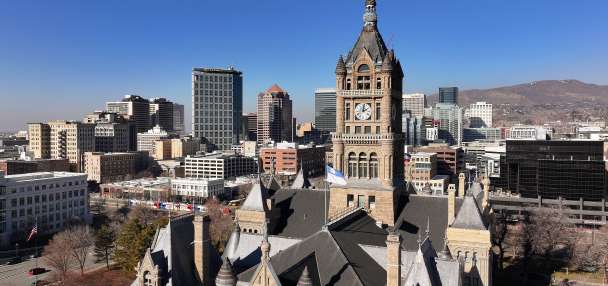
SALT LAKE CITY — Utah's capital city appears likely to cut its program subsidizing Utah Transit Authority passes for residents but keep its agreement that allows for 15-minute frequency for several bus routes in the city.
Members of the Salt Lake City Council met Thursday to hash out final items in its proposed budget, tentatively agreeing to cut the Hive Pass program. Mayor Erin Mendenhall proposed the cut in her nearly $500 million budget proposal released last month.
"I wish we could save it. I think maybe all of us wish we could save it. ... In a budget like the one we have in front of us, we have to make tough decisions, and that might be one of them," said Salt Lake City Council Chairman Alejandro Puy.
Hive Pass began as a pilot program in 2014, and it was ultimately extended. City residents can purchase a pass for $475 a year, which breaks down to $42 per month. By comparison, UTA says its monthly premium pass is $170.
City officials estimate that cutting the program would save approximately $382,900 annually, but it would impact an estimated 400 pass users. A few residents have spoken against the proposed cut in recent City Council meetings.
Those against the cut say the city has struggled to properly advertise the program and that the cut would harm low-income residents. Mike Juarez said it could also backfire with the many new developments being built next to transit stations, which allows for fewer parking spots to encourage transit use.
"Eliminating the pass would harm people who can't afford cars, hinder access to work and will likely increase fare evasions on trains and buses," he said during a meeting on Tuesday, adding that he would like to see the city explore other options, like modest price increases, reducing administrative costs or improving advertising for the program.
Puy and others on the City Council said they have heard similar stories, but they said the program hasn't brought in the type of return on investment that the city had hoped when it launched the program.
It's a "necessary but hard cut," said Councilman Dan Dugan. He suggested that the city work with UTA on other programs or make improvements to the Hive Pass model, citing high administrative costs that plagued the current program.
A final decision won't be made until next week, when the budget is finalized. The cut accounts for some of the more than $13 million that Mendenhall recommended in reductions, which included some layoffs, hiring freezes and subsidy cuts.
She also proposed a 12.5% tax increase, which the City Council may also end up approving.
The City Council can suggest a higher tax raise than what was proposed, but members spent most of Thursday's special meeting discussing ways to be the most efficient with what's considered or reducing it. They said they wanted to lower the blow for higher utility rates that will go into effect to help pay off bonds used for recent required projects.
Other transit programs
Despite the potential cut to the Hive Pass, the city still plans on funding another program that gives bus passes to K-12 students, along with their parents or guardians and school faculty. That is expected to cost the city approximately $214,648, with funding between the general fund, bonds and outside partners.
It also appears poised to extend its agreement with UTA, which pays for extended service and 15-minute frequency among certain routes in the city.
The two sides signed an agreement in 2019 that lasts through 2039, with regular updates to reflect costs and routes. It currently allows for extended and more frequent service for UTA's 1, 2, 9 and 21 routes that run primarily within the city, offering several connection alternatives from Rose Park and Glendale to the west to the University of Utah and Sugar House to the east.
"This does a huge service for a lot of folks in our city who like to transit, who need to take transit," said Lynn Jacobs, Salt Lake City's transportation director, in a meeting on the matter Tuesday.
Jacobs believes the program and other alternative transportation options are likely why state transportation officials found that traffic rose at half the rate of the city core's population growth over the past decade.
Program costs tend to decrease as ridership increases, which has been the case thus far, but the cost of service is also rising with fuel prices, he added. The latest addendum would cost the city $6.2 million, a slight decrease from the expiring one.
Jacobs said other cities have since stepped up to make similar deals with UTA. Dugan said he'd like to see more communities in the valley chip in to help increase services for regional routes in the city, especially ones that reach the university, like the 4, 213 and 223 routes.