- Jamie MoCrazy survived a traumatic brain injury during a 2015 skiing competition.
- She founded MoCrazy Strong Foundation to support brain injury survivors' recovery and resilience.
- Her documentary, #MoCrazyStrong, aims to inspire hope in overcoming life-changing injuries.
SALT LAKE CITY — Jamie MoCrazy will never forget the day more than a decade ago that nearly took her life while doing something she loves and had been training for.
The 33-year-old former X Games athlete is the founder and CEO of the MoCrazy Strong Foundation — an organization she created after surviving a traumatic brain injury.
Her given name is Jamie Crane-Mauzy, but as a child, she was nicknamed "MoCrazy," which is now her legal name. She grew up with a love for winter sports and being on the mountain. Her passion for skiing began when she was young and was sparked by earlier generations in her family.
"My grandmother was a professional ski racer," MoCrazy said. "My family introduced me to skiing as a way to get outside, feel the power of the mountains and push my limits."
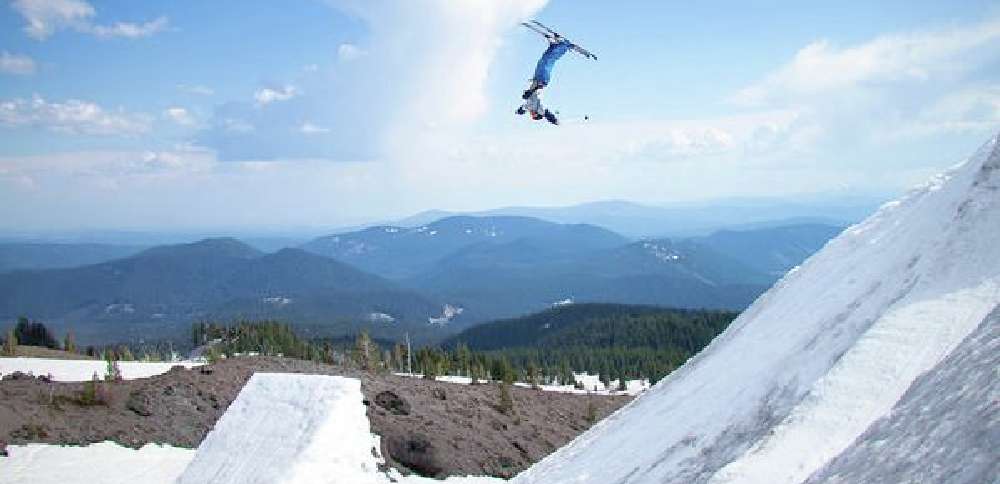
She spent years developing her skills, and in the spring of 2015, MoCrazy competed in the World Tour Finals at the World Ski & Snowboard Festival in Whistler, British Columbia, when she suffered a head injury while attempting a double backflip on her second run.
The crash caused her brain to bleed and fractured her right brain stem, MoCrazy recalled.
"I started convulsing and immediately went into a natural coma," she said. "When I was airlifted to the hospital, my fatality report was written because my injury looked so dire."
Roughly 230,000 Americans suffer from a traumatic brain injury each year who are hospitalized and survive, according to the International Brain Injury Association.
Annually, around 50,000 traumatic brain injuries result in death.
MoCrazy said she knew very little about traumatic brain injuries when her accident occurred, but her mother was pretty knowledgeable about them, as she had been studying early childhood brain development and had just written an article on neuroplasticity.
Still, MoCrazy feels more messaging is needed for survivors of an injury.
"Although preventative care is important, I think immediate knowledge of what to do after sustaining a brain injury is more crucial. Awareness of brain injury is growing in youth sports, but no one wants to discuss it until it happens," she said.
The impacts of a traumatic brain injury can persist long after an accident, causing various physical, cognitive, and behavioral/emotional impairments that can either be temporary or permanent, according to health experts.
MoCrazy spent two months in the hospital; she said the first couple of years after the injury were the most challenging for her. Despite the setback, she again credits her mother for instilling resilience in her in the face of adversity.
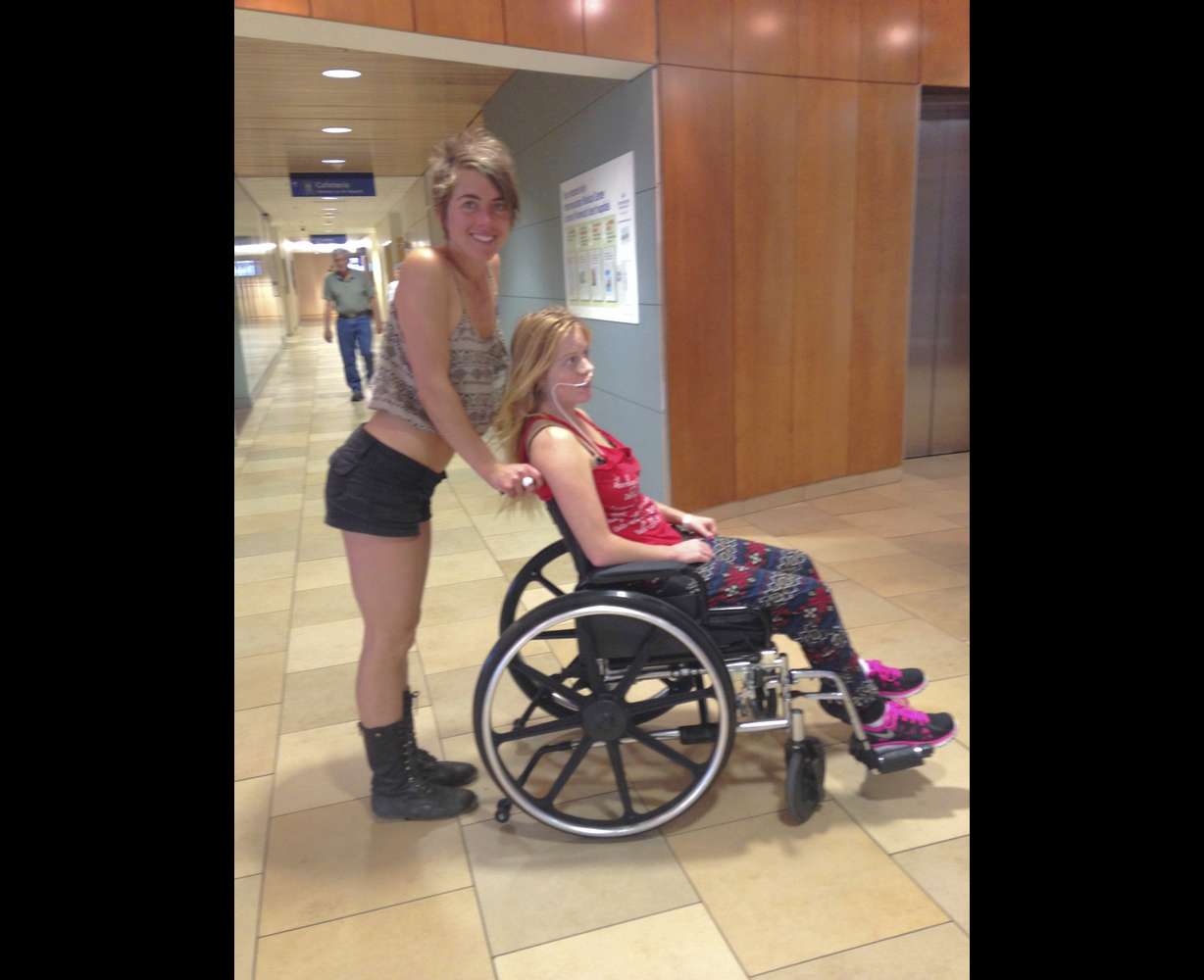
"As a child, my mom taught me a growth mindset: to be my own personal best. This allowed me to 'climb alternative peaks' after I encountered an unexpected trauma," she said. "Throughout my entire recovery, I exemplified a growth mindset. With every failure and challenge I faced, I maintained the mindset that I would find ways to modify and build the life I wanted."
That mindset is part of the inspiration behind the MoCrazy Strong Brain Injury Foundation: Its mission is to help traumatic injury survivors rediscover their value and strength by connecting with different communities via public speaking engagements, events and partnerships.
"People need the opportunities and awareness to understand the possibilities they have for developing a life after a brain injury," MoCrazy said.
From growing up as someone who thrived on competition, whether in school, sports, or hobbies, to enduring an accident that changed everything, MoCrazy today takes pride in sharing her story of loss, recovery, and resilience with people all over the world, she states in a bio on her website.
In addition to uplifting audiences through her "Alive to Thrive" public speaking events, she also co-directed a documentary called #MoCrazyStrong.
Released in 2023, the award-winning film highlights the invisible challenges that survivors of a traumatic brain injury, their families and caregivers endure during recovery.
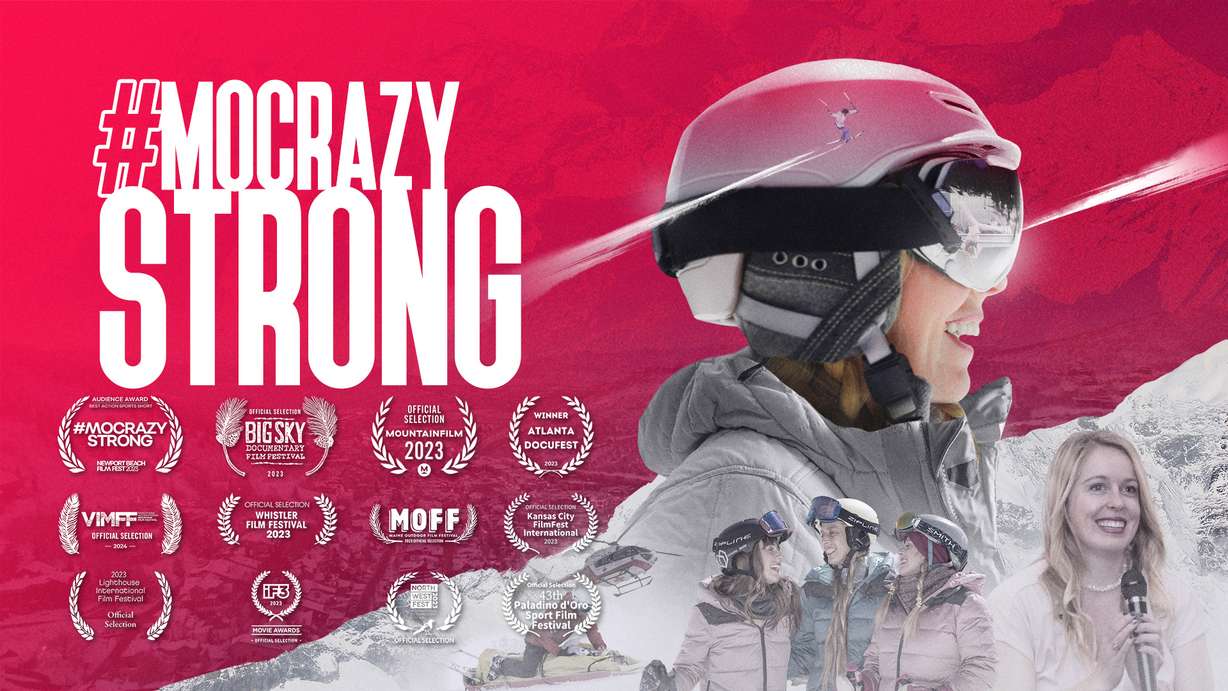
MoCrazy said the goal of the documentary is to inspire viewers to walk away feeling hopeful about creating a "life 2.0" for themselves after a brain injury — though the film's message could be applicable to survivors of various struggles and traumas.
"We've had lots of people, some either directly related or connected to brain injury, and some that aren't connected to a brain injury, say how empowering it is to watch a visual of climbing alternative peaks and getting over life-changing injuries," she said.
The 18-minute documentary is available on Amazon Video. MoCrazy said production is underway on their next film, aptly titled "Climbing Alternative Peaks."
Those interested in attending any of MoCrazy's upcoming events can visit the foundation's website and social media platforms.