- Southwest Utah remains a top growth area, with St. George eighth-fastest growing metro area.
- Cedar City gained 1,582 residents, ranking seventh in numeric growth among micro areas nationwide.
- Utah's top counties saw growth slow, impacted by decreased international migration.
SALT LAKE CITY — Utah's Wasatch Front continues to be the biggest driver in the state's growth, but southwest Utah remains one of the nation's top growing areas in another category.
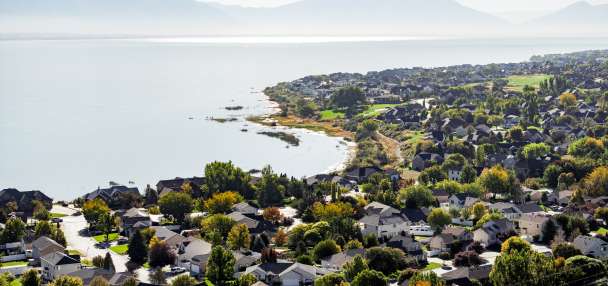
While none of the state's counties placed in the Top 10 in growth last year, St. George was named the eighth-fastest-growing metropolitan area in the U.S., according to county and other localized population estimates released by the U.S. Census Bureau on Thursday.
A similar story played out approximately 50 miles north on I-15.
Cedar City's micropolitan area also landed in the Top 10 among cities of similar sizes. It gained 1,582 new residents from 2024 to 2025, or a gain of 2.4%, which was seventh in numeric growth and sixth in percentage growth among all micro areas in the nation.
Handling a slowdown
The new estimates offer a clearer picture of statewide population trends that the agency unveiled in January, which found that Utah was the country's fifth-fastest-growing state in the U.S. between mid-2024 and mid-2025.
That's despite a slowdown in overall growth that was felt in Utah and nationwide.
Although the data doesn't explain certain trends, Census Bureau officials explained that the slowdown was felt hardest in the country's most populous counties. Only about 20% of the 2,066 counties that grew in 2024 experienced similar growth in 2025, while only 310 of 387 metropolitan areas had slower growth between years, according to the agency.

That's true of Utah's populous and fast-growing counties. Utah County led the state with a net gain of 14,191 residents last year, a 35% drop from 2024. Salt Lake County fell from second in 2024 to third in 2025, as its growth dropped by 78%.
Many metro areas dropped because of lagging international migration, said George Hayward, a demographer for the Census Bureau. Many who come to the U.S. settle in metro areas, but net international migration fell from 2.7 million in 2024 to 1.3 million in 2025.
"With fewer gains from international migration, these types of counties saw their population growth diminish or even turn into loss," he said in a statement.
Related:

Utah's population growth is slowing down. Here's how it compares with other states
Utah's growth is slowing down, but it still remained one of the fastest-growing states in the nation last year.At the same time, the agency said many of the country's most populous counties lost population from people moving to less populous ones.
Salt Lake County, still the state's most populous county, experienced a variation of this. It gained over 4,400 residents from people immigrating to the U.S., but lost over 8,000 from people leaving for other counties or states.
That said, the Census Bureau uses a different set of data points to estimate population trends than the Utah Population Committee, which estimated in December that Utah's most populous county gained nearly double the residents by mid-2025 that the Census Bureau calculated.
Other Utah trends
What both sets agree on is that the Wasatch Front and surrounding counties, as well as southwest Utah, are the state's biggest draws.
In order, Utah, Salt Lake, Washington, Davis and Tooele counties were the Top 5 fastest-growing counties in numeric growth last year, according to the Utah Population Committee. Washington County was second in the Census Bureau's report, but the same five counties were at the top.
Utah County didn't crack the Top 10 in any U.S. growth category, largely because it's become large enough to impact percentage growth, and its gains had nothing on counties across the South and other parts of the West, which dominated last year's list.
Harris County, Texas, led the nation with over 48,500 new residents.
Both datasets also agreed that Tooele County led all 29 Utah counties in percentage growth last year, while Iron County was also near the top of both lists. Both fell well short of Jasper County, South Carolina, which led the nation with a 6% increase last year.
The two reports also found that south-central and northeast parts of Utah experienced a mix of modest growth or slight declines.
The Census Bureau is expected to release even more detailed estimates in May, which will outline population trends within cities and towns throughout the U.S.