'%3e%3cpath%20d='M34.1406%205.85938C30.3906%202.10547%2025.3047%200%2020%200C14.6953%200%209.60938%202.10547%205.85938%205.85938C2.10938%209.61328%200%2014.6953%200%2020C0%2025.3047%202.10547%2030.3906%205.85938%2034.1406C9.61328%2037.8906%2014.6953%2040%2020%2040C25.3047%2040%2030.3906%2037.8945%2034.1406%2034.1406C37.8906%2030.3906%2040%2025.3047%2040%2020C40%2014.6953%2037.8945%209.60938%2034.1406%205.85938ZM37.0117%2023.543H31.1602V13.5391H27.6328V19.9414C28.1211%2020.6914%2028.3711%2021.582%2028.3711%2022.5625V22.625C28.3711%2023.668%2028.1172%2024.6055%2027.6328%2025.4297V26.6094H36.082C33.4883%2032.9375%2027.2891%2037.3789%2020.0039%2037.3789C10.3711%2037.3789%202.62109%2029.6289%202.62109%2020C2.62109%2010.3711%2010.3711%202.62109%2020%202.62109C29.6289%202.62109%2037.3789%2010.3711%2037.3789%2020C37.3789%2021.1484%2037.2617%2022.2656%2037.0508%2023.3477C37.0391%2023.4141%2037.0234%2023.4766%2037.0117%2023.543Z'%20fill='white'/%3e%3cpath%20d='M22.3086%2018.5352C20.4336%2018.125%2019.9531%2017.8398%2019.9766%2017.1836V17.1406C19.9766%2016.6992%2020.3477%2016.2148%2021.4023%2016.2148C22.582%2016.2148%2023.8867%2016.6797%2025.0781%2017.4766L26.8516%2015.0195C25.4453%2013.8906%2023.707%2013.3398%2021.5547%2013.3398C18.5195%2013.3398%2016.4375%2015%2016.4063%2017.4766V17.5352C16.3633%2020.2617%2018.5859%2020.9805%2021.293%2021.6016C23.0391%2021.9766%2023.5703%2022.3164%2023.5703%2022.9609L23.5469%2022.9766C23.5469%2023.3906%2023.2578%2023.7031%2022.7852%2023.8359C22.5742%2023.9062%2022.1289%2023.9727%2021.5156%2023.9727C20.7617%2023.9727%2019.7539%2023.8633%2018.6328%2023.4844C18.0898%2023.2891%2017.4727%2023.0039%2016.8047%2022.6133L20.1406%2026.625C20.2813%2026.6602%2021.0977%2026.8516%2021.7734%2026.8516C25.0039%2026.8516%2027.0859%2025.2461%2027.1094%2022.6328V22.5703C27.1602%2020.1133%2025.2148%2019.1719%2022.3086%2018.5352Z'%20fill='white'/%3e%3cpath%20d='M5.24219%2013.5664V26.6133H8.75391V23.7578L10.2969%2021.9531L14.2031%2026.6133H18.3867L12.3555%2019.5195L17.4023%2013.5664H13.4531L8.75391%2019.0586V13.5664H5.24219Z'%20fill='white'/%3e%3c/g%3e%3cdefs%3e%3cclipPath%20id='clip0_97_2430'%3e%3crect%20width='40'%20height='40'%20fill='white'/%3e%3c/clipPath%3e%3c/defs%3e%3c/svg%3e)


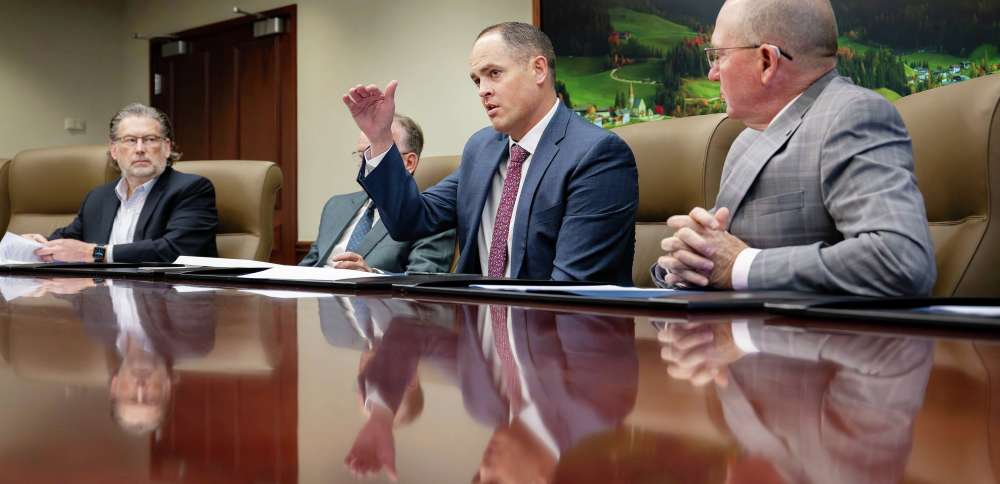
- Utah Gov. Spencer Cox supports a tax on social media companies to protect youth.
- State Sen. Mike McKell is considering an advertising tax following Maryland's example.
- Cox has been vocal about social media's impact, proposing stricter regulations for minors.
SALT LAKE CITY — Utah Gov. Spencer Cox confirmed on Tuesday his interest in levying a tax against social media companies as part of his campaign to take on Big Tech in the name of safeguarding children.
"My priority is protecting young people by ensuring transparency and accountability from large tech companies," Cox said in a statement. "We're carefully evaluating what policies will be most beneficial to Utahns."
The Legislature is likely to consider an "advertising tax" on social media platforms this session if a similar law in Maryland is not struck down, state Sen. Mike McKell told the Deseret News.
Maryland passed a first-of-its-kind tax on digital ad profits in 2021. The tax rate increases from 2.5% to 10% for online advertising services that have annual revenues ranging from $100 million to over $15 billion.
Various social media taxes have been considered over the past five years in at least 15 states across the country. But the only one that has passed, in Maryland, has been caught in litigation over constitutional concerns.
Utah looking at social media tax
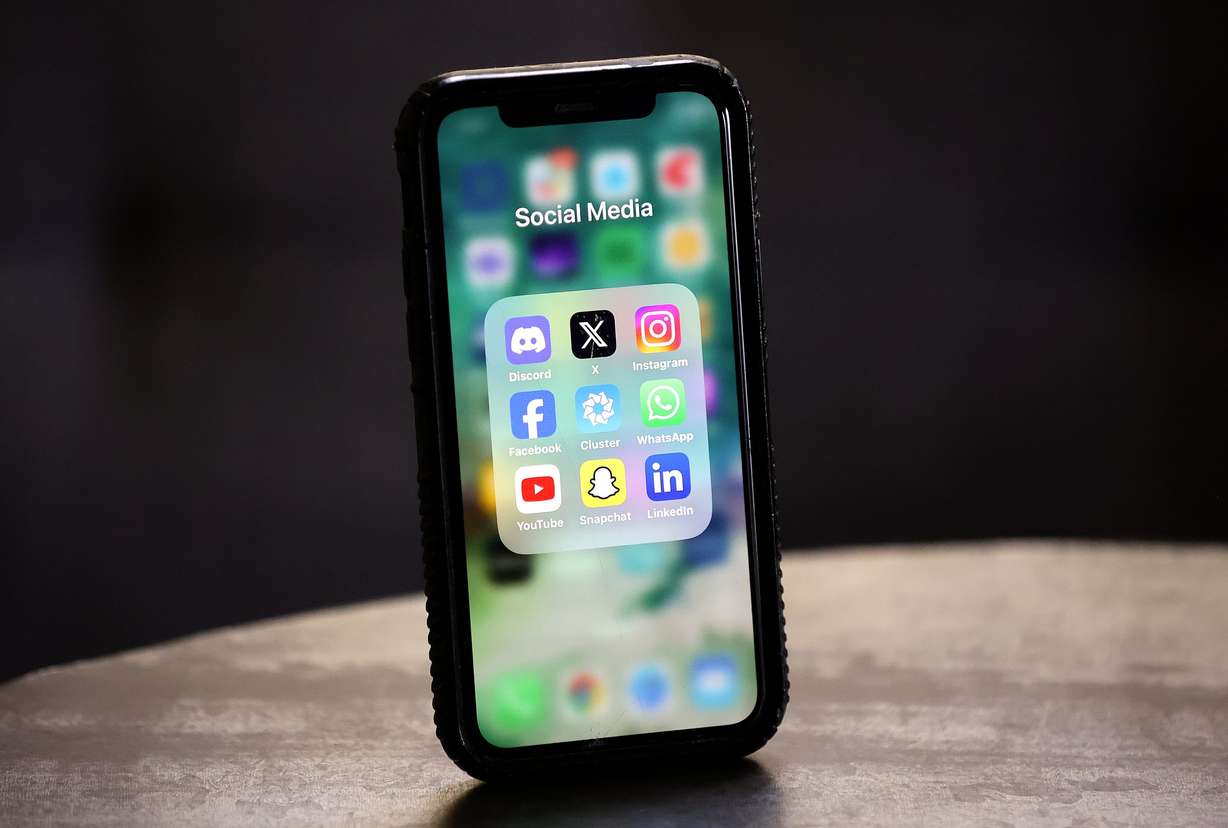
McKell, who serves on the Senate leadership team, and works closely with the governor, said he opened a bill file taking a comparable approach to taxing social media firms but does not want to "get ahead of the courts."
Since its passage, the Maryland bill has attracted multiple lawsuits from Apple, Google and Meta who allege it violates the First Amendment, the Internet Tax Freedom Act, the Constitution's commerce clause and due process.
As the Maryland law moves through the courts, Utah lawmakers will "watch it closely," McKell said. He expects a decision could "arrive any day," and said lawmakers are "certainly considering that as an option" this session.
"We are looking for solutions to hold some of the social media companies accountable to the harms that they've done, and an advertising tax I think is something that we should absolutely explore," McKell, R-Spanish Fork said.
The policy is also being floated at the federal level by Massachusetts Democrat Rep. Jake Auchincloss, who introduced a bill to Congress in December that would create a 50% tax on digital ad revenue over $2.5 billion.
Cox's social media message
Since entering office in 2021, Cox has become one of the most outspoken elected officials in the country condemning social media's impact on youth, launching lawsuits against Big Tech and supporting restricted access for minors.
In 2023, Cox signed a first-of-its-kind bill prohibiting minors from using social media at certain hours, requiring minors to obtain parental consent for social media accounts and letting parents see posts on their child's account.
While this effort has been enjoined in court, Cox has continued to propose increasingly ambitious ways to crack down on social media, including by banning platforms entirely for anyone under 16, as has been done in Australia.
"Social media companies should be held accountable for the real impacts their products have on kids, families, and our civic culture," Cox told the Deseret News. "These platforms wield enormous influence, and with that influence comes responsibility."
Following the assassination of Charlie Kirk in Utah, Cox received national attention — including a high profile call for him to launch a presidential bid — for his claims that social media is "a cancer" and contributes to America's political dysfunction.