Estimated read time: 5-6 minutes
- As on the national level, debate over illegal immigration, moves to curb it and backlash from immigrant advocates intensified in Utah in 2025.
- Immigration agents stepped up action, law enforcement agencies entered into accords to aid them and Utah lawmakers passed legislation targeting criminal immigrants.
- Immigrant supporters, meanwhile, have demonstrated and charged immigrant critics with mischaracterizing the population.
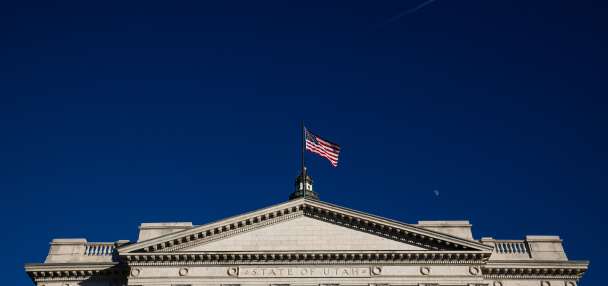
SALT LAKE CITY — The national discourse over immigration this year, a priority issue for President Donald Trump, didn't leave Utah untouched.
Debate, enforcement activity and protesting over the issue intensified in the course of the year. Reps from both sides suggest more of the same may be in store in 2026.
Immigration agents traversed Utah to round up immigrants they say are in the country illegally, while several Utah law enforcement agencies entered into formal accords with Immigration and Customs Enforcement to assist. Earlier this year, Utah lawmakers approved a number of bills meant, most notably, to toughen the penalties immigrants face when they break the law. The Utah National Guard agreed to help out in a supporting role, though not in arresting immigrants.
The Washington Post reported on Wednesday that Salt Lake City is the potential site of a federal processing facility for immigrant detainees, echoing a CNN report last October.

The efforts are about "enforcing the law and doing it in a way that protects citizens here in the state, trying to get the worst offenders off the streets," Gov. Spencer Cox said last July. He had signaled strong support for Trump's efforts ahead of Trump's inauguration to his second presidential term last January.
Riverton Mayor Trent Staggs sounded a similar message last August in announcing plans for the city's police force to increase cooperative efforts with immigration authorities in tracking and detaining immigrants in the country illegally. "By putting federal resources to work here in Riverton, we can better protect our residents, uphold the rule of law and keep our neighborhoods safe from criminal activity," he said in a statement with Riverton Police Chief Shane Taylor.
At the same time, though, the uptick in action has sparked backlash from immigrant advocates, particularly in light of enforcement action targeting immigrants without serious criminal records and others going through the process to normalize their migratory status. Foes of the crackdown spoke for four hours last July against a Utah County Sheriff's Office proposal to enter into a cooperative agreement with Immigration and Customs Enforcement, a plan that was ultimately approved. They marched through the streets of Salt Lake City last June to protest the crackdown, and demonstrated earlier this month outside the U.S. Citizenship and Immigration Services office in the Utah capital against the threat of increased enforcement action inside the facility.

Immigration attorneys — sometimes quietly, sometimes loudly — have stood up in defense of immigrants with a potentially legal basis to remain in the country and advocated for their right to due process in immigration courts. They've also expressed concern with negative characterizations of immigrants put forward by Trump and his backers.
"What concerns me most about the current government approach isn't just policy, it's the false narrative of who immigrants are," said Ysabel Lonazco, a West Valley City immigration attorney. "When we portray immigrants as threats rather than recognizing them as neighbors, co-workers and contributors to our communities, we lose sight of our own story. America has always been a nation of immigrants, and that diversity has been our greatest strength, not our weakness."
She lamented the "dehumanization" of immigrants under Trump, while Nicholle Pitt White, an attorney in Murray, said the president's efforts haven't been focused strictly on immigrants in the country illegally, as advertised.
"He has been aggressive to legal immigration as well, working to denaturalize — take citizenship away — from people who have followed the rules and worked hard to become Americans," Pitt said. "He has paused citizenship applications and oath ceremonies for hundreds, possibly thousands, of others just to be cruel."
Indeed, Carlos Trujillo, a South Jordan immigration attorney, said all immigrants, legal or otherwise, are feeling uneasy. Originally from Venezuela, he's a naturalized U.S. citizen who was advised last April by the U.S. Department of Homeland Security to leave the country or face "potential criminal prosecution."
"The problem is that we all feel attacked, even the ones that are doing the right thing, even the ones that are following the law," Trujillo said.
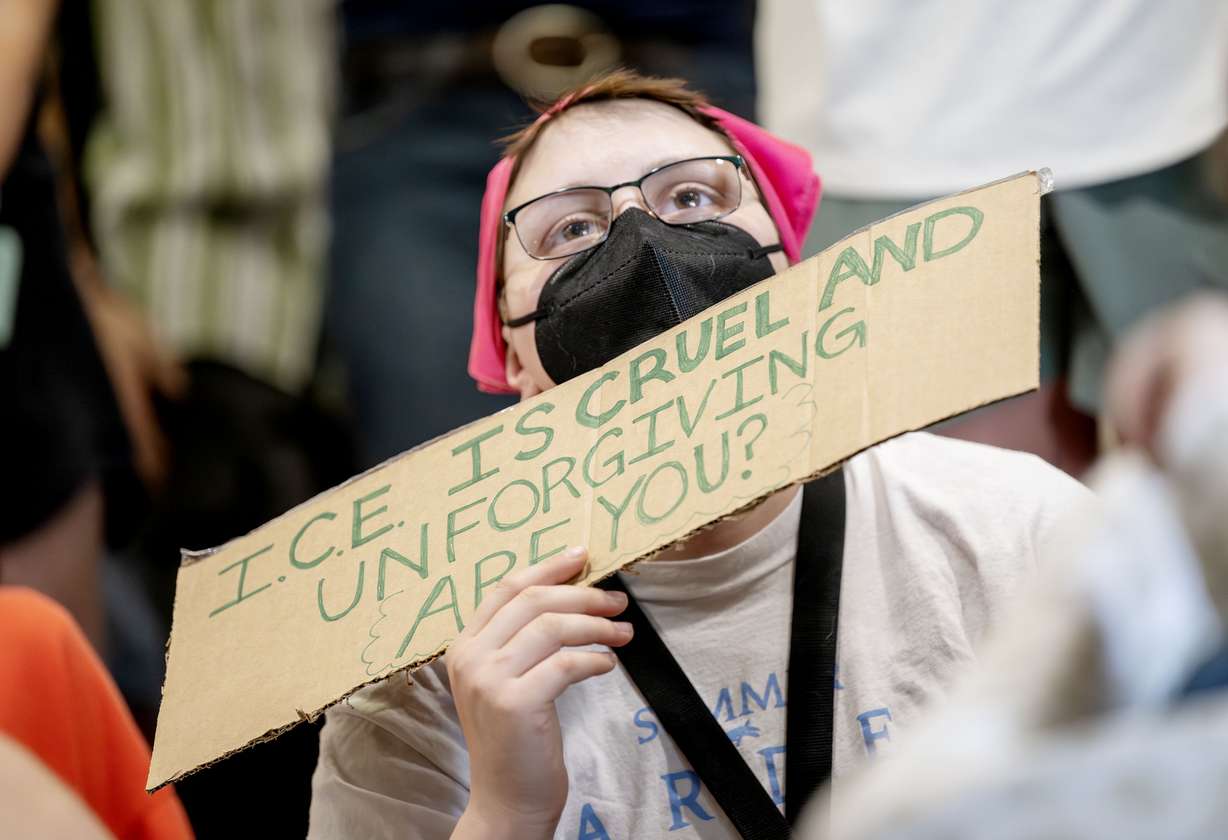
As a result, many immigrants are skittish about going out in public, terrified they may be targeted by immigration agents, Pitt said. At the same time, immigrant advocates are increasingly organizing, Lonazco said, using whistles to sound warnings when immigration agents are present and recruiting supportive business operators to place "No ICE allowed" signs in their front windows.
"Yes, they are nervous. Yes, they are terrified, yet they still show up for work, they still show up for their court hearings, and they are learning about their rights," Lonazco said.
'Making America safe again'
Looking ahead to 2026, the situation may not change much.
In a statement last week, Homeland Security Secretary Kristi Noem lauded what she said have been the advancements under Trump, suggesting more of the same is in store for the coming year.
"Under President Trump's leadership, we are making America safe again and putting the American people first. In record time, we have secured the border, taken the fight to cartels and arrested thousands upon thousands of criminal illegal aliens. Though 2025 was historic, we won't rest until the job is done," Noem said.
Read more:

Voces de Utah
Looking for more news from Utah's Latino community? Visit our Voces de Utah section for more stories, events and features.Similarly, Trujillo is bracing for more from the Trump administration, particularly additional measures that could erode immigrants' rights in federal immigration court.
"I don't see anything that really gives me any hope at the moment that things are going to change for the better," he said. "I do believe that things are going to get worse in many, many ways."

Related stories
Most recent Politics stories
Related topics
 Tim Vandenack