Estimated read time: 2-3 minutes
- Volunteers aim to plant 50,000 trees at the Bear River Massacre site in Idaho this weekend.
- The $14 million restoration project is led by the Northwestern Band of the Shoshone.
- Efforts also focus on ecological restoration and cultural education for younger generations.
PRESTON, Idaho — A sacred site, once taken and turned into cattle grazing pastures, is now being restored to its natural state, thanks to hundreds of volunteers and what has now become a $14 million effort led by the Northwestern Band of the Shoshone Nation. Federal grants, along with many individual and corporate donors, have funded the work thus far.
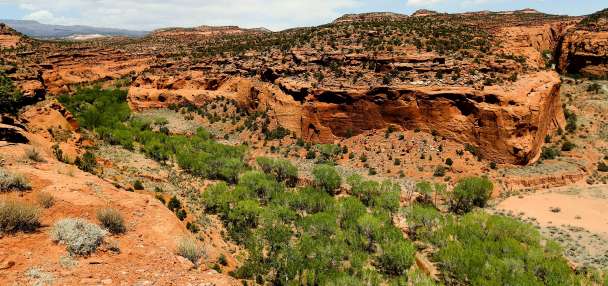
The Bear River Massacre site, where as many as 500 Shoshone — many of them women and children — were killed in 1863, is undergoing a major transformation. Tribal leaders said the land, which was once rich with wetlands, vegetation, and wildlife, is being returned to its original form — not just to honor the past, but to heal it.
"Our ancestors are still buried here," said Brad Parry, vice chairman of the Northwestern Band of the Shoshone Nation. "It would have been wetlands, you know, it would have had plants and trees and vegetation for things for us to eat."
Parry called the restoration the most important project the tribe is currently undertaking. Volunteers are helping plant tens of thousands of trees and native plants, with a goal of eventually reaching 300,000.
"We have about 12,000 delivered today," Parry said. "We're still waiting on another 48,000 to get here."

The work is more than ecological — it's cultural. Parry said projects like this are vital for teaching younger generations about Shoshone heritage.
"This is the best way for us to teach our culture, is to do these things, like, to have projects like this," he said."

Biologists from Bio-West in Logan are helping guide the restoration, which includes reintroducing wetlands and rebuilding cottonwood forests.
"We're going to have a really diverse wildlife community," said Bob Thomas, a biologist with the consulting firm. "By the time the cottonwood forests reach their maturity, I probably won't be alive anymore."

Still, the long-term vision is clear: to create a landscape that reflects thousands of years of Shoshone history and use.
"They're very committed to allowing this landscape to heal and grow back into what would have been here at the time of the massacre, and for thousands of years before that," Thomas added.
One pond that was restored last year, represents efforts to allow the Bear River and surrounding wetlands to flow freely again, no longer supporting livestock but instead nurturing native species and cultural memory.

"We want to beautify it," Parry said. "So our ancestors who are here can recognize it."
Donations can also be made by sponsoring a tree*, and at the tribe's website for the Wuda Ogwa Cultural and Land Restoration Project.
*KSL.com does not assure that the money deposited to the account will be applied for the benefit of the persons named as beneficiaries. If you are considering a deposit to the account, you should consult your own advisors and otherwise proceed at your own risk.