'%3e%3cpath%20d='M34.1406%205.85938C30.3906%202.10547%2025.3047%200%2020%200C14.6953%200%209.60938%202.10547%205.85938%205.85938C2.10938%209.61328%200%2014.6953%200%2020C0%2025.3047%202.10547%2030.3906%205.85938%2034.1406C9.61328%2037.8906%2014.6953%2040%2020%2040C25.3047%2040%2030.3906%2037.8945%2034.1406%2034.1406C37.8906%2030.3906%2040%2025.3047%2040%2020C40%2014.6953%2037.8945%209.60938%2034.1406%205.85938ZM37.0117%2023.543H31.1602V13.5391H27.6328V19.9414C28.1211%2020.6914%2028.3711%2021.582%2028.3711%2022.5625V22.625C28.3711%2023.668%2028.1172%2024.6055%2027.6328%2025.4297V26.6094H36.082C33.4883%2032.9375%2027.2891%2037.3789%2020.0039%2037.3789C10.3711%2037.3789%202.62109%2029.6289%202.62109%2020C2.62109%2010.3711%2010.3711%202.62109%2020%202.62109C29.6289%202.62109%2037.3789%2010.3711%2037.3789%2020C37.3789%2021.1484%2037.2617%2022.2656%2037.0508%2023.3477C37.0391%2023.4141%2037.0234%2023.4766%2037.0117%2023.543Z'%20fill='white'/%3e%3cpath%20d='M22.3086%2018.5352C20.4336%2018.125%2019.9531%2017.8398%2019.9766%2017.1836V17.1406C19.9766%2016.6992%2020.3477%2016.2148%2021.4023%2016.2148C22.582%2016.2148%2023.8867%2016.6797%2025.0781%2017.4766L26.8516%2015.0195C25.4453%2013.8906%2023.707%2013.3398%2021.5547%2013.3398C18.5195%2013.3398%2016.4375%2015%2016.4063%2017.4766V17.5352C16.3633%2020.2617%2018.5859%2020.9805%2021.293%2021.6016C23.0391%2021.9766%2023.5703%2022.3164%2023.5703%2022.9609L23.5469%2022.9766C23.5469%2023.3906%2023.2578%2023.7031%2022.7852%2023.8359C22.5742%2023.9062%2022.1289%2023.9727%2021.5156%2023.9727C20.7617%2023.9727%2019.7539%2023.8633%2018.6328%2023.4844C18.0898%2023.2891%2017.4727%2023.0039%2016.8047%2022.6133L20.1406%2026.625C20.2813%2026.6602%2021.0977%2026.8516%2021.7734%2026.8516C25.0039%2026.8516%2027.0859%2025.2461%2027.1094%2022.6328V22.5703C27.1602%2020.1133%2025.2148%2019.1719%2022.3086%2018.5352Z'%20fill='white'/%3e%3cpath%20d='M5.24219%2013.5664V26.6133H8.75391V23.7578L10.2969%2021.9531L14.2031%2026.6133H18.3867L12.3555%2019.5195L17.4023%2013.5664H13.4531L8.75391%2019.0586V13.5664H5.24219Z'%20fill='white'/%3e%3c/g%3e%3cdefs%3e%3cclipPath%20id='clip0_97_2430'%3e%3crect%20width='40'%20height='40'%20fill='white'/%3e%3c/clipPath%3e%3c/defs%3e%3c/svg%3e)


- The IOC lifted restrictions on Russian athletes competing in the 2028 Olympics.
- Russia's flag and anthem remain under review despite the decision.
- IOC President Kirsty Coventry emphasized athletes shouldn't be penalized for government actions.
SALT LAKE CITY — Restrictions against Russia's participation in the Olympics, including those put in place after the country's 2022 invasion of Ukraine, have now been lifted by the International Olympic Committee.
That opens the door for Russian athletes to compete in the 2028 Summer Games in Los Angeles as members of their country's team, although the use of Russia's flag and national anthem remains under review.
Russians had only been allowed at the past two Olympics as individual "neutral" athletes after being vetted to ensure they did not support the war against Ukraine. Similar restrictions on athletes from Belarus, a Russian ally, were removed in May.
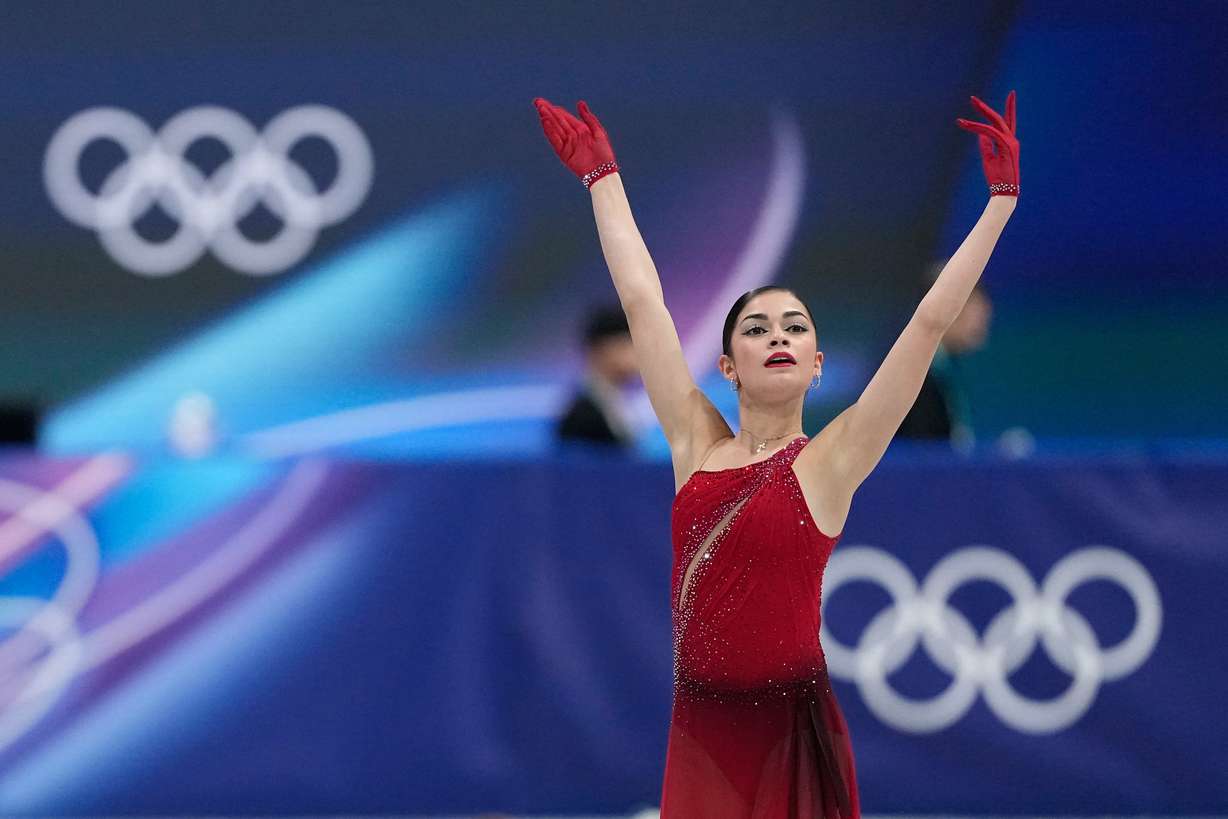
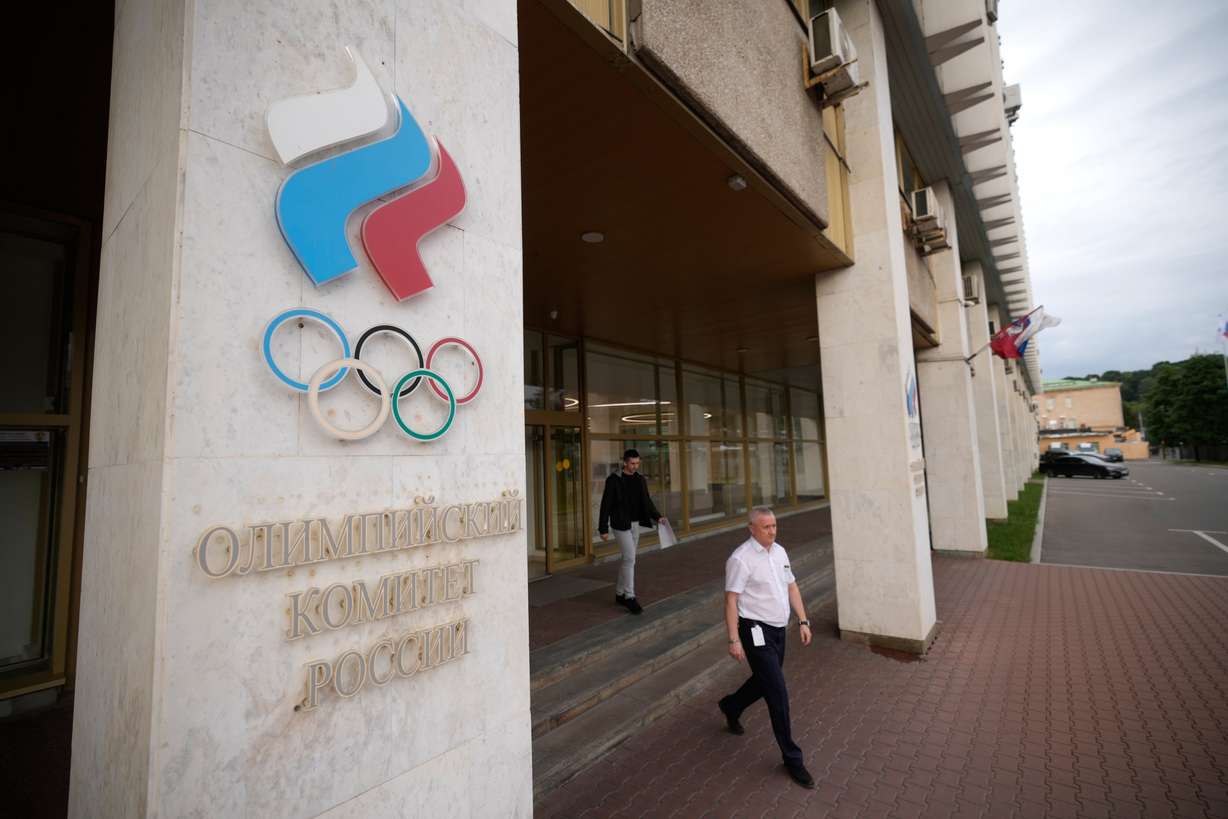
The decisions made Tuesday by the IOC Executive Board also included a provisional end to the suspension of the Russian Olympic Committee imposed by the IOC in 2023 over issues related to the ongoing war in Ukraine.
So what's the reason behind the shift?
"We wanted to make sure all athletes have the possibility to compete at the Olympic Games and not be held responsible for their government's actions," IOC President Kirsty Coventry told reporters.
Coventry, a double Olympic champion swimmer from Zimbabwe who was elected the IOC's first woman and first African president last year, offered a personal perspective as someone who competed for a country that has long dealt with conflict.
"I don't believe athletes should pay the price," she said. "I wouldn't be sitting here if I had to pay the price when my country was going through things and being sanctioned."
A recently adopted policy intended to strengthen the IOC's position on political neutrality set a "new strategic direction on where we want to go," Coventry said, and allowed its leaders to clarify a way for all athletes to compete.
The new policy, enshrined in the Switzerland-based organization's governing charter by the full membership at a special session last month, states the IOC's role is "to apply neutrality at all times, free from governmental, cultural, societal or economic pressure."
Coventry said Tuesday's IOC Executive Board decision "allows for Russian athletes to take part in sport competitions, but we've been very clear that we do not condone any violence and war around the world. We will continue with that stance."
The IOC's call for an Olympic Truce among warring countries during a Games has been routinely adopted by the United Nations for decades. It dates back to Ancient Greece, when "ekecheiria" ensured safe passage for athletes and spectators at the original Olympics.
At the start of the war in Ukraine, the IOC "strongly" condemned Russia for breaching the Olympic Truce during the 2022 Winter Games in Beijing. Days later, the IOC called for athletes from Russia and Belarus to be barred from competing, a stance that was later modified.
But after the U.S. and Israel launched a war against Iran earlier this year ahead of the start of the Paralympics portion of Italy's 2026 Winter Games, the IOC made a point of issuing a statement spelling out it's not responsible for the enforcement of the Olympic Truce.
The "statement on athletes' safe passage" declares the IOC has "no means of enforcing the implementation of the (United Nations) resolution. We recognize that this is entirely in the remit of the U.N. system and outside the remit of the IOC."
Coventry said the IOC continues to support Ukraine, and that all Olympic competitors are to be selected "based not only on the sports performance but also their ability to serve as role models who respect, uphold and promote a peaceful society through sport."
She said that's "strong enough leverage" to continue to prevent the participation of athletes who promote Russia's war. The monitoring of Russian athlete activities by Ukraine's national Olympic committee is also a key source of information, an IOC director, James Macleod, said.
Russian officials are still not invited to attend the Olympics under the new policy, nor are any events to be held in that country. Russia's anti-doping program, which led to previous restrictions, will also be subject to international oversight, the IOC said.
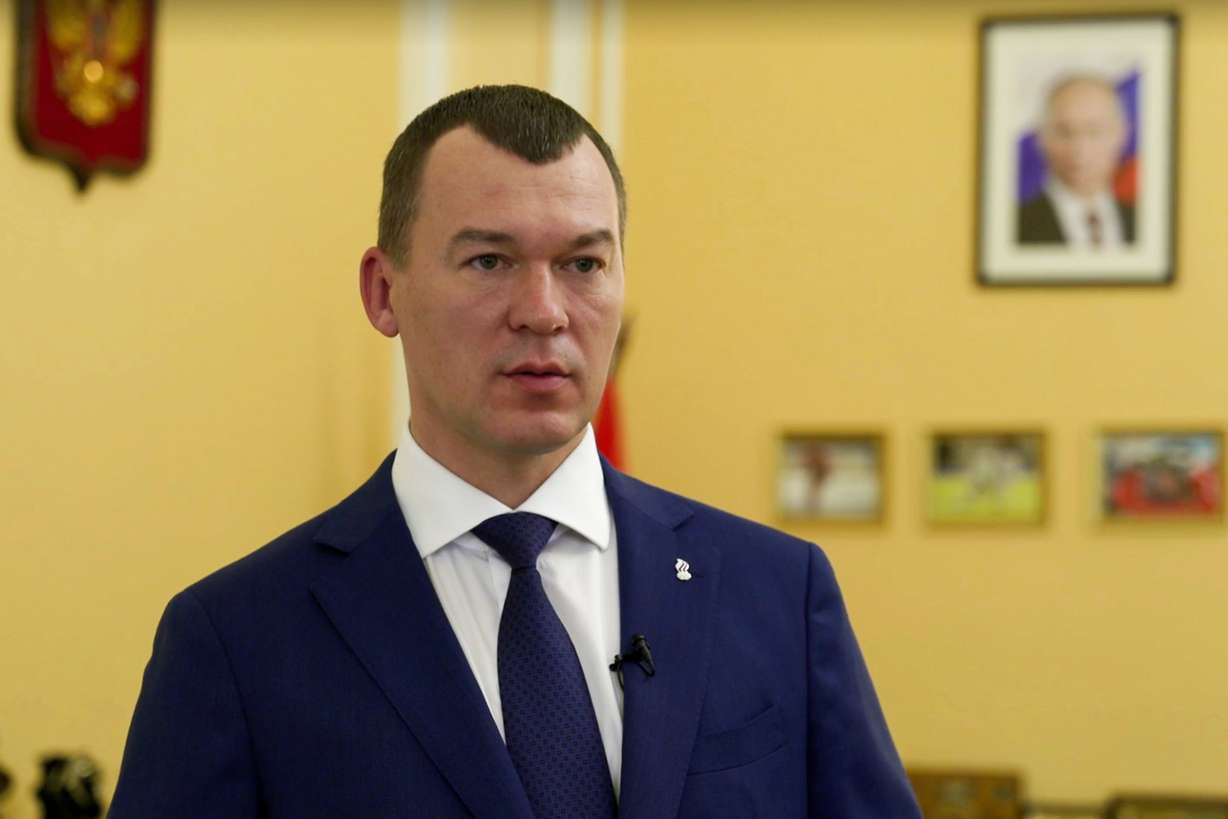
Still, a Krelim spokesman welcomed the decision, according to The Associated Press.
"It is an important step toward reinstating our athletes' legitimate rights to participate in international competitions," Dmitry Peskov said. "Work will continue through our sports authorities. They are conducting this work constantly and consistently; this work will continue."
Peskov added that "now, it's very important that all our athletes have the opportunity to compete in major international events."
Ukraine officials posted an image on social media with the word "SHAME" superimposed on the Olympic rings as a response to the IOC's actions.