Estimated read time: 3-4 minutes
- Researchers from Utah State University urge lawmakers to address Utah's environmental challenges including water management.
- Lt. Gov. Deidre Henderson praised proactive approaches blending science and policy for decision-making.
- The report highlights improving air quality and opportunities to expand clean energy production.
SALT LAKE CITY — Utah State University researchers are urging state lawmakers to take a closer look at Utah's environmental challenges, from getting more water to the Great Salt Lake to managing the onslaught of proposals for data centers.
Their annual report to the governor and legislature also points to encouraging developments, including improving air quality and opportunities to expand clean energy production.
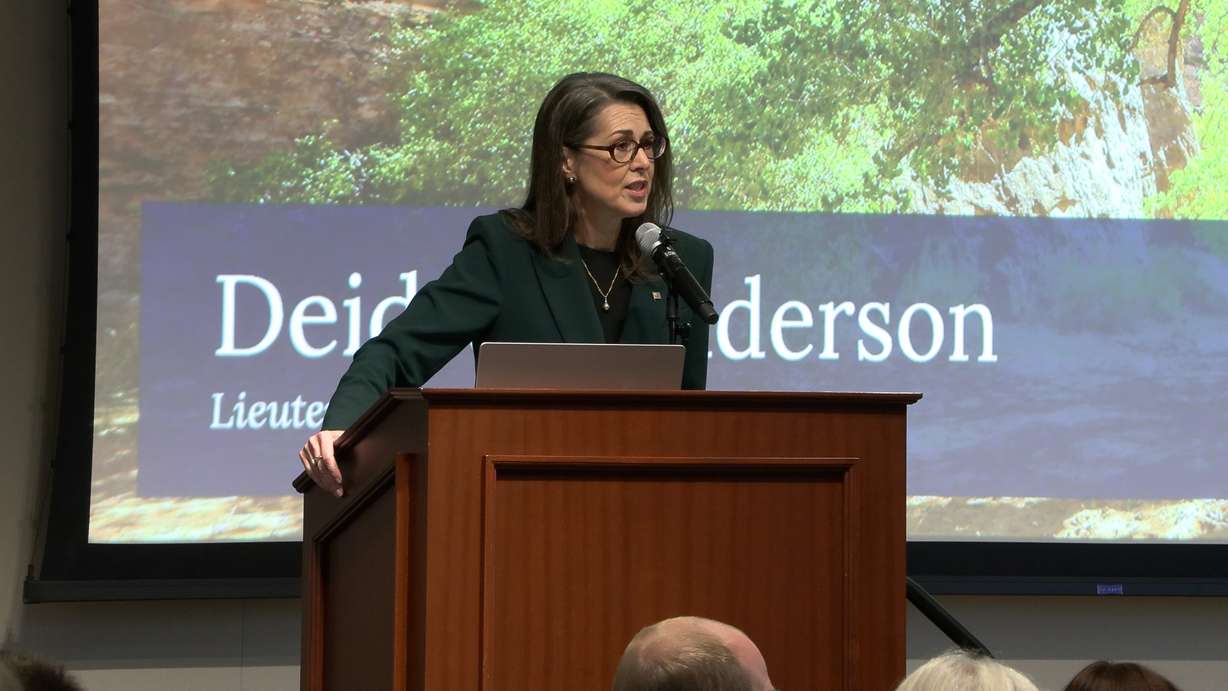
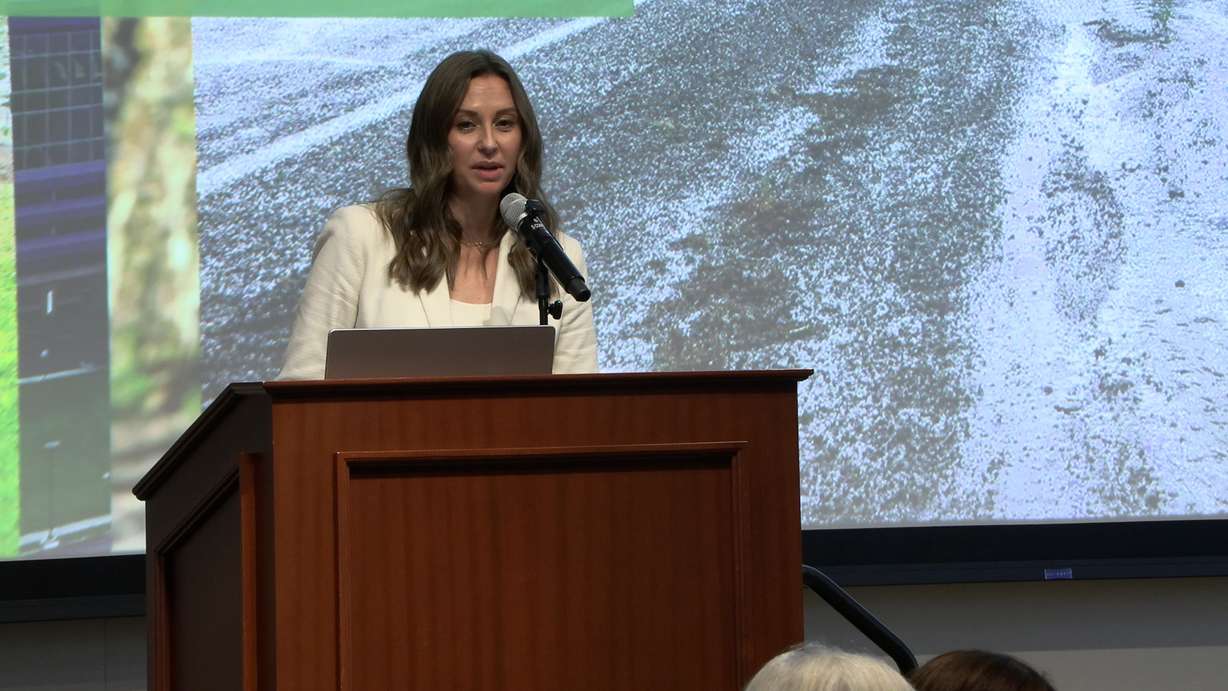
Addressing the room, filled with about a couple hundred stakeholders, Lt. Gov. Deidre Henderson lauded the researchers' efforts.
"We have to be proactive," she said. "We have to blend science and policy in order to make good decisions. And that's what this report does. That's what the Institute does. And that's what the leaders here in this room have been doing. And it's so incredibly important. "
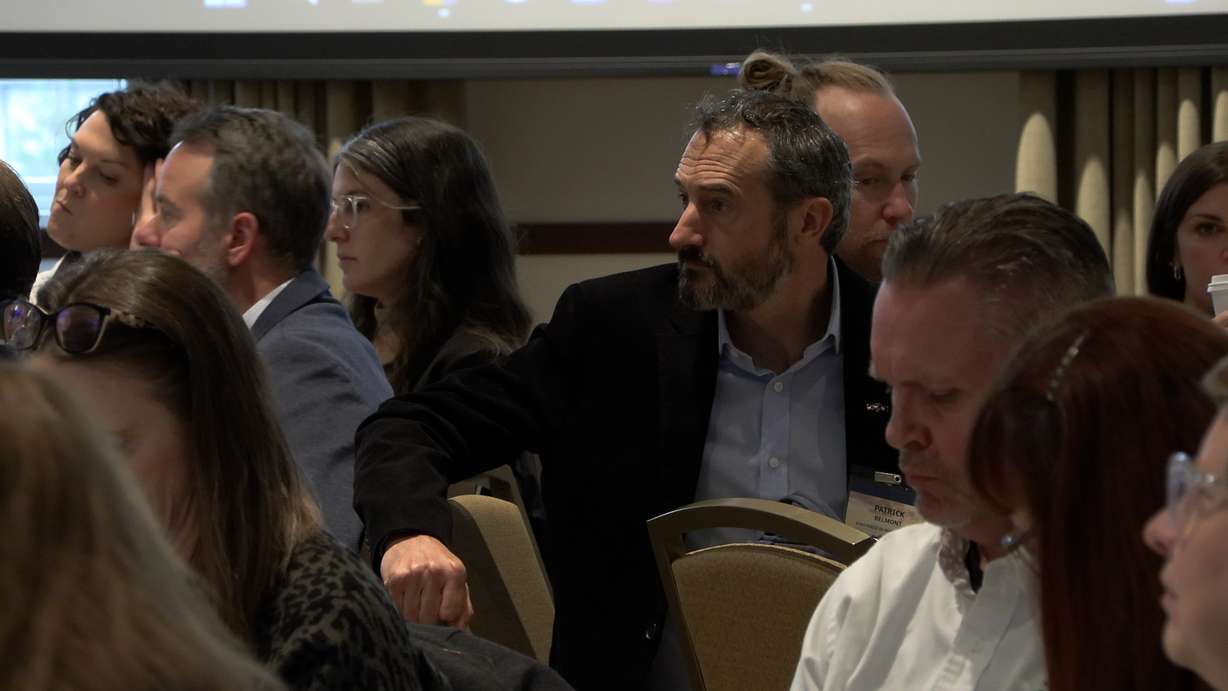
The future of the Great Salt Lake remains a major concern for many who attended the conference, including Patrick Belmont, a newly elected independent state representative with a background in environmental sciences as a professor at USU.
"The lake is worse off now than it was seven years ago when we started this process," Belmont said.
He wants lawmakers to examine whether spending is delivering results.
"We really need to have a hard look at where we're spending that money, make sure we're not throwing good money after bad," Belmont said. "Make sure we're putting it in places that are going to really get water to the lake."
The report from USU's Janet Quinney Lawson Institute for Land, Water and Air brings together a year of research to help inform environmental advocates, lawmakers and business leaders.
Anna McEntire, the institute's executive director, said a lack of spring snow contributed to a difficult 2026 for Utah.
"That created drought, which then yielded wildfires, challenges for our agricultural producers," McEntire said. "2026 was a rough year for lots of people in the state."
Those pressures underscore the need for more precise management of Utah's natural resources, she said.
"We hope that we'll see a winter full of snow," McEntire explained. "But if we don't, we really need to be more precise with how we utilize our water resources, how we think about air, what we are thinking about, our water quality, wildfire, and making sure that that makes sense."
This year's report also includes a new section dedicated to data centers, examining how lawmakers can address their demands on water and energy.
"If we are going to have data centers in the state," McEntire said, lawmakers need to be able to set legislation that "provides positive outcomes for water, energy and the other things that we care about within the state."
Despite those concerns, researchers said Utah's air quality continues to improve, even as its population and power production grow.
They also see opportunities to expand clean energy. Currently, the vast majority of the geothermal power production in Utah is sold to customers in California.
Researchers hope the report will help guide policies and laws to improve environmental conditions across the state.