
Estimated read time: 4-5 minutes
- The BLM is rounding up 500 wild horses near Dugway to manage herd size.
- The goal is to maintain a healthy balance between horses and the habitat.
- Some animal advocacy groups oppose these actions, citing cruelty concerns and legal challenges.
DUGWAY, Tooele County — Jan Drake likes taking people into Utah's West Desert to see wild horses.
She's been around horses her whole life, and she still gets a kick out of watching somebody else see them out on the range.
"It's part of the American West, you know?" she said. "That's what they are. It's pretty amazing when people get to see the wild horses in the wild."
For as much as she loves the horses and their independence, though, she also admits the herd could use a little help.
"We want to make sure the horses are healthy and they can stay on the range," she said.
2026 Cedar Mountain Gather Fact Sheet
That's where the Bureau of Land Management comes in.
This week, the BLM was rounding up wild horses in the Cedar Mountain Herd Management Area near Dugway.
A helicopter flies near the horses to get them running into chutes, which lead into a corral.
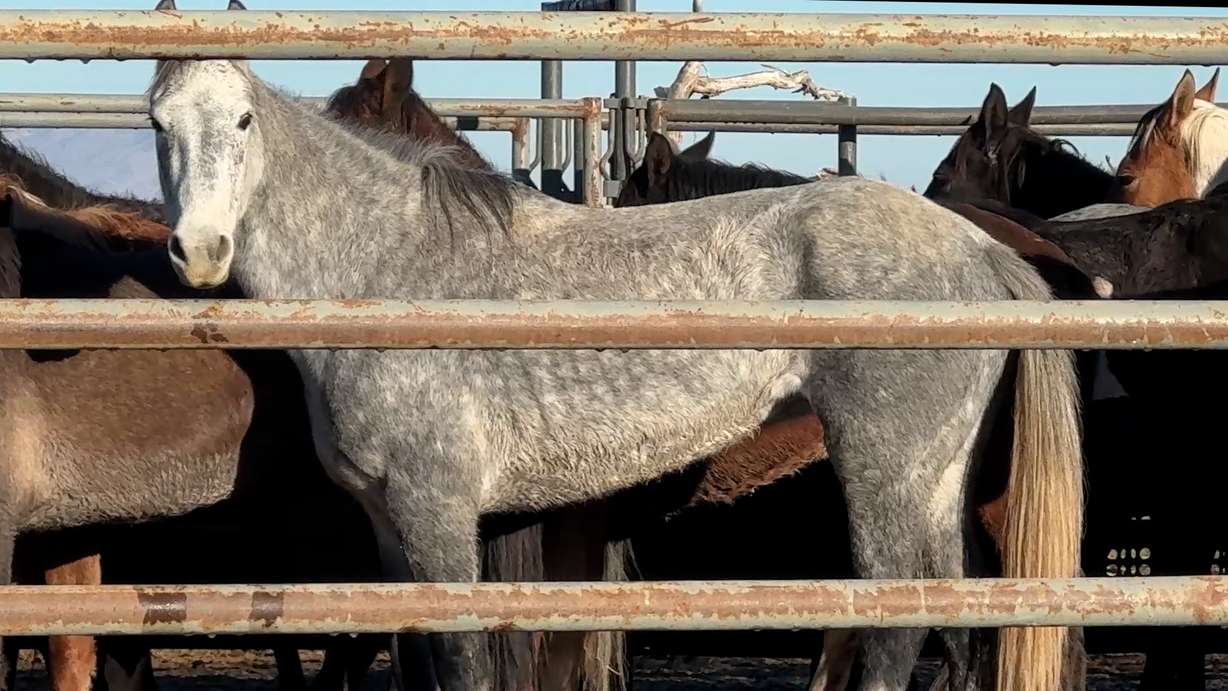
Chad Hunter, who leads the BLM's wild horse and burro program in Utah, said the goal is to remove about 500 horses from a herd the BLM estimates at about 660.
The agency believes the land can sustain a healthy herd of between about 200 and 400 horses.
"It's to help to bring the horse numbers in balance with the habitat that's out here," said Hunter. "We want to make sure that we have healthy animals and healthy rangelands. We have got to make sure there's a balance there. With the drought and all of the conditions out here and the higher number of horses, that's important that we remove some of these horses to keep everything healthy."
Horses taken off the range get food and water at a temporary holding site.
From there, the BLM takes them to corrals near Delta and Axtell, where veterinarians examine them before the agency prepares them for adoption or other placements.
"We love nothing better (than) to see somebody adopt a horse and just see him progress and have that bond and that connection," said Hunter.
Drake, who is the executive director of Wild Horses of the West, works with the BLM to give mares birth control by dart.
She said there are four people doing that work across a herd of hundreds, so they've concentrated on one area.
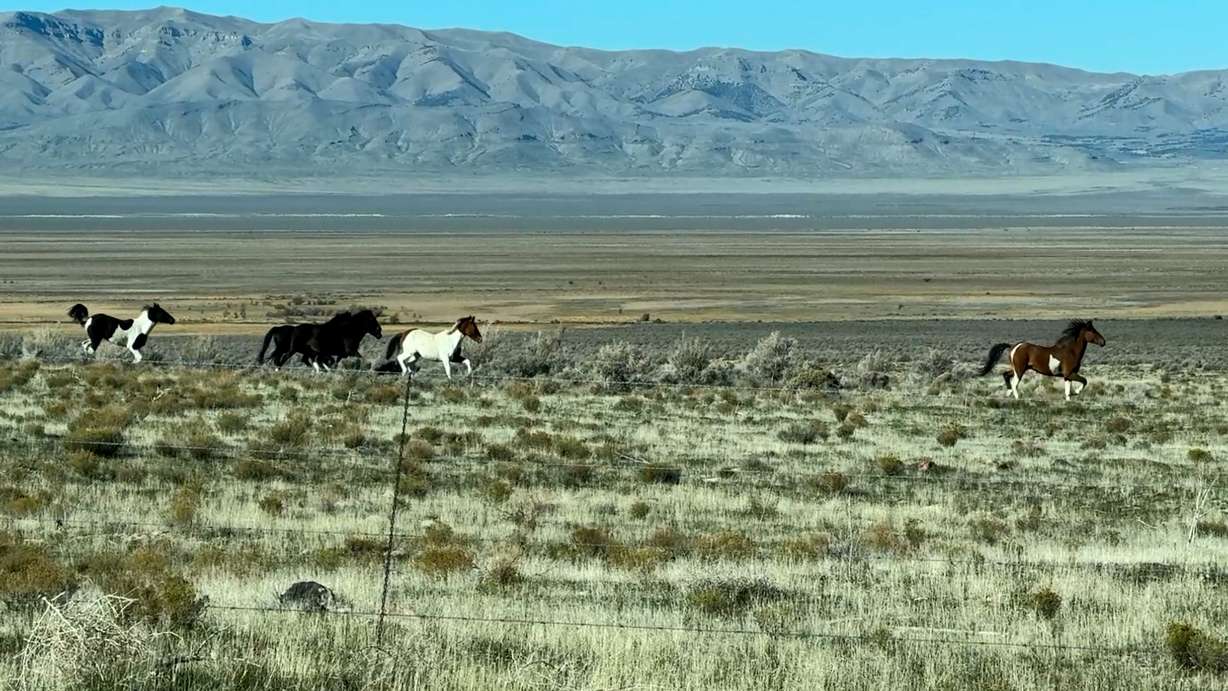
"We got that one pretty much covered with the appropriate number of mares to have fertility control, but still leave some to have babies to keep the genetic pool going," said Drake.
Some animal advocacy groups believe the roundups and sterilization efforts are cruel and inhumane, and have filed lawsuits in the past to stop the BLM's plans.
Tami Howell, a BLM wild horse and burro specialist, feels doing nothing with the herd would make conditions worse for the horses.
"We would see a decline in body condition with the animals, and then we'll see deterioration of the range as well," said Howell.
Hunter feels the same way.
"When numbers get too high, and the forage becomes too small, then these horses can lose body condition. Their health can go down, and we can lose them out on the range," he said. "Mother Nature isn't always nice."
The BLM said rugged terrain and the difficulty of getting close enough to the Cedar Mountain horses limit how many mares can be treated, and it has been a few years since a roundup here has taken place.
"I think it's been about four years since we were out here, and the numbers of horses double about every 4 to 5 years. So it's important that we use this as one of our management tools," said Hunter. "I have been involved with wild horses and burros for over 50 years. I love to take my kids out and see them. That's the whole point, is that we continue to manage these horses and that they're here for generations to come."
Drake wants people to be able to keep making that trip, too.
"It's important to me to keep the wild horses wild and to keep them on the range," she said, "but in numbers that they can be healthy and sustain them."