'%3e%3cpath%20d='M34.1406%205.85938C30.3906%202.10547%2025.3047%200%2020%200C14.6953%200%209.60938%202.10547%205.85938%205.85938C2.10938%209.61328%200%2014.6953%200%2020C0%2025.3047%202.10547%2030.3906%205.85938%2034.1406C9.61328%2037.8906%2014.6953%2040%2020%2040C25.3047%2040%2030.3906%2037.8945%2034.1406%2034.1406C37.8906%2030.3906%2040%2025.3047%2040%2020C40%2014.6953%2037.8945%209.60938%2034.1406%205.85938ZM37.0117%2023.543H31.1602V13.5391H27.6328V19.9414C28.1211%2020.6914%2028.3711%2021.582%2028.3711%2022.5625V22.625C28.3711%2023.668%2028.1172%2024.6055%2027.6328%2025.4297V26.6094H36.082C33.4883%2032.9375%2027.2891%2037.3789%2020.0039%2037.3789C10.3711%2037.3789%202.62109%2029.6289%202.62109%2020C2.62109%2010.3711%2010.3711%202.62109%2020%202.62109C29.6289%202.62109%2037.3789%2010.3711%2037.3789%2020C37.3789%2021.1484%2037.2617%2022.2656%2037.0508%2023.3477C37.0391%2023.4141%2037.0234%2023.4766%2037.0117%2023.543Z'%20fill='white'/%3e%3cpath%20d='M22.3086%2018.5352C20.4336%2018.125%2019.9531%2017.8398%2019.9766%2017.1836V17.1406C19.9766%2016.6992%2020.3477%2016.2148%2021.4023%2016.2148C22.582%2016.2148%2023.8867%2016.6797%2025.0781%2017.4766L26.8516%2015.0195C25.4453%2013.8906%2023.707%2013.3398%2021.5547%2013.3398C18.5195%2013.3398%2016.4375%2015%2016.4063%2017.4766V17.5352C16.3633%2020.2617%2018.5859%2020.9805%2021.293%2021.6016C23.0391%2021.9766%2023.5703%2022.3164%2023.5703%2022.9609L23.5469%2022.9766C23.5469%2023.3906%2023.2578%2023.7031%2022.7852%2023.8359C22.5742%2023.9062%2022.1289%2023.9727%2021.5156%2023.9727C20.7617%2023.9727%2019.7539%2023.8633%2018.6328%2023.4844C18.0898%2023.2891%2017.4727%2023.0039%2016.8047%2022.6133L20.1406%2026.625C20.2813%2026.6602%2021.0977%2026.8516%2021.7734%2026.8516C25.0039%2026.8516%2027.0859%2025.2461%2027.1094%2022.6328V22.5703C27.1602%2020.1133%2025.2148%2019.1719%2022.3086%2018.5352Z'%20fill='white'/%3e%3cpath%20d='M5.24219%2013.5664V26.6133H8.75391V23.7578L10.2969%2021.9531L14.2031%2026.6133H18.3867L12.3555%2019.5195L17.4023%2013.5664H13.4531L8.75391%2019.0586V13.5664H5.24219Z'%20fill='white'/%3e%3c/g%3e%3cdefs%3e%3cclipPath%20id='clip0_97_2430'%3e%3crect%20width='40'%20height='40'%20fill='white'/%3e%3c/clipPath%3e%3c/defs%3e%3c/svg%3e)




- Salt Lake City Council members express concerns over Sinclair's proposed Westline Connect pipeline.
- The pipeline could lower gas prices but poses risks to water safety.
- Sinclair pledges to meet safety standards but faces public and council skepticism.
SALT LAKE CITY — HF Sinclair officials say they believe a proposed pipeline that would deliver thousands of gallons of refined gasoline daily through Salt Lake City on its way between Wyoming and Davis County can "meet and exceed" any water safety standards.
However, after listing all the neighborhoods, parks, water sources and many other sensitive sites that the proposed pipeline would go through underneath the city, members of the Salt Lake City Council expressed their skepticism and concerns.
"I'm having a hard time thinking of a route that would hit more consequential sites than that," said Councilman Chris Wharton during one particularly tense moment during an informational meeting about the project.
In the end, the city leaders said they have more questions than answers after the nearly two-hour meeting, Salt Lake City Council Chairman Alejandro Puy told KSL afterward.
City leaders also issued a joint statement, asserting there were "no compelling benefits" provided during the meeting.
"The concerns are not diminishing; the concerns are growing," he said.
The Westline Connect pipeline
There are still many questions about Sinclair's proposed Westline Connect pipeline, which seeks to add 35,000 additional barrels of refined gas to the Western market.
The pipeline would run from Wyoming to either storage tanks near refineries in North Salt Lake or for transfer to pipelines that carry product west to Nevada and California, aiming to take out any volatility in the gas market.
It would bring more types of transportation fuels into the Utah market, easing constraints on the Pioneer Pipeline, as it continues to operate at full capacity, said Jeremy Price, senior government affairs manager for HF Sinclair.
"The Westline Connect project will provide resiliency to Salt Lake's transportation fuel system and reduce price volatility when demand exceeds supply," he said, calling it a "game-changer," especially for diesel fuel, which has hit all-time high costs this year.
It could help lower prices by 30-40 cents per gallon during spikes in prices, the company estimates.
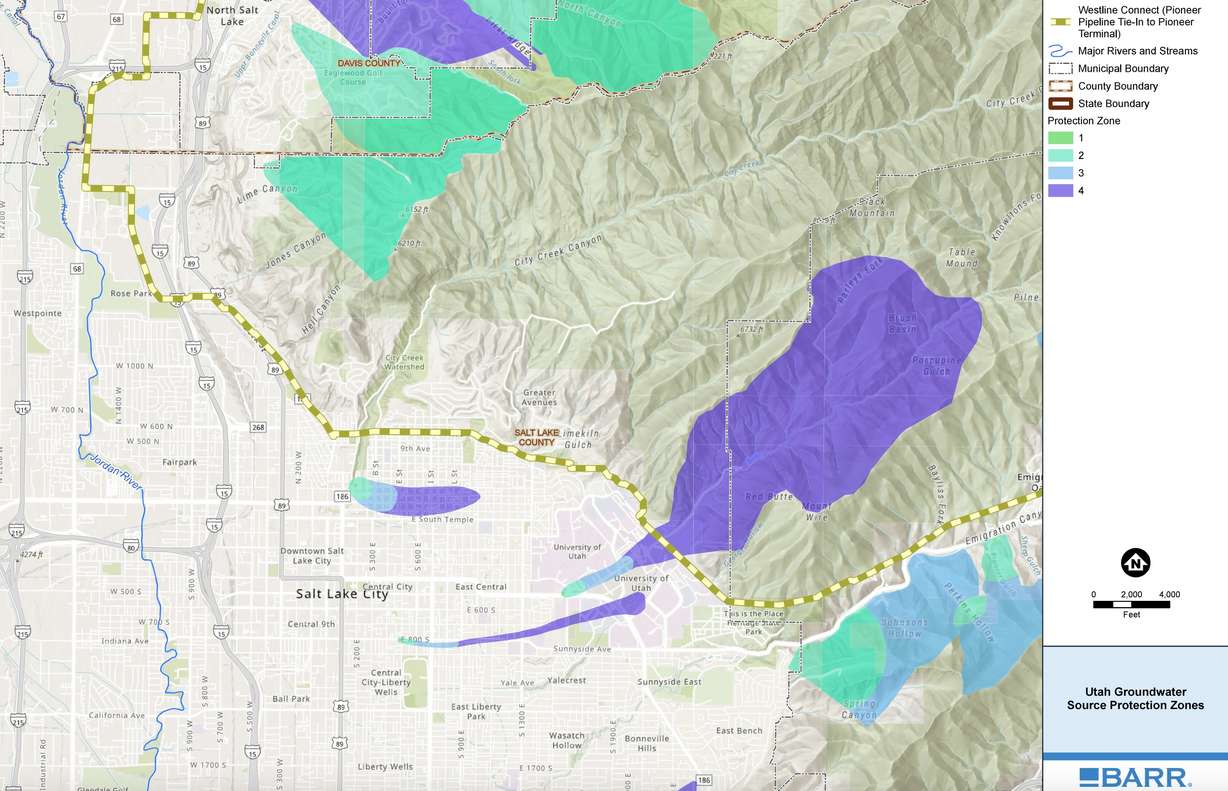
The final route has not yet been finalized, but the "more preferable" option would take it through Emigration Canyon, along the University of Utah at the foothills and through Upper Avenues before reaching the west side at Rose Park and eventually Davis County, according to plans the company shared with the city.
Company officials said it's considered the best route because it follows existing infrastructure, including the Chevron pipeline in the area.
Construction could begin in 2028, with a goal to complete the pipeline in 2029, depending on approvals, Price said.
Public pushback
The plan has already sparked concerns in Emigration Canyon after Sinclair presented it in a meeting last month.
Fears brought up there have been echoed over the past few Salt Lake City Council meetings. Several residents have urged leaders to reject the pipeline cutting through Utah's capital city.
Many said the risk to Emigration Canyon's watershed, which flows into Salt Lake City, is not worth the amount of gasoline, which they believe would likely not affect gas supply or prices.
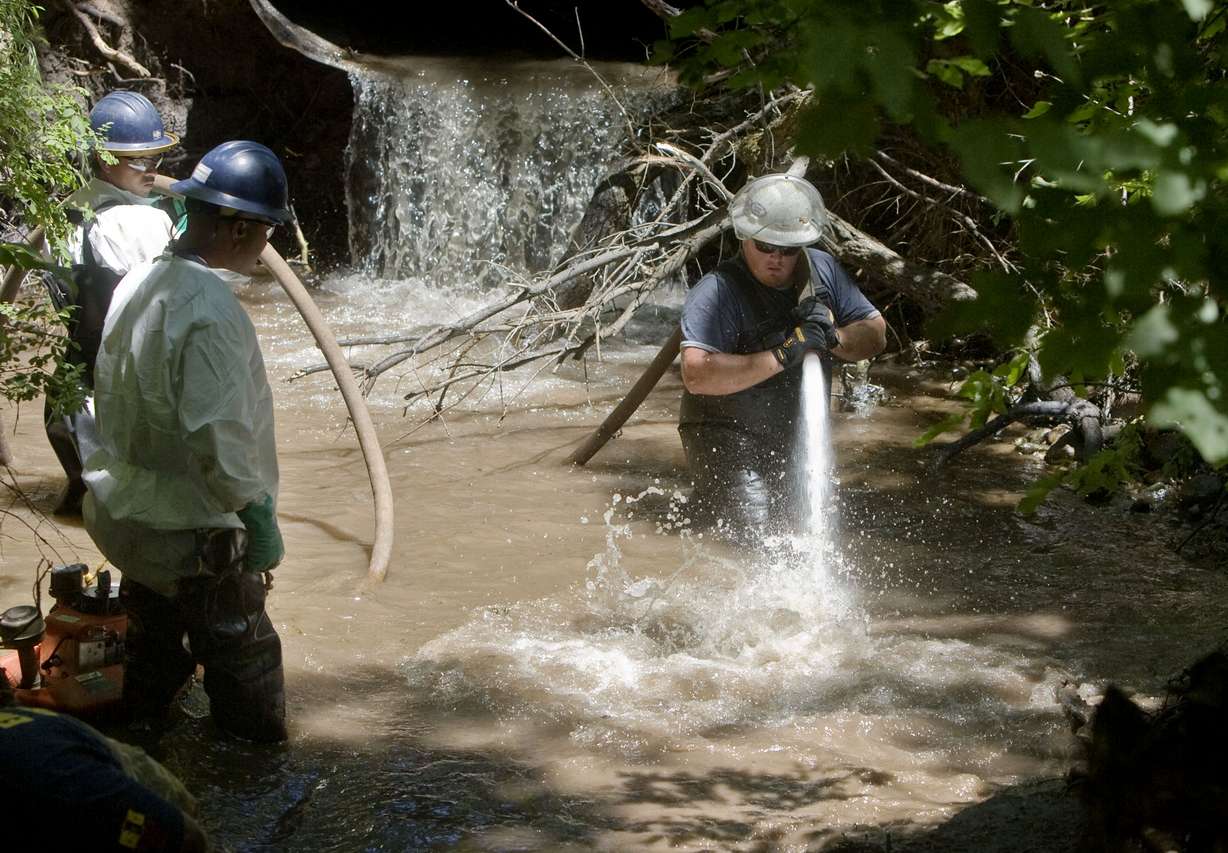
They referenced a pair of leaks from the Chevron line in 2010 as their chief concern.
Approximately 33,600 gallons of crude oil ended up in the Red Butte Creek and Liberty Park pond, causing environmental impacts and an extensive cleanup. Chevron ultimately agreed to pay $4.5 million as part of a settlement in 2011.
"All Salt Lake City should be alarmed by the proposal. … We simply cannot allow that kind of risk to our water supply," said Dr. Brian Moench, founder of the Utah Physicians for a Healthy Environment, during last week's meeting.
A gasoline leak would be "way worse" because fuel would go into the groundwater and contaminate soils, and the cleanup would be trickier, said Stephen Otterstrom, who is running unopposed for House District 21 in Salt Lake City, during a Sept. 22 meeting.
That's why he said it's vital for the city to "get out in front of this."
"We are downstream," he said. "It's important that Salt Lake City be sure that it makes its case and that it stands in opposition to this because I see this as something that is very likely to go turn into something bigger in the months to come."
Seeking to meet requirements
Salt Lake City leaders are tasked with considering an ordinance that would permit Sinclair's request, since permitting rules and regulations have drastically changed since the Chevron pipeline was built in the 1950s.
When asked about these concerns, Price said Sinclair is ready to "meet and exceed" any water safety requirements pushed at them from the state and federal government.
The company says technology has improved since then, and leaks can be spotted and the pipeline can be shut down much faster than before. It will be done safely or not done at all, Price reiterated, when pressed about how safety will be carried out.
"We strongly believe that we can do this project safely, responsibly and reliably using the best practices and standards in today's federal requirements and industry standards," he said. "We can protect Salt Lake City's drinking water sources with this project."
However, sharing the Chevron route — along with past pipeline incidents in and out of state — appeared to strike a nerve with city leaders, as they weigh the pros and cons of the request.
This is not going to be an easy process ... but ultimately we want to (decide) on facts.
–Salt Lake City Council Chairman Alejandro Puy
The best intentions don't mean there's no risk, Wharton said. Councilwoman Sarah Young requested data on past pipeline spills, including dates and volumes released, as well as the environmental impacts of those and any penalties imposed.
"I appreciate you have a goal, but you also have a history," she said. "That history plays into the risks we are looking at here as a city, and that's information that I think needs to be transparent for the folks who are considering this."
Concerns were also brought up over how much of the gasoline actually remains in the Salt Lake market, versus others in the West.
The next steps
Sinclair is willing to meet with Salt Lake City over its concerns in the future, Price said.
It's also willing to consider other routes, but he stopped short of saying it will consider a route that doesn't include the city, when asked about that potential, if residents don't want the pipeline.
"We're looking to collaborate. We're looking to get information from you," he said. "If there's an opportunity that you'd like to engage with us on an individual basis, we'd love to do that."
The more information, the better during the process, because the costs saved at the pump may not be worth the price of impacts, Puy said. Water remains the chief concern, but it also wants to make sure a final decision isn't made from a higher government level, too, since the city oversees the water and infrastructure.
City leaders plan to send Sinclair a list of formal questions from Tuesday's meeting. Puy wouldn't say whether the city could end up in litigation since planning is so early in the process, but he is hoping for more "good faith conversation."
"This is not going to be an easy process ... but ultimately we want to (decide) on facts," he said. "We want the facts to (supported) by the experts."