'%3e%3cpath%20d='M34.1406%205.85938C30.3906%202.10547%2025.3047%200%2020%200C14.6953%200%209.60938%202.10547%205.85938%205.85938C2.10938%209.61328%200%2014.6953%200%2020C0%2025.3047%202.10547%2030.3906%205.85938%2034.1406C9.61328%2037.8906%2014.6953%2040%2020%2040C25.3047%2040%2030.3906%2037.8945%2034.1406%2034.1406C37.8906%2030.3906%2040%2025.3047%2040%2020C40%2014.6953%2037.8945%209.60938%2034.1406%205.85938ZM37.0117%2023.543H31.1602V13.5391H27.6328V19.9414C28.1211%2020.6914%2028.3711%2021.582%2028.3711%2022.5625V22.625C28.3711%2023.668%2028.1172%2024.6055%2027.6328%2025.4297V26.6094H36.082C33.4883%2032.9375%2027.2891%2037.3789%2020.0039%2037.3789C10.3711%2037.3789%202.62109%2029.6289%202.62109%2020C2.62109%2010.3711%2010.3711%202.62109%2020%202.62109C29.6289%202.62109%2037.3789%2010.3711%2037.3789%2020C37.3789%2021.1484%2037.2617%2022.2656%2037.0508%2023.3477C37.0391%2023.4141%2037.0234%2023.4766%2037.0117%2023.543Z'%20fill='white'/%3e%3cpath%20d='M22.3086%2018.5352C20.4336%2018.125%2019.9531%2017.8398%2019.9766%2017.1836V17.1406C19.9766%2016.6992%2020.3477%2016.2148%2021.4023%2016.2148C22.582%2016.2148%2023.8867%2016.6797%2025.0781%2017.4766L26.8516%2015.0195C25.4453%2013.8906%2023.707%2013.3398%2021.5547%2013.3398C18.5195%2013.3398%2016.4375%2015%2016.4063%2017.4766V17.5352C16.3633%2020.2617%2018.5859%2020.9805%2021.293%2021.6016C23.0391%2021.9766%2023.5703%2022.3164%2023.5703%2022.9609L23.5469%2022.9766C23.5469%2023.3906%2023.2578%2023.7031%2022.7852%2023.8359C22.5742%2023.9062%2022.1289%2023.9727%2021.5156%2023.9727C20.7617%2023.9727%2019.7539%2023.8633%2018.6328%2023.4844C18.0898%2023.2891%2017.4727%2023.0039%2016.8047%2022.6133L20.1406%2026.625C20.2813%2026.6602%2021.0977%2026.8516%2021.7734%2026.8516C25.0039%2026.8516%2027.0859%2025.2461%2027.1094%2022.6328V22.5703C27.1602%2020.1133%2025.2148%2019.1719%2022.3086%2018.5352Z'%20fill='white'/%3e%3cpath%20d='M5.24219%2013.5664V26.6133H8.75391V23.7578L10.2969%2021.9531L14.2031%2026.6133H18.3867L12.3555%2019.5195L17.4023%2013.5664H13.4531L8.75391%2019.0586V13.5664H5.24219Z'%20fill='white'/%3e%3c/g%3e%3cdefs%3e%3cclipPath%20id='clip0_97_2430'%3e%3crect%20width='40'%20height='40'%20fill='white'/%3e%3c/clipPath%3e%3c/defs%3e%3c/svg%3e)


- The Holy Trinity Cathedral in Salt Lake City plans renovations following an earthquake in 2020.
- The project, costing between $16-$18 million, involves seismic upgrades and interior changes.
- Funding includes government grants and donations; $1 million raised so far.
SALT LAKE CITY — A 5.7-magnitude earthquake damaged multiple buildings in and around Salt Lake City on March 18, 2020. Among them was the Holy Trinity Cathedral of the Greek Orthodox church, which has stood at the corner of 300 South and 300 West for more than a century.
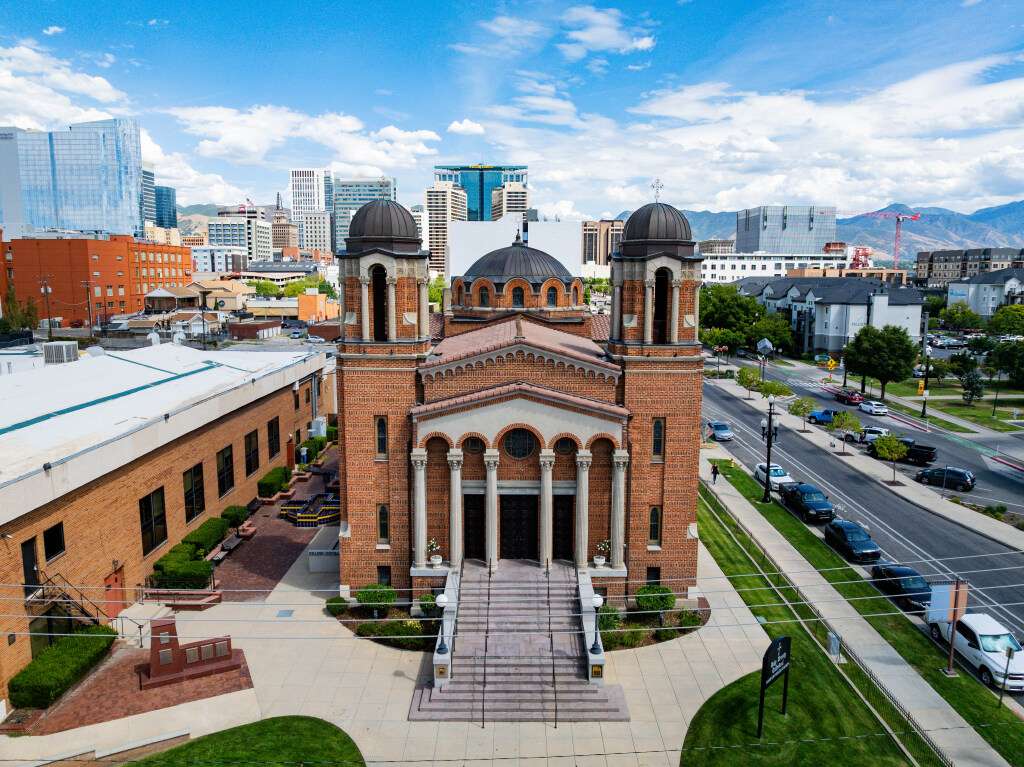
The cathedral's exterior survived the worst of the quake, though George Karahalios, parish council president at Holy Trinity Cathedral, said the bell towers at the front of the building had undergone seismic upgrades before the quake hit.
The interior was not so lucky.
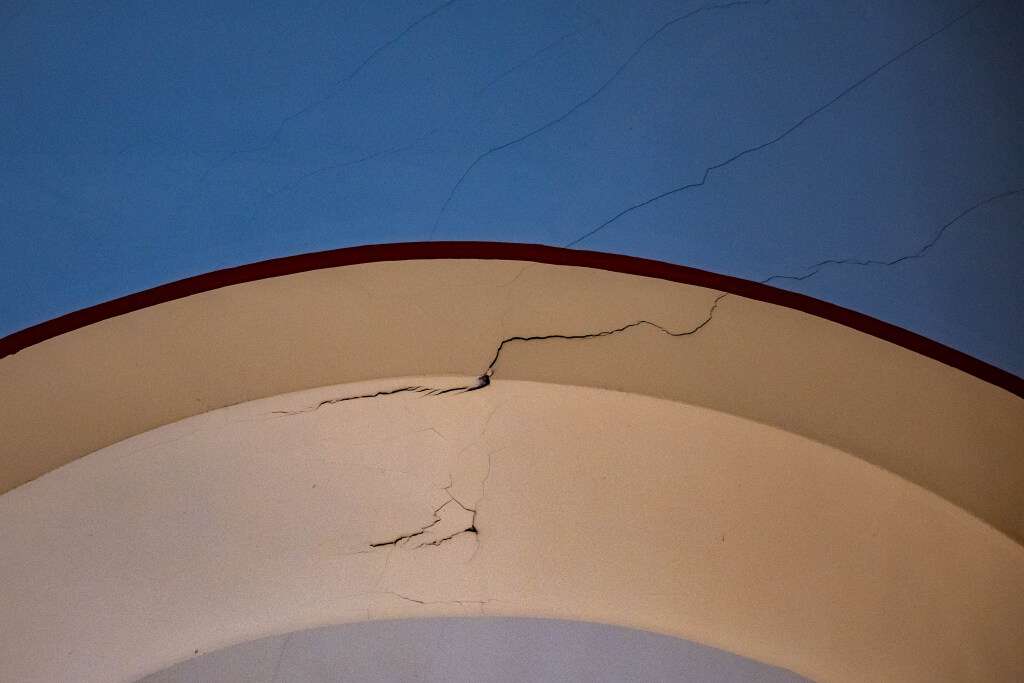
Karahalios said almost 1,500 feet of cracks ran throughout the cathedral's interior. Officials examined the extensive cracks and said the building remained structurally sound. But Karahalios said the examination triggered a full seismic upgrade.
Original Greek Orthodox chapel
The building was elevated to cathedral status in 1986 and has been active for more than a century, but it is not the first Greek Orthodox church building in Salt Lake City.
The first Greek immigrants came to the Salt Lake Valley as early as 1870, according to Elaine Bapis, author and editor of 'Legacy of Faith: A Centennial Tribute to Holy Trinity Cathedral's Enduring Heritage.' Over the next 30 years, more than a thousand Greek immigrants settled in Salt Lake City, creating "Greek Town" in downtown Salt Lake City.
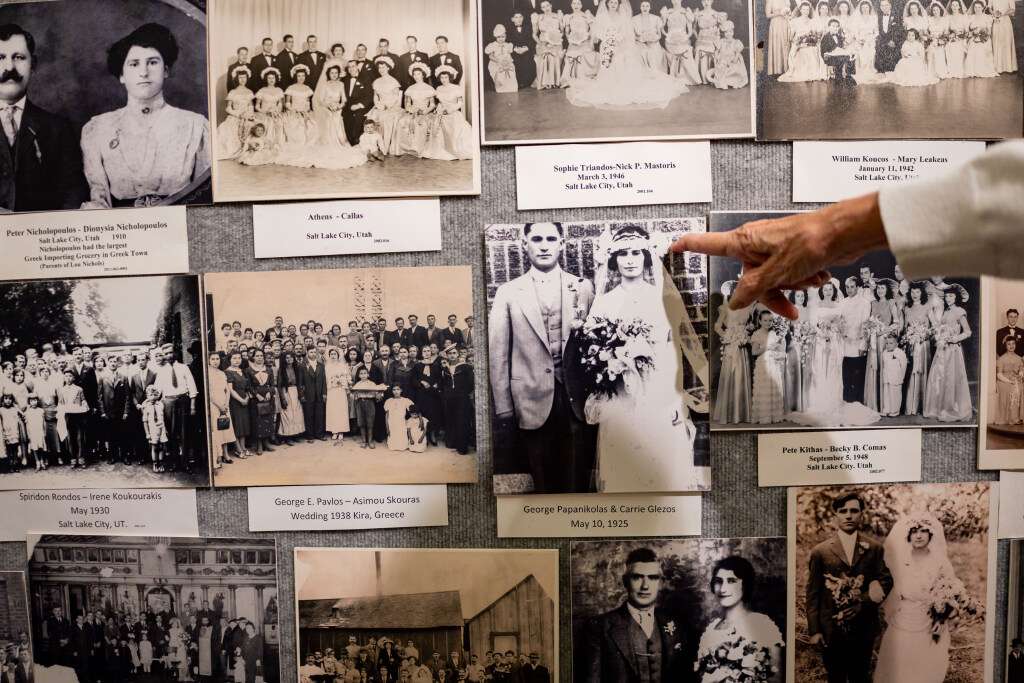
Leaders in the Greek community organized the Greek Community of Utah in 1905, the first Greek Orthodox church established between St. Louis, Missouri, and San Francisco, California. The original building, located at 439 W. 400 South, had its first service on Oct. 29, 1905, according to Bapis.
Over the next two decades, more Greek immigrants settled in Salt Lake City, and the children of the original immigrants grew up. Although the building was designed to hold 1,500 worshippers, the congregation quickly outgrew it.
Bapis wrote that the original church building sold for $18,000 in 1920, with the stipulation that worshippers could still use the building until a new chapel was completed. Members immediately began gathering additional funds to purchase a new location.
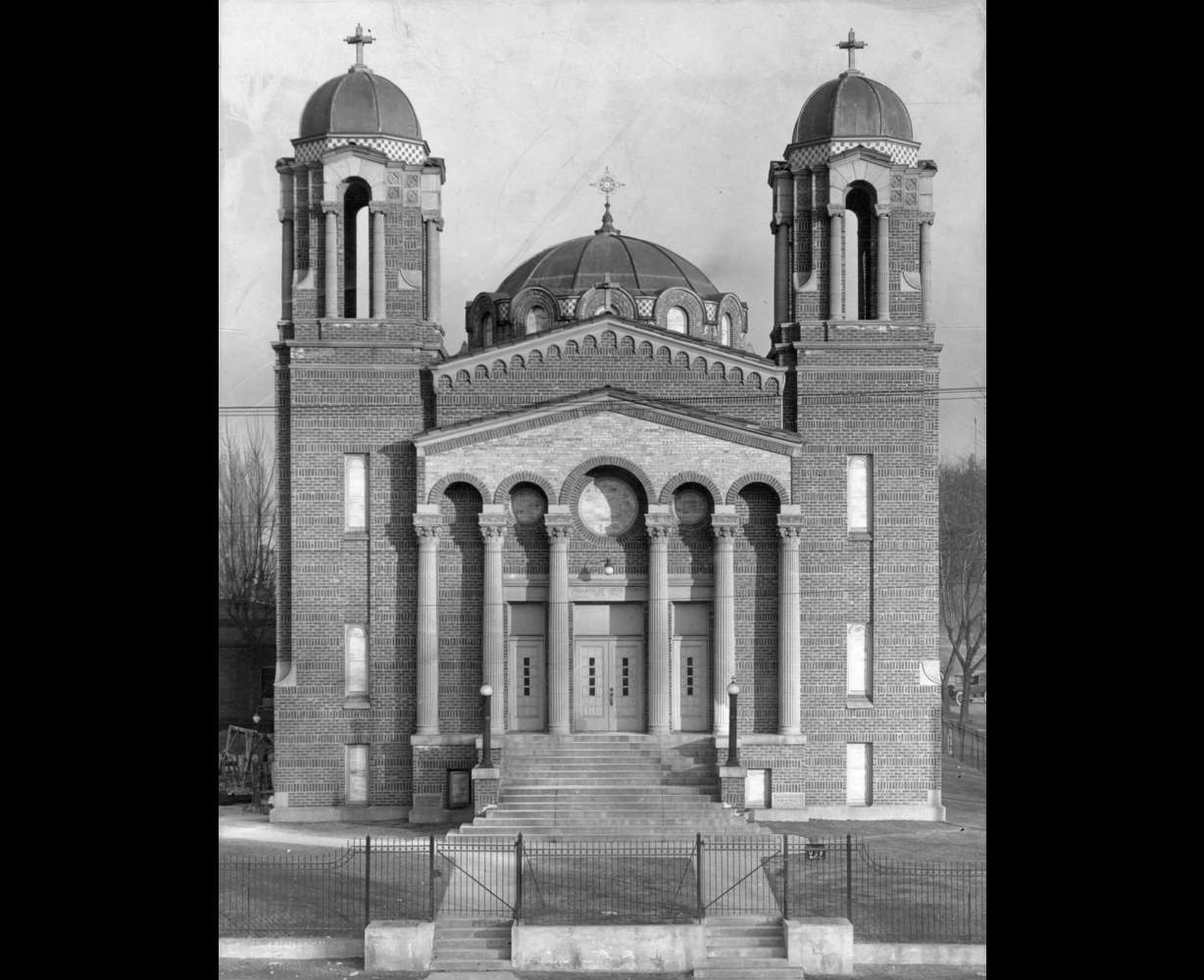
Construction began in 1923 and was completed a year later. The first liturgy was planned for Aug. 15, 1924 — the feast day of Panagia, the Holy Mother. Bapis wrote that a church official who attended the liturgy was "pleased with how they built the church and how impressive it was that the finished product had not one crack."
Preserving history
More than six years after the earthquake, any cracks that appeared over the cathedral's century of use will soon vanish under repairs by preservationists.
The exterior cannot be altered, according to Karahalios, but they will need to change the interior significantly. He said they would strip the entire building down to the brick before adding shotcrete to thicken and strengthen the walls.
"The exterior walls are going to come in 6 inches on each side," Karahalios said. Thanks to the seismic upgrade, the interior iconostasis — the panel of religious icons that stretches across the back of the hall to conceal the altar — will need to be completely replaced.
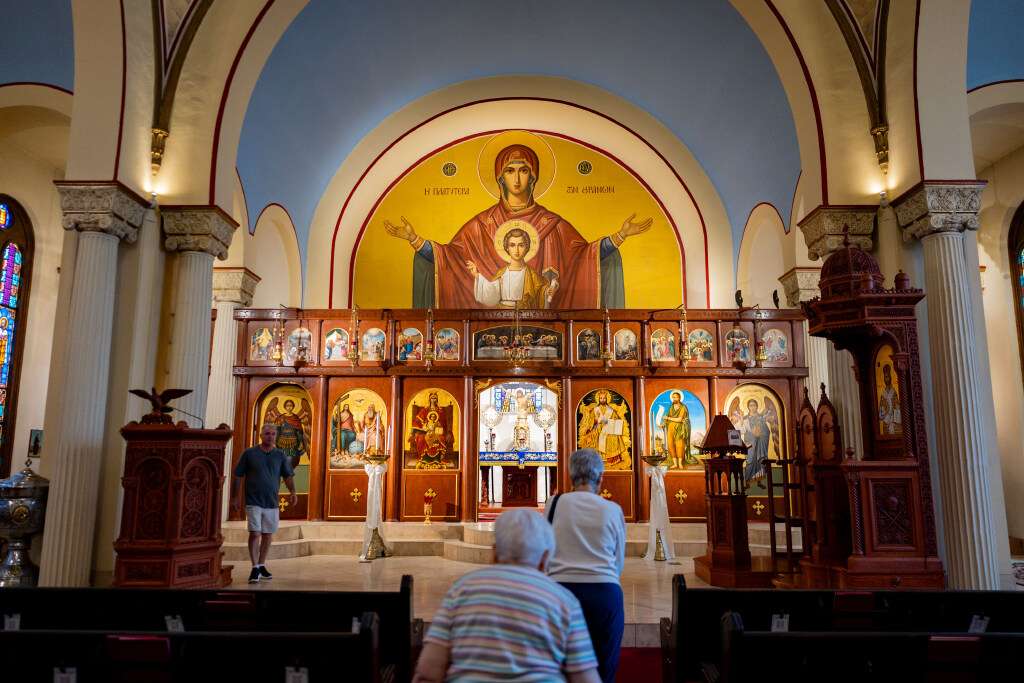
"There's no way to shrink it," Karahalios said. Some of the icons depicted dated back to 1906. He said they plan to display the originals in the museum in the cathedral's basement.
The stained glass windows will be boarded up to protect them while the renovations are underway. If they need to be removed for the repair work to continue, Karahalios said he thinks they can come apart in pieces along seams in the glass images.
The dome above the center of the cathedral was not damaged, but lines of cracked plaster need repair across the roof and over the choir loft.
"There are a lot of cracks going up into that area that they need to fix, and a lot of them go right through into the building, into the brick," Karahalios said.
Specialized cranes will lift the dome while a diaphragm is placed under and around it, allowing the dome to move with the earth should another earthquake strike the city.
"It's quite a project," he said.
Funding the project
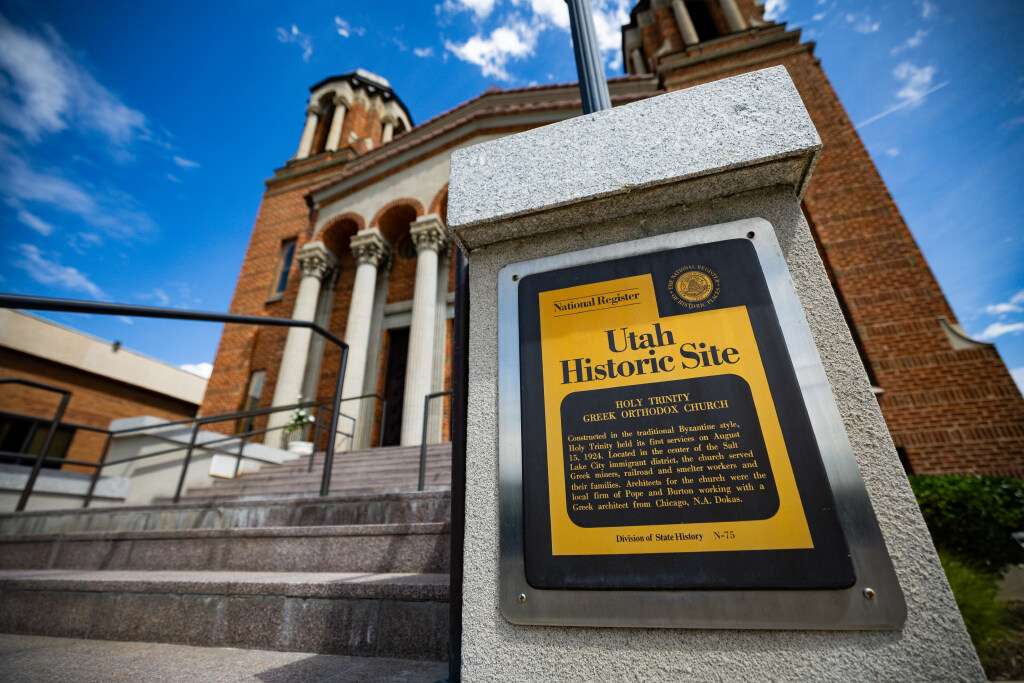
While repairs for earthquake damage were requested over a year ago, the cathedral is on the National Register of Historic Places, meaning that any repair approvals must go through them.
"They're very picky," Karahalios said.
The original estimate to repair the entire cathedral and seismically update it to modern standards was between $20 and $25 million. It has since dropped to between $16 and $18 million. Because the building is a historic site, the church would need to provide only 10% of the total cost, with government grants and funding covering the rest.
Donations and other fundraising efforts have amounted to a little over $1 million, or just over half of the funds the church would need to provide for the repair and seismic upgrade.
Former fundraising projects have received support from other organizations across the city, including the Huntsman Foundation and The Church of Jesus Christ of Latter-day Saints, as well as families with ties to the Greek community, such as Mandarin restaurant owner Gregory Skedros and the Pappas family.
Additionally, the 50th annual Greek Festival celebrating the "memories, traditions, and faith that built this beloved community event" will raise funds for the building. Visitors come for the Greek food and the celebration, but also to learn more about the history of the Greek people living in Salt Lake City.
"The festival brings about 40 to 42,000 people through that weekend through here," Karahalios said, referring to the cathedral and museum underneath.
A study, he said, showed the festival generated a $ 4 million economic impact on the Salt Lake Valley during the 2025 Greek Festival.
"Just in those three days," he said.
Future of the cathedral
While the funding challenge still looms over the cathedral, the number of converts to the Greek Orthodox Church in Salt Lake City continues to increase. Karahalios said Father George Nikas, the Cathedral Dean for the Holy Trinity Cathedral, told him there were at least 85 converts over the last year.
"The majority of them say 'We're looking for a foundation that has a lot of standing,' and they look at the Orthodox church because it's never changing," Karahalios said.
He said many converts searched online for a religion and came to the Greek Orthodox Church, not just in Salt Lake City but across the world.
Many other Orthodox religious leaders who gathered in Cleveland for the 2026 Clergy-Laity Congress of the Greek Orthodox Archdiocese of America spoke about the number of converts they had been welcoming into their churches.
"When I was young, you know, being inundated with the (Latter-day Saint) culture ... nobody knew anything about the Greek church," Karahalios said. "Now everybody knows something about it, at least that it exists. It's really ... it's kind of a cool thing."

Photos
Most recent Religion stories
Related topics
 Joe Wirthlin