'%3e%3cpath%20d='M34.1406%205.85938C30.3906%202.10547%2025.3047%200%2020%200C14.6953%200%209.60938%202.10547%205.85938%205.85938C2.10938%209.61328%200%2014.6953%200%2020C0%2025.3047%202.10547%2030.3906%205.85938%2034.1406C9.61328%2037.8906%2014.6953%2040%2020%2040C25.3047%2040%2030.3906%2037.8945%2034.1406%2034.1406C37.8906%2030.3906%2040%2025.3047%2040%2020C40%2014.6953%2037.8945%209.60938%2034.1406%205.85938ZM37.0117%2023.543H31.1602V13.5391H27.6328V19.9414C28.1211%2020.6914%2028.3711%2021.582%2028.3711%2022.5625V22.625C28.3711%2023.668%2028.1172%2024.6055%2027.6328%2025.4297V26.6094H36.082C33.4883%2032.9375%2027.2891%2037.3789%2020.0039%2037.3789C10.3711%2037.3789%202.62109%2029.6289%202.62109%2020C2.62109%2010.3711%2010.3711%202.62109%2020%202.62109C29.6289%202.62109%2037.3789%2010.3711%2037.3789%2020C37.3789%2021.1484%2037.2617%2022.2656%2037.0508%2023.3477C37.0391%2023.4141%2037.0234%2023.4766%2037.0117%2023.543Z'%20fill='white'/%3e%3cpath%20d='M22.3086%2018.5352C20.4336%2018.125%2019.9531%2017.8398%2019.9766%2017.1836V17.1406C19.9766%2016.6992%2020.3477%2016.2148%2021.4023%2016.2148C22.582%2016.2148%2023.8867%2016.6797%2025.0781%2017.4766L26.8516%2015.0195C25.4453%2013.8906%2023.707%2013.3398%2021.5547%2013.3398C18.5195%2013.3398%2016.4375%2015%2016.4063%2017.4766V17.5352C16.3633%2020.2617%2018.5859%2020.9805%2021.293%2021.6016C23.0391%2021.9766%2023.5703%2022.3164%2023.5703%2022.9609L23.5469%2022.9766C23.5469%2023.3906%2023.2578%2023.7031%2022.7852%2023.8359C22.5742%2023.9062%2022.1289%2023.9727%2021.5156%2023.9727C20.7617%2023.9727%2019.7539%2023.8633%2018.6328%2023.4844C18.0898%2023.2891%2017.4727%2023.0039%2016.8047%2022.6133L20.1406%2026.625C20.2813%2026.6602%2021.0977%2026.8516%2021.7734%2026.8516C25.0039%2026.8516%2027.0859%2025.2461%2027.1094%2022.6328V22.5703C27.1602%2020.1133%2025.2148%2019.1719%2022.3086%2018.5352Z'%20fill='white'/%3e%3cpath%20d='M5.24219%2013.5664V26.6133H8.75391V23.7578L10.2969%2021.9531L14.2031%2026.6133H18.3867L12.3555%2019.5195L17.4023%2013.5664H13.4531L8.75391%2019.0586V13.5664H5.24219Z'%20fill='white'/%3e%3c/g%3e%3cdefs%3e%3cclipPath%20id='clip0_97_2430'%3e%3crect%20width='40'%20height='40'%20fill='white'/%3e%3c/clipPath%3e%3c/defs%3e%3c/svg%3e)


- Utah's human-caused fires dropped to 51% from 85% in June.
- Monsoonal storms and increased awareness contributed to the decline in human-caused fires.
- Utah's largest fires this year were lightning-caused, burning over 230,000 acres.
SOUTH SALT LAKE — Utah is now within 100,000 acres of having its worst fire year in terms of acreage lost, but this year likely won't be its worst year for human-caused fires.
Nearly 840 fires have burned more than 532,000 acres across the state this year, state and federal firefighters reported on Wednesday. They also noted that the percentage of fires caused by human activity has dipped to 51%, as compared to 70% during the second week of July and 85% during the second week of June.
It's also far below the national average of 85% to 90%.
So why has this percentage dropped so drastically?
"There are various reasons why that number can go down," said Kelly Wickens, wildfire prevention and communication specialist for the Utah Division of Forestry, Fire and State Lands.
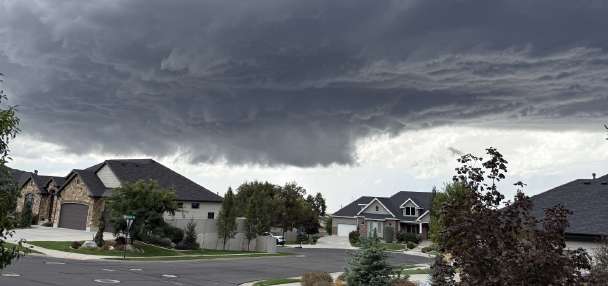
Lightning is the most common factor. While the percentage of human-caused fires has significantly fallen since June, the number of new fires hasn't, as monsoonal moisture has returned to the state, especially since mid-July.
Monsoonal storms are a double-edged sword, especially during a drought year. They can produce much-needed rainfall, but can also bring lightning and strong winds that can start new fires and quickly spread them.
Utah's two largest wildfires — the Widemouth 2 and Babylon fires — each started by lightning. They've burned more than 230,000 acres combined, accounting for over 40% of this year's burned acreage.
How people recreate is another factor in the decline, Wickens told KSL. People might have become more cognizant of fire danger as they see large fires burning across the state, so they take steps to reduce the likelihood of starting one.
Many Utah cities cracked down on fireworks during the Fourth of July and Pioneer Day holiday weekends this year, too, which may have helped. It's also possible that this summer has been so hot at times that people are avoiding outdoor recreation altogether.
Wickens hopes that thoughtful recreation becomes more the norm when it comes to human-caused fires because she believes there's still room for improvement.
Even with monsoonal moisture, human-caused fires have created recent headaches. The Rocky Canyon Fire was determined to be human-caused, burning more than 15,000 acres between Morgan and Summit counties.
"We want those numbers to continue to go down. That's still over 400 fires caused by humans," she said. "That's quite a lot of fires that didn't need to happen. We did spend money on them; we did have resources tied to those fires."
Utah plans to continue to hammer down its "Fire Sense" message for the rest of the fire year and in the future.
These include making sure that campfires are completely doused, chains are not dragging, target shooting is away from dry vegetation and many other regular human causes of new fires. The goal is to limit as many human-caused fires as possible.
"Prevention is the first response to wildfires," Wickens said. "We are the ones who are preventers of human-caused fires."