'%3e%3cpath%20d='M34.1406%205.85938C30.3906%202.10547%2025.3047%200%2020%200C14.6953%200%209.60938%202.10547%205.85938%205.85938C2.10938%209.61328%200%2014.6953%200%2020C0%2025.3047%202.10547%2030.3906%205.85938%2034.1406C9.61328%2037.8906%2014.6953%2040%2020%2040C25.3047%2040%2030.3906%2037.8945%2034.1406%2034.1406C37.8906%2030.3906%2040%2025.3047%2040%2020C40%2014.6953%2037.8945%209.60938%2034.1406%205.85938ZM37.0117%2023.543H31.1602V13.5391H27.6328V19.9414C28.1211%2020.6914%2028.3711%2021.582%2028.3711%2022.5625V22.625C28.3711%2023.668%2028.1172%2024.6055%2027.6328%2025.4297V26.6094H36.082C33.4883%2032.9375%2027.2891%2037.3789%2020.0039%2037.3789C10.3711%2037.3789%202.62109%2029.6289%202.62109%2020C2.62109%2010.3711%2010.3711%202.62109%2020%202.62109C29.6289%202.62109%2037.3789%2010.3711%2037.3789%2020C37.3789%2021.1484%2037.2617%2022.2656%2037.0508%2023.3477C37.0391%2023.4141%2037.0234%2023.4766%2037.0117%2023.543Z'%20fill='white'/%3e%3cpath%20d='M22.3086%2018.5352C20.4336%2018.125%2019.9531%2017.8398%2019.9766%2017.1836V17.1406C19.9766%2016.6992%2020.3477%2016.2148%2021.4023%2016.2148C22.582%2016.2148%2023.8867%2016.6797%2025.0781%2017.4766L26.8516%2015.0195C25.4453%2013.8906%2023.707%2013.3398%2021.5547%2013.3398C18.5195%2013.3398%2016.4375%2015%2016.4063%2017.4766V17.5352C16.3633%2020.2617%2018.5859%2020.9805%2021.293%2021.6016C23.0391%2021.9766%2023.5703%2022.3164%2023.5703%2022.9609L23.5469%2022.9766C23.5469%2023.3906%2023.2578%2023.7031%2022.7852%2023.8359C22.5742%2023.9062%2022.1289%2023.9727%2021.5156%2023.9727C20.7617%2023.9727%2019.7539%2023.8633%2018.6328%2023.4844C18.0898%2023.2891%2017.4727%2023.0039%2016.8047%2022.6133L20.1406%2026.625C20.2813%2026.6602%2021.0977%2026.8516%2021.7734%2026.8516C25.0039%2026.8516%2027.0859%2025.2461%2027.1094%2022.6328V22.5703C27.1602%2020.1133%2025.2148%2019.1719%2022.3086%2018.5352Z'%20fill='white'/%3e%3cpath%20d='M5.24219%2013.5664V26.6133H8.75391V23.7578L10.2969%2021.9531L14.2031%2026.6133H18.3867L12.3555%2019.5195L17.4023%2013.5664H13.4531L8.75391%2019.0586V13.5664H5.24219Z'%20fill='white'/%3e%3c/g%3e%3cdefs%3e%3cclipPath%20id='clip0_97_2430'%3e%3crect%20width='40'%20height='40'%20fill='white'/%3e%3c/clipPath%3e%3c/defs%3e%3c/svg%3e)


Estimated read time: 6-7 minutes
- A Utah cold case unit solved its first case using DNA genealogy.
- The unit identified Terry Richardson Chawk, missing since 1977, through DNA.
- Forensic genetic genealogy offers hope for solving Utah's 40 unidentified remains cases.
SALT LAKE CITY — A newly formed cold case unit within Utah's State Bureau of Investigation has solved its first case, identifying a man whose body remained a mystery for more than 14 years, through the use of forensic genetic genealogy.
The breakthrough brought long-awaited answers to a family in Florida and gave investigators confidence that the same technology could help solve dozens of other cold cases across Utah.
For Agent Brian Davis, the case was personal. He has been working on the case since almost day one.
"Honestly, it's been kind of frustrating because we thought we could solve it much sooner," Davis said, recalling the years he spent trying to identify the man.
The unidentified man's body was discovered beneath a Riverdale overpass in 2012. Investigators determined there were no signs of foul play, but they had almost nothing to work with.
"There was not a stitch of anything to identify him. There was nothing at all," Davis said.
The man was experiencing homelessness and had few belongings, including a UTA bus pass and a newspaper clipping. As Davis searched for leads, a few tips from the community surfaced that would later prove significant, including that he was from Florida.
"People thought maybe his first name was Terri. That was all he would ever give. Other people had nicknamed him Coffee Bob, so that is all we had," Davis said.
Davis tracked down a few people in Roy and Bountiful who had interacted with the man.
"There was a woman in Bountiful that befriended him and had tried to help him as well. They were very vested … They liked him, said he was such a kind man, a nice guy," Davis said. "They really tried to help him; he would never really open up about his past."
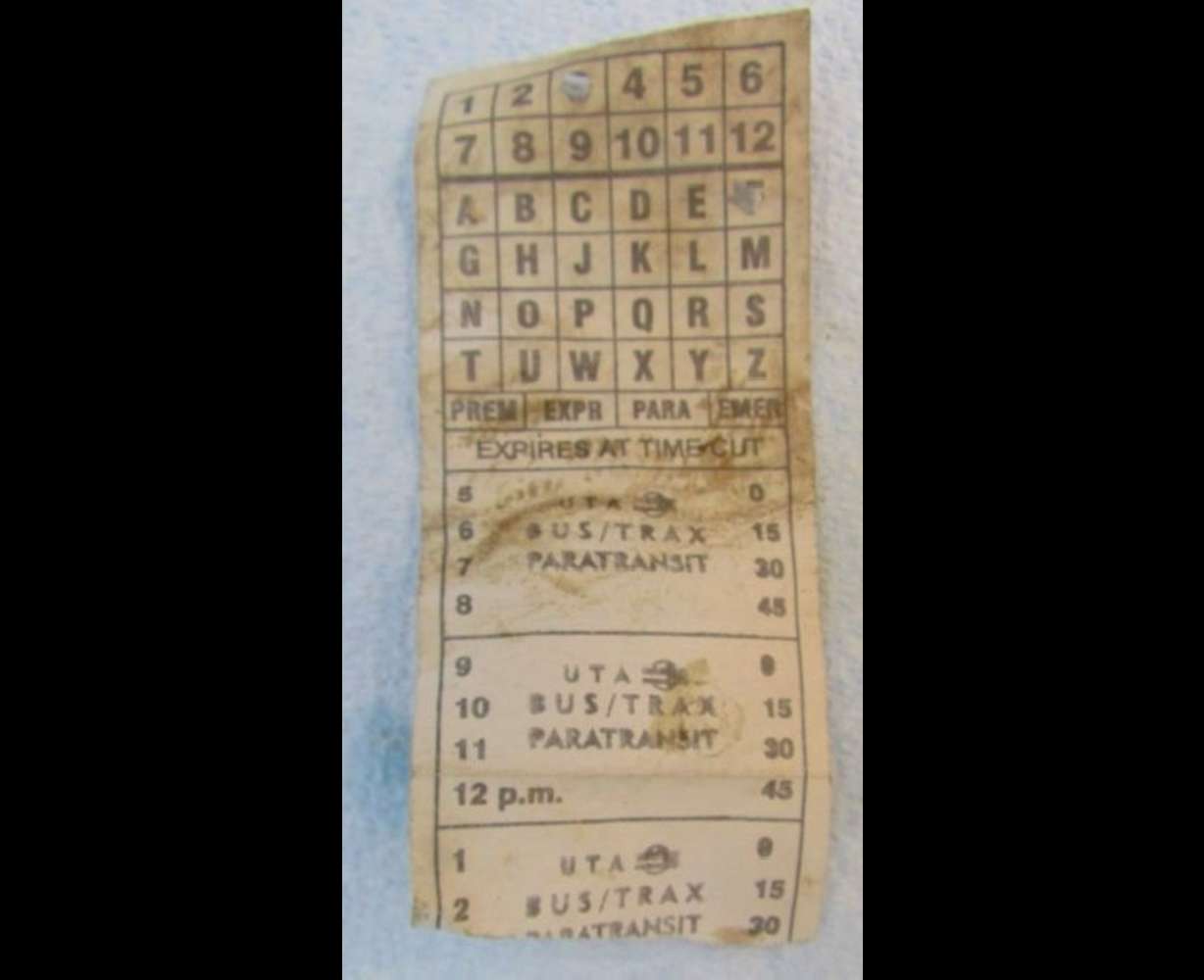
Despite years of effort, including following leads in Florida and uploading the man's fingerprint to law enforcement databases and his DNA profile to the FBI's Combined DNA Index System, Davis said the investigation reached one dead end after another.
"I didn't understand why we kept failing and failing," Davis said.
Then, everything changed this year with the creation of the cold case unit. Davis was tasked with leading the unit, which is among the first in the nation to include a full-time forensic investigative genetic genealogist, Kathryn Moore.
Moore joined the team in late 2025 and soon began working alongside Davis to revisit the case of the unidentified man using advances in DNA technology.
"This is one that really stood out because it was so meaningful to Agent Davis," Moore said.
The team built an enhanced DNA profile by painstakingly reconstructing a family tree with thousands of possible eighth-cousin match connections.
Then, in June, they got the breakthrough they had been hoping for.
On the FamilyTreeDNA database, a relative had uploaded their DNA profile and voluntarily opted in to allow law enforcement to use it for investigative purposes.
"That was the key, that single person putting their DNA into the database," Davis said.
Moore said the individual is a much closer second or fourth cousin, allowing her to drastically narrow down her search.
"That one man who uploaded his profile made all the difference. I'm not sure we could've solved the case if he hadn't chosen to test," she said, adding that the man doesn't know his DNA was used in solving the case.
Investigators were able to zero in on a family connection based in Florida, leading them to identify the man as Terry Richardson Chawk, who had disappeared from Florida in 1977. Davis located Chawk's brother, who submitted to a DNA test and confirmed the match.
"I was very excited to hear the name, to see a photo of him and to see his brother. Terry left home at a young age; they hadn't seen or heard of him in 47 years," Davis said.
More than four decades after he vanished — and 14 years after his body was found in Utah — his family finally received answers.
Davis said Chawk's family searched for years, even hiring a private investigator to track him down after he disappeared. The family learned he had lived in the Pacific Northwest, but because he had never committed any major crimes, his fingerprints were not in any system to identify him. Chawk's mother died in 2019 without learning what happened to her son.
"There was a history of him in the Seattle, Oregon, California area but not super recent," Davis said. "About 10 years ago, they decided their brother had likely passed away, and they would just never know."
"This is somebody who was loved by their family and missed," Moore added.
The case also highlights the role that public participation can play in solving cold investigations.
According to Davis, law enforcement agencies can access only three DNA databases for forensic genealogy, and only when users voluntarily opt in to allow their profiles to be searched. Larger consumer DNA databases are generally not available for these investigations.
Moore said three databases are FamilyTreeDNA, GEDmatch and DNA Justice.
"For the first time, it has allowed us, instead of having to have a specific suspect or somebody that we believe is connected, we can identify this person having no idea who they are. All we need is the DNA and the ability to connect it to their cousin matches," Moore said.
For decades, investigators primarily relied on a type of DNA testing known as short tandem repeat analysis, which compares DNA from an unknown person to a known individual or suspect. While effective, it requires investigators to already have someone to compare against.
Now, advances in single nucleotide polymorphism testing — the same type of DNA analysis used by consumer genealogy companies — allow investigators to identify unknown people by finding their relatives instead.
"This is the type of DNA testing that is done for these genealogy companies such as Ancestry, 23andMe, MyHeritage, these sort of companies," Moore said. "It allows us to see not whether or not that DNA matches a specific profile but who they're related to. And based on who they're related to, we can find their common ancestors and trace their descendants to find that unknown person."
Davis acknowledges some people have privacy concerns, but he said the ability to opt in can make an enormous difference for families still searching for answers.
The success of the unit's first investigation has investigators optimistic about what's ahead.
Utah currently has approximately 40 unidentified human remains cases and more than 250 unsolved homicides. Davis believes advances in forensic genetic genealogy could help solve many of them.
"There are too many families that don't have answers," he said. "Possibly, we could solve them all. That's our goal, to solve all of them."

Photos
Most recent Police & Courts stories
Related topics
 Garna Mejia