'%3e%3cpath%20d='M34.1406%205.85938C30.3906%202.10547%2025.3047%200%2020%200C14.6953%200%209.60938%202.10547%205.85938%205.85938C2.10938%209.61328%200%2014.6953%200%2020C0%2025.3047%202.10547%2030.3906%205.85938%2034.1406C9.61328%2037.8906%2014.6953%2040%2020%2040C25.3047%2040%2030.3906%2037.8945%2034.1406%2034.1406C37.8906%2030.3906%2040%2025.3047%2040%2020C40%2014.6953%2037.8945%209.60938%2034.1406%205.85938ZM37.0117%2023.543H31.1602V13.5391H27.6328V19.9414C28.1211%2020.6914%2028.3711%2021.582%2028.3711%2022.5625V22.625C28.3711%2023.668%2028.1172%2024.6055%2027.6328%2025.4297V26.6094H36.082C33.4883%2032.9375%2027.2891%2037.3789%2020.0039%2037.3789C10.3711%2037.3789%202.62109%2029.6289%202.62109%2020C2.62109%2010.3711%2010.3711%202.62109%2020%202.62109C29.6289%202.62109%2037.3789%2010.3711%2037.3789%2020C37.3789%2021.1484%2037.2617%2022.2656%2037.0508%2023.3477C37.0391%2023.4141%2037.0234%2023.4766%2037.0117%2023.543Z'%20fill='white'/%3e%3cpath%20d='M22.3086%2018.5352C20.4336%2018.125%2019.9531%2017.8398%2019.9766%2017.1836V17.1406C19.9766%2016.6992%2020.3477%2016.2148%2021.4023%2016.2148C22.582%2016.2148%2023.8867%2016.6797%2025.0781%2017.4766L26.8516%2015.0195C25.4453%2013.8906%2023.707%2013.3398%2021.5547%2013.3398C18.5195%2013.3398%2016.4375%2015%2016.4063%2017.4766V17.5352C16.3633%2020.2617%2018.5859%2020.9805%2021.293%2021.6016C23.0391%2021.9766%2023.5703%2022.3164%2023.5703%2022.9609L23.5469%2022.9766C23.5469%2023.3906%2023.2578%2023.7031%2022.7852%2023.8359C22.5742%2023.9062%2022.1289%2023.9727%2021.5156%2023.9727C20.7617%2023.9727%2019.7539%2023.8633%2018.6328%2023.4844C18.0898%2023.2891%2017.4727%2023.0039%2016.8047%2022.6133L20.1406%2026.625C20.2813%2026.6602%2021.0977%2026.8516%2021.7734%2026.8516C25.0039%2026.8516%2027.0859%2025.2461%2027.1094%2022.6328V22.5703C27.1602%2020.1133%2025.2148%2019.1719%2022.3086%2018.5352Z'%20fill='white'/%3e%3cpath%20d='M5.24219%2013.5664V26.6133H8.75391V23.7578L10.2969%2021.9531L14.2031%2026.6133H18.3867L12.3555%2019.5195L17.4023%2013.5664H13.4531L8.75391%2019.0586V13.5664H5.24219Z'%20fill='white'/%3e%3c/g%3e%3cdefs%3e%3cclipPath%20id='clip0_97_2430'%3e%3crect%20width='40'%20height='40'%20fill='white'/%3e%3c/clipPath%3e%3c/defs%3e%3c/svg%3e)


- Gov. Spencer Cox declared a state of emergency in Beaver, Piute and Sevier counties.
- Flooding from fire burn scars prompted the declaration; more flooding is possible on Wednesday.
- Boil orders and road closures affect several communities as flood threats persist.
SALT LAKE CITY — Gov. Spencer Cox declared a state of emergency in three Utah counties over widespread flooding, while the risk of additional flooding continues.
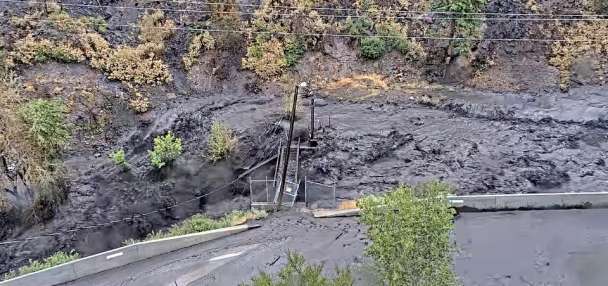
Cox's declaration covers Beaver, Piute and Sevier, which have been heavily impacted by flooding from the Cottonwood and Monroe Canyon fire burn scars. The order, which lasts 30 days unless extended by the Utah Legislature, helps the areas receive state and federal resources.
"Utahns have endured an incredibly difficult wildfire season, and now many of these same communities are facing life-threatening flooding caused by those fires," the governor said in the statement. "This declaration ensures we can continue providing every available resource to help local communities respond, recover and prepare for the continued flood risks that remain throughout the summer."
The governor issued the emergency as more flooding continues to ravage the area. A boil order was issued for Junction, Piute County, earlier on Wednesday due to more flooding that took place on Tuesday.
Piute County Emergency Management officials said people should avoid drinking any water without boiling it first, adding that the water is still safe for showering and other uses. Bottled water was made available at the Junction Fire House (155 N. 200 West).
It's unclear how long the boil order will be in place, but storms sparked flooding in City Creek, which is one of the areas that's been affected by the Cottonwood Fire. The City Creek campground upstream of Junction has been closed since the fire began ripping through Fishlake National Forest last month.
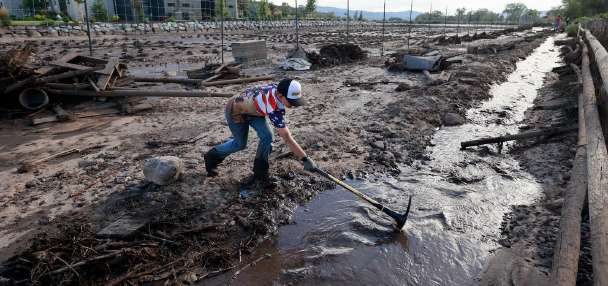
Tuesday's flooding came just days after severe flooding was reported on the western end of the canyon, as well as in Beaver. Approximately 200 homes were affected by flooding on Sunday, which also damaged roads and other infastructure, including the city's culinary water system.
Beaver residents were also told to drink bottled or boiled water until further notice because of the damage. That order was still in place as of Wednesday morning. Most of state Route 153, which links Beaver and Junction, is also closed indefinitely because of the flood damage, state officials announced on Tuesday.
Flooding has also disrupted culinary and agricultural water systems across other communities, including Marysvale and Circleville near the Cottonwood Fire. Flooding near the Monroe Canyon burn scar has also damaged homes and water infrastructure in Sevier County this year, Cox added.
Flood threat continues
The threat of additional flooding isn't over, either. Most of Utah — sans the West Desert and parts of central Utah — remains under a flood watch Wednesday over the possibility of widespread heavy rainfall from monsoonal storms, per the National Weather Service.
There will be no access to Beaver's Grove area on Wednesday and to all other areas under evacuation since Sunday because of the threat of more flooding, the Beaver County Sheriff's Office said in a statement.
"The weather forecast is looking more favorable over the next few days, and we are hopeful that conditions will allow us to safely resume access," it added.
Storms hit more of Utah
While the weather service has issued flood watches for southern and central Utah for most of the past two weeks, its watch on Wednesday adds more of Utah's northern half for the first time. Cities like Logan are included, as well as mountain communities east of the Wasatch Front, like Brighton.
It comes as many areas that had not received much monsoonal moisture finally received a breakthrough on Tuesday.
For example, Salt Lake City received 0.23 inches from a thunderstorm that rumbled through the state capital, doubling its rain total since meteorological summer began on June 1. A site in the city's Sugar House neighborhood picked up 0.58 inches, as well.
Scattered showers are expected in areas across Utah on Thursday, but storm potential is beginning to die down heading into the Pioneer Day weekend, said KSL meteorologist Matt Johnson.
That's good for reducing flooding, but it could help conditions dry out again.