'%3e%3cpath%20d='M34.1406%205.85938C30.3906%202.10547%2025.3047%200%2020%200C14.6953%200%209.60938%202.10547%205.85938%205.85938C2.10938%209.61328%200%2014.6953%200%2020C0%2025.3047%202.10547%2030.3906%205.85938%2034.1406C9.61328%2037.8906%2014.6953%2040%2020%2040C25.3047%2040%2030.3906%2037.8945%2034.1406%2034.1406C37.8906%2030.3906%2040%2025.3047%2040%2020C40%2014.6953%2037.8945%209.60938%2034.1406%205.85938ZM37.0117%2023.543H31.1602V13.5391H27.6328V19.9414C28.1211%2020.6914%2028.3711%2021.582%2028.3711%2022.5625V22.625C28.3711%2023.668%2028.1172%2024.6055%2027.6328%2025.4297V26.6094H36.082C33.4883%2032.9375%2027.2891%2037.3789%2020.0039%2037.3789C10.3711%2037.3789%202.62109%2029.6289%202.62109%2020C2.62109%2010.3711%2010.3711%202.62109%2020%202.62109C29.6289%202.62109%2037.3789%2010.3711%2037.3789%2020C37.3789%2021.1484%2037.2617%2022.2656%2037.0508%2023.3477C37.0391%2023.4141%2037.0234%2023.4766%2037.0117%2023.543Z'%20fill='white'/%3e%3cpath%20d='M22.3086%2018.5352C20.4336%2018.125%2019.9531%2017.8398%2019.9766%2017.1836V17.1406C19.9766%2016.6992%2020.3477%2016.2148%2021.4023%2016.2148C22.582%2016.2148%2023.8867%2016.6797%2025.0781%2017.4766L26.8516%2015.0195C25.4453%2013.8906%2023.707%2013.3398%2021.5547%2013.3398C18.5195%2013.3398%2016.4375%2015%2016.4063%2017.4766V17.5352C16.3633%2020.2617%2018.5859%2020.9805%2021.293%2021.6016C23.0391%2021.9766%2023.5703%2022.3164%2023.5703%2022.9609L23.5469%2022.9766C23.5469%2023.3906%2023.2578%2023.7031%2022.7852%2023.8359C22.5742%2023.9062%2022.1289%2023.9727%2021.5156%2023.9727C20.7617%2023.9727%2019.7539%2023.8633%2018.6328%2023.4844C18.0898%2023.2891%2017.4727%2023.0039%2016.8047%2022.6133L20.1406%2026.625C20.2813%2026.6602%2021.0977%2026.8516%2021.7734%2026.8516C25.0039%2026.8516%2027.0859%2025.2461%2027.1094%2022.6328V22.5703C27.1602%2020.1133%2025.2148%2019.1719%2022.3086%2018.5352Z'%20fill='white'/%3e%3cpath%20d='M5.24219%2013.5664V26.6133H8.75391V23.7578L10.2969%2021.9531L14.2031%2026.6133H18.3867L12.3555%2019.5195L17.4023%2013.5664H13.4531L8.75391%2019.0586V13.5664H5.24219Z'%20fill='white'/%3e%3c/g%3e%3cdefs%3e%3cclipPath%20id='clip0_97_2430'%3e%3crect%20width='40'%20height='40'%20fill='white'/%3e%3c/clipPath%3e%3c/defs%3e%3c/svg%3e)


- Sen. John Curtis urges forest management reform after touring Utah fire sites.
- The Fix Our Forests Act aims to modernize forest management amid rising fires in the West.
- Critics argue the bill could weaken environmental protections, but Curtis remains hopeful.
EUREKA, Juab County — Utah Sen. John Curtis renewed his calls for his colleagues to pass a bill to modernize forest management as he toured fire sites in Utah on Friday.
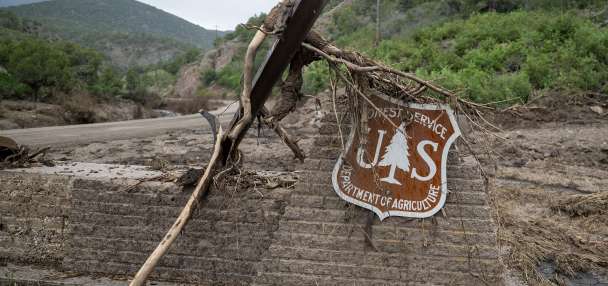
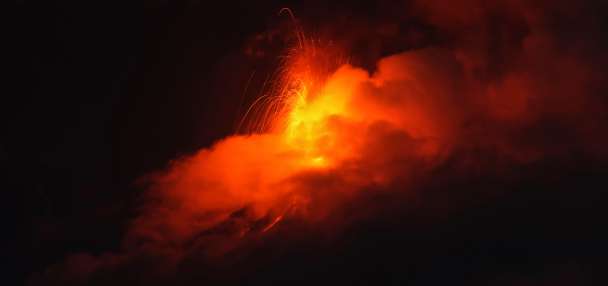
Curtis met Eureka Mayor Robert Jenkins, as well as representatives from the Bureau of Land Management and U.S. Forest Service. He also toured the Iron and Cherry fire burn scars, now that both fires are fully contained after burning more than 75,500 acres near the Juab County city.
The Republican senator said both fires are examples of the need for forest reform, which he has called for through the Fix Our Forests Act.
"I'm working really hard on a bill ... (that) dramatically changes the way we manage our federal lands and our forests — not just federal, but all of our forests — before the fires," he said in a video after the tour on Friday. "It changes the way we fight the fires and then the way we deal with the aftermath, and I'm hoping we can get that bill across the finish line."
Curtis, along with Sens. John Hickenlooper (D-Colorado), Tim Sheehy (R-Montana) and Alex Padilla (D-California), introduced the Fix Our Forests Act in 2025 to combat the challenges caused by climate change, prolonged drought and the buildup of dry fuels within the West's forests.
The bill calls for new and improved programs that reduce wildfire risk within "high-priority firesheds," among other things, including:
- Improved processes for forest health projects.
- The creation of a single interagency program to help wildland-urban interface communities
- Expanded research into "cutting-edge wildfire prevention, detection and mitigation technologies.
It has yet to pass, but Utah's and West's active fire season has rekindled debates over forest management in recent weeks.
The Iron and Cherry fires are two of more than 450 fires that have burned in Utah this year, which is actually down from this time last year. Over 500 fires were reported by July 10, 2025, but the amount of acres burned this year has been dramatically higher because of an uptick in larger fires.
More than 360,000 acres have burned statewide this year, the most since 2018 and more than the last five years combined.
Rep. Mike Kennedy, R-Utah, endorsed the Fix Our Forests Act and other potential bills tied to wildfires during an interview with KSL last week, although he said it's been a challenge in Washington, D.C., because not every state has the same wildfire risks.
"There's a lot of people that don't really understand the issues that we deal with our vast federal lands," he said.
Some of those most affected by this year's fires have also called for reforms.
Andy Anderson, whose family ranch was destroyed in the Cottonwood Fire near Beaver, blamed the U.S. Forest Service for what he believes was a lack of forest management over the past 50 to 60 years. The fire has burned nearly 100,000 acres since it started in Fishlake National Forest last month, and destroyed approximately 150 structures.
"If they just spent a little bit of money to take care of it and groom the forest, they could have prevented this," he said earlier this month.
Jamie Barnes, director and state forester for the Utah Division of Forestry, Fire and State Lands, told KSL that there had been efforts to address challenges in the area before the fire broke out. She said the Beaver area was even a model for interagency success in wildfire prevention after years of treatment to reduce risks.
However, she said this year's mix of record-low snowpack compounding on drought conditions "basically overwhelmed what any mitigation work could have done."
It's unclear if any of the proposed legislation could prevent the types of fires seen this year, and critics have argued the bills would weaken environmental protections. But Kennedy said there's clearly a need to address the situation.
"There are ways that we can actually take this problem that we have and subsequently, over the next decade or two, make it so it's better," he said.