- Some Utah lawmakers are reviewing voter privacy law SB153 after public concerns arose.
- The law limits privacy unless voters meet specific criteria for safety risks.
- Sponsors of the law said it brings Utah law in line with federal voter registration law.
SALT LAKE CITY — A group of state lawmakers is convening a working group to consider possible changes to Utah's new voter privacy law after public outcry from voters.
The law, passed earlier this year as SB153, limits voters from keeping some of their information private unless they are the victim of domestic or dating violence, a law enforcement officer, a member of the military, a public figure who has received threats, or someone protected by a court order. Utahns who reside with someone who meets one of those categories can also request to have their information kept confidential.
For the remainder of Utahns, information such as their name, address, party affiliation and voter status will be made available to those who pay to access the voter list. State law requires that those who pay for access must protect the information, and state officials say personal information such as dates of birth, Social Security numbers and driver's license numbers will remain confidential.
But after many voters expressed concern about the changes to privacy, a handful of lawmakers convened to discuss possible changes to the law following legislative meetings last month.
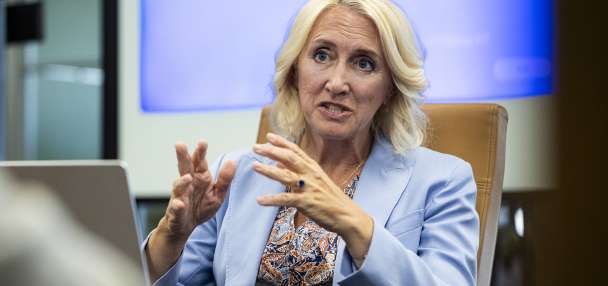
"Members of the Legislature have formed a working group to study potential changes to SB153 based on constituent feedback," Rep. Paul Cutler, R-Centerville, told KSL in a statement. "We are looking at the privacy protections in all 50 states to see how we can ensure privacy for potential at-risk voters while still complying with federal law."
"I strongly encourage those with concerns to reach out to your federal representatives to update the National Voter Registration Act to reflect current privacy concerns and modern data privacy standards," he added.
Sen. John Johnson, R-North Ogden, the sponsor of the bill, told his colleagues in January that Utah's previous voter privacy law "conflicts with federal law and exposes the state to ongoing litigation risk."
"What this actually does is it just tightens the requirements for withholding your information so you actually have to show that you have cause for doing that," Johnson said, adding that it also gives protection for those facing safety risks. "This protection is not discretionary. County clerks must grant it to qualifying individuals."
Lawmakers in the working group view the issue as a conflict between state and federal law they would like to clear up, not a partisan political issue.
Cutler said five members of the Utah House of Representatives participated in the working group's last meeting. He said they have invited a Senate member to participate and have included at least one Democrat in the discussions.
It remains to be seen what, if any, changes are enacted as a result of the working group. Lawmakers will meet several times throughout the rest of the year on an interim basis before convening for a general legislative session in January.
Many Utah voters have already been impacted by the change, as SB153 took effect on May 6.