- Gov. Spencer Cox declared a drought emergency in Utah.
- The order activates state emergency operations and advises water conservation measures.
- Nearly 95% of Utah is in severe drought; emergency lasts 30 days unless extended.
SALT LAKE CITY — Gov. Spencer Cox has issued an emergency declaration over Utah's worsening drought situation.
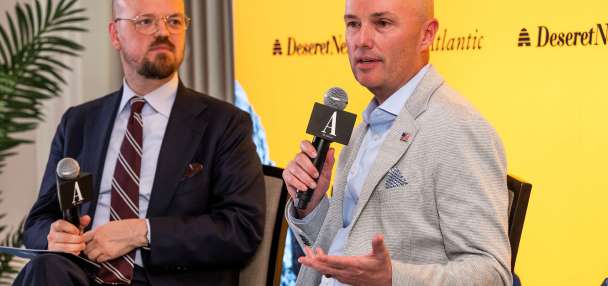
"This declaration is about more than just paperwork; it facilitates the use of emergency resources (and) raises awareness to ensure a unified, coordinated response," the governor said, as he spoke about the state's water situation at Little Dell Reservoir on Thursday. "This is a record-breaking challenge, but Utahns are record-breaking. We can't control the weather, but we can control the tap."
The order activates the state's emergency operations plan and instructs its drought response committee to review the situation and needs associated with it. Its members will recommend actions to address any drought needs and outline interagency coordination.
It also requires state agencies to follow the Utah Division of Water Resources' weekly water guide for any water at outdoor properties.
The order recommends that water suppliers and irrigation companies encourage efficient landscape watering, while cities and counties develop and implement water restriction plans to promote water conservation for the irrigation season that is now underway.
Residents are asked to reduce outdoor water use and waste, as well. This can come from fixing irrigation leaks and inefficiencies, installing smart water controllers, switching to waterwise landscaping in some areas of their lawn or installing drip irrigation. Installing low-flow toilets and fixing pipe leaks can help reduce indoor water, as well.
The order remains in effect for the next 30 days, unless extended by the Utah Legislature.
It differs from another emergency declaration that Cox issued last week, which opened up resources for farmers in 10 counties across the state who were impacted by late-winter freezes in April.
The governor issued a drought emergency last year, but that only covered 17 counties in central and southern Utah that experienced a bad snowpack. About 72% of the state was in drought this time last year, including 43% in severe or extreme drought.
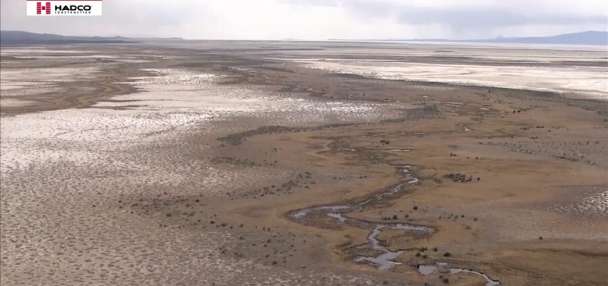
Nearly 95% of the state is now in severe drought or worse, including over 60% in extreme or exceptional drought, according to the U.S. Drought Monitor. Only small parts of southwest and northeast Utah remain in moderate drought.
Soil moisture levels had dropped to record-low levels for mid-May before storms passed through the state this week, as most of the record-low snowpack has melted since levels peaked early two months ago. Even after this week's late snowfall, only about 5% of the state's peak snowpack is left to melt.
Hydrologists and fire forecasters say the late-season storms are beneficial in slowing down the drought, but don't fix the overall issue led by
Better conditions in April and early May didn't change the state's water outlook either. The Bear, Provo and Weber rivers, along with Big Cottonwood Creek, were all projected to have bottom-five snowpack runoffs within a record period spanning 60 to 120 years, the National Weather Service Colorado Basin River Forecast Center noted in its May water outlook.
The U.S. Department of Agriculture issued a natural disaster designation for most of Utah in April because of the drought, which provides farmers and ranchers access to emergency loans to assist with the replacement of equipment, livestock, refinance of some debts or reorganization of farming operations.
Cache, Morgan, Rich and Washington were the only ineligible counties in Utah. The federal government set a Dec. 10 deadline for applications.
This story will be updated. To be notified about updates, please click Follow This Story below on the KSL app.