- Utah's proposed 1,300-bed homeless campus may cost over $142 million to build.
- Annual operation costs could reach $47 million, exceeding initial estimates from the state.
- A report questions the project's value and effectiveness in reducing homelessness in Utah.
SALT LAKE CITY — Utah estimates a 1,300-bed homeless service campus on the west side of Salt Lake City will cost approximately $75 million to build and $34 million to operate every year, but a new report suggests the costs might be much higher than that.
Its authors also believe the state is overselling the project's value. State homeless officials, however, say they are committed to elements that the campus would offer, and didn't say whether they still plan on building the facility.
The project that was unveiled last year might cost at least $142 million to build — but likely more — to meet the features promised in the campus, Kimbley Burnett and Samuel Dastrup, two Utah-based independent external researchers, estimated in a report first published in late April.
They also estimate that it could cost at least $47 million annually to operate once it's open, based on other outside variables.
"We think that the state's estimates are fairly drastic underestimates," Burnett said, as she presented the report's findings on Thursday, adding that the project seems to blend high-risk and low-risk individuals, which can "worsen outcomes" for low-risk people at the campus.
Burnett and Dastrup compiled the report after they were approached by the Corporation for Supportive Housing, a national nonprofit that handles housing and homelessness issues, to better understand Utah's proposed project that had garnered controversy.
The Utah Office of Homeless Services and the Utah Homeless Services Board announced in September that they had reached a contractual agreement to acquire a nearly 16-acre parcel of land in Salt Lake City's Northpoint area for a "first-of-its-kind" state homeless services campus.
The goal was to build a facility that offers stability for people experiencing homelessness, so they can reach "long-term self-reliance," said Wayne Niederhauser, Utah's state homeless coordinator at the time.
"We're looking to have a human approach to this, matching up the needs of individuals to the treatments and opportunities that will be on the campus," he said.
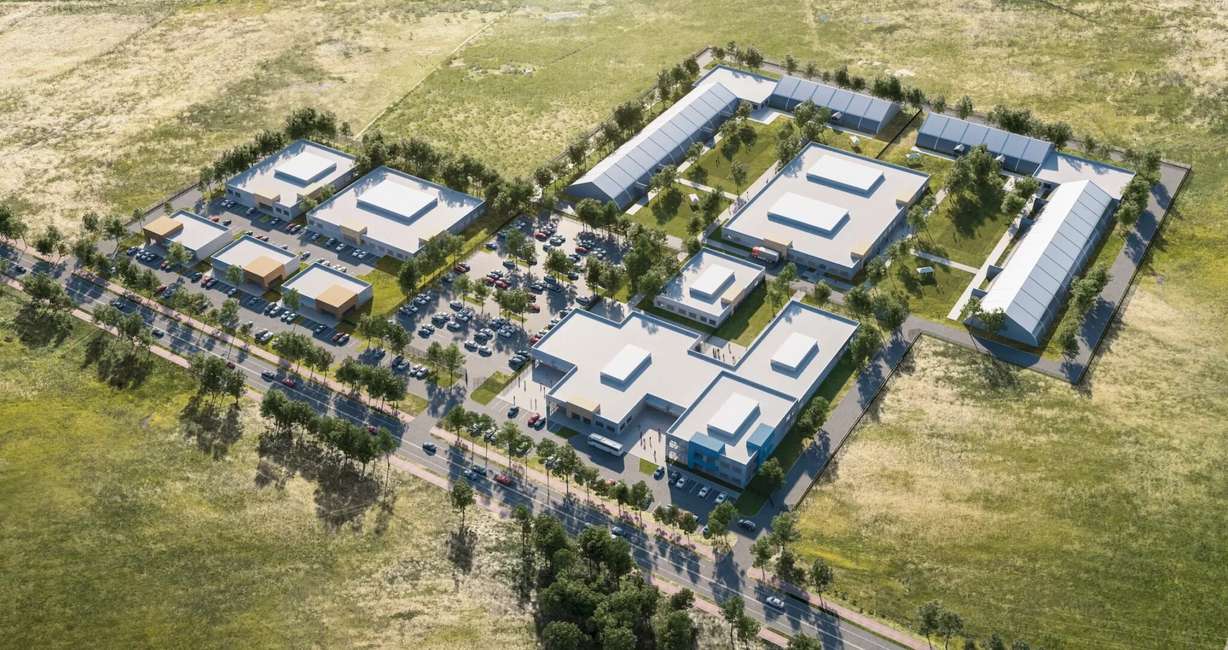
However, it faced scrutiny over its location away from most resources and proximity to the Great Salt Lake, and uncertainty over costs.
Utah's estimate methodology wasn't made public, Burnett said, so she and Dastrup reviewed construction costs of similar campuses in Atlanta, Dallas, Phoenix, San Antonio and Reno, Nevada, and the cost to operate them on a per-bed basis. They also reviewed local homeless data to better understand the population that might use a local facility.
What they found is that Salt Lake County's homeless trends are "unusual" compared to peer cities, spiking in the number of unsheltered and chronic homelessness. There were more self-reported cases of chronic substance abuse and serious mental illness.
There were no clear explanations for it, but Dastrup said rising housing costs and housing instability seemed to be a large factor, noting that "sharp increases" in people experiencing homelessness began in 2022.
While he and Burnett found there are still many needs to address the issue, they estimated the costs to be higher than projected based on what the campus would offer and construction costs.
The report also found that:
- The number of "high utilizers," a subset of the homeless population who commit a disproportionate number of crimes and who are eligible for involuntary inpatient commitment, might be fewer than projected, thus reducing need.
- Evidence on centralized campuses is "mixed," finding that there is no proof that it reduces homelessness, while projects with the best outcomes had investments in permanent housing for people experiencing chronic homelessness.
- There is "lacking" evidence that the treatment approaches would work.
- The project could run into policy issues, such as legal challenges to large-scale involuntary components. Its complexity in tackling multiple issues at once might also run into challenges.
It's still unclear if Utah plans to move forward with the campus, though.
Tyler Clancy, Utah's new homeless coordinator, didn't say where the project stands after the Utah Legislature allocated close to $45 million toward homeless services during the 2026 legislative session, which went toward three elements outlined by Gov. Spencer Cox, but not necessarily the campus.
The three elements, Cox said, are creating more accountability for the high-utilizers, creating housing and emergency shelters for people in need, and creating better mental and behavioral health infrastructure to address the hurdles that may otherwise thwart a person's ability to recover.
The campus, Clancy explains, is "a concept" for how to accomplish Cox's vision to address various issues within the homelessness and social services systems, such as housing and stability, as well as substance abuse and mental health treatment and domestic violence services.
Those are all elements that Utah wants to address, whether in a centralized campus or pieced together in other ways. For instance, Utah launched a 100-day effort called Project BRIDGE on Thursday, where representatives of various resource entities met with people at the Switchpoint Overflow Shelter in West Valley City to help get to the next step in recovery.
Clancy, who read Burnett and Dastrup's report, adds that he believes it failed to grasp that.
"Digging into details, I think, maybe misses the point of the main mission to make sure, which is to make sure that whatever the services ... Utahns need on their pathway to recovery, we want to make sure that infrastructure is there," he said.
Contributing: Heather Peterson