'%3e%3cpath%20d='M34.1406%205.85938C30.3906%202.10547%2025.3047%200%2020%200C14.6953%200%209.60938%202.10547%205.85938%205.85938C2.10938%209.61328%200%2014.6953%200%2020C0%2025.3047%202.10547%2030.3906%205.85938%2034.1406C9.61328%2037.8906%2014.6953%2040%2020%2040C25.3047%2040%2030.3906%2037.8945%2034.1406%2034.1406C37.8906%2030.3906%2040%2025.3047%2040%2020C40%2014.6953%2037.8945%209.60938%2034.1406%205.85938ZM37.0117%2023.543H31.1602V13.5391H27.6328V19.9414C28.1211%2020.6914%2028.3711%2021.582%2028.3711%2022.5625V22.625C28.3711%2023.668%2028.1172%2024.6055%2027.6328%2025.4297V26.6094H36.082C33.4883%2032.9375%2027.2891%2037.3789%2020.0039%2037.3789C10.3711%2037.3789%202.62109%2029.6289%202.62109%2020C2.62109%2010.3711%2010.3711%202.62109%2020%202.62109C29.6289%202.62109%2037.3789%2010.3711%2037.3789%2020C37.3789%2021.1484%2037.2617%2022.2656%2037.0508%2023.3477C37.0391%2023.4141%2037.0234%2023.4766%2037.0117%2023.543Z'%20fill='white'/%3e%3cpath%20d='M22.3086%2018.5352C20.4336%2018.125%2019.9531%2017.8398%2019.9766%2017.1836V17.1406C19.9766%2016.6992%2020.3477%2016.2148%2021.4023%2016.2148C22.582%2016.2148%2023.8867%2016.6797%2025.0781%2017.4766L26.8516%2015.0195C25.4453%2013.8906%2023.707%2013.3398%2021.5547%2013.3398C18.5195%2013.3398%2016.4375%2015%2016.4063%2017.4766V17.5352C16.3633%2020.2617%2018.5859%2020.9805%2021.293%2021.6016C23.0391%2021.9766%2023.5703%2022.3164%2023.5703%2022.9609L23.5469%2022.9766C23.5469%2023.3906%2023.2578%2023.7031%2022.7852%2023.8359C22.5742%2023.9062%2022.1289%2023.9727%2021.5156%2023.9727C20.7617%2023.9727%2019.7539%2023.8633%2018.6328%2023.4844C18.0898%2023.2891%2017.4727%2023.0039%2016.8047%2022.6133L20.1406%2026.625C20.2813%2026.6602%2021.0977%2026.8516%2021.7734%2026.8516C25.0039%2026.8516%2027.0859%2025.2461%2027.1094%2022.6328V22.5703C27.1602%2020.1133%2025.2148%2019.1719%2022.3086%2018.5352Z'%20fill='white'/%3e%3cpath%20d='M5.24219%2013.5664V26.6133H8.75391V23.7578L10.2969%2021.9531L14.2031%2026.6133H18.3867L12.3555%2019.5195L17.4023%2013.5664H13.4531L8.75391%2019.0586V13.5664H5.24219Z'%20fill='white'/%3e%3c/g%3e%3cdefs%3e%3cclipPath%20id='clip0_97_2430'%3e%3crect%20width='40'%20height='40'%20fill='white'/%3e%3c/clipPath%3e%3c/defs%3e%3c/svg%3e)


- The William A. Burnard Warming Center in Logan saw a 34% increase from the previous winter in demand
- Heather Crockett emphasizes the need for a year-round shelter in the Cache Valley area.
- Older adults seeking refuge at the center increased by 80% this winter, up from the previous year.
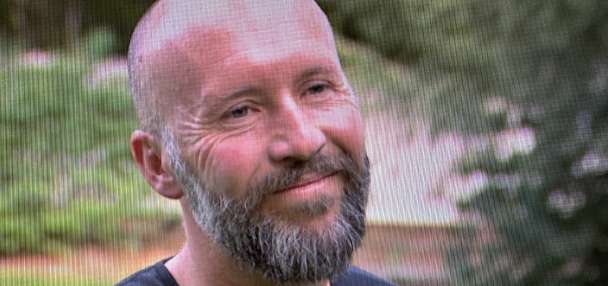
LOGAN — Headlines and compassion surrounding people experiencing homelessness may seem more prevalent during the winter or extreme weather events, but for Heather Crockett, who oversees the William A. Burnard Warming Center in Logan, it's something that weighs on her daily.
The center closed for the season last month, but she says their work doesn't stop.
"Homelessness continues after April, and I want to move from a warming center to a year-round shelter," Crockett told KSL.
While no official plans for such a facility are in place, she believes a year-round emergency shelter is needed for the Cache Valley area.
Roughly 84% of locals who responded to a recent Utah State University Transforming Communities Institute survey also agreed that a 24-hour resource center is needed beyond the winter months.
Logan City Councilwoman Katie Lee-Koven told KSL in an email that while no discussions about homelessness have come up in her short time on the council since January, the matter has come up in the past, and many elected officials "are concerned about the growing number of unhoused individuals in Cache County."
Meanwhile, local officials are grateful for resources like the William A. Burnard Center, as well as the Cache Valley Humanitarian Center, CAPSA, a nonprofit domestic violence, sexual abuse and rape recovery center, and the Bear River Association of Governments for their work in addressing homelessness in the area.
A new 24/7 crisis response center aimed to serve residents in Cache, Box Elder and Rich counties seeking mental health resources is also being constructed in Logan.
"Logan City has been providing a small amount of funding to CAPSA for their services, but homelessness is not a city issue; it is a county and state issue," said Lee-Koven, in a statement. "So as a city, it is important for us to understand our role relative to the role of the county and state on this issue."
Logan's only overnight warming center has been housed in a dedicated space inside St. John's Episcopal Church for the past four years.
Crockett, who has been in her role as executive director for less than a year, said she'd like to get to a point where William A. Burnard Warming Center is operating out of its own building — with fewer restrictions on how long it can stay open to serve more people in need.
"These people are no longer faceless to me," she said. "I now know who's on the street, and I know their stories, and they're no longer strangers."
Despite a warmer-than-usual winter, she said the center saw a 34% increase from the previous year in the number of nights of shelter offered between the end of last November and April 11.
About 172 individuals turned to the William A. Burnard Warming Center throughout the winter, and the average stay was about 30 nights.
The center has room to accommodate around 35 people, though they exceeded that number on multiple occasions.
"So we did reach max capacity several times and the good news was that we didn't have to turn anybody away," Crockett said. The center provided hotel vouchers, thanks to donor funds, to unhoused individuals when all of its beds were filled.
Perhaps a more glaring reality from the past winter was an 80% increase in older adults seeking refuge at the center.
"That truth on the street right now, that's keeping me up at night," Crockett said.
While the Burnard Warming Center served more individuals this winter, Crockett said they also helped more than a dozen families obtain their own homes.
'Of the 21 families that came this season, all but two got housed, which was wonderful. We were so excited that with just a little bit of support, we were able to get them back into housing quickly," she said.
Statewide, Utah leaders on Tuesday touted a somewhat similar glimmer of hope, as preliminary numbers from the January 2026 Point-in-Time Count revealed a 1.6% decline in homelessness from 2025.
The slight reversal in Utah's homeless population marks the first year-over-year decrease since 2019. It comes after the state posted an 18% rise in 2025.
That same 2025 data showed 159 people were found unsheltered across the Bear River district, which includes Box Elder, Cache and Rich counties. Of the 159 individuals, all but 13 were homeless for the first time and almost 90 of them were escaping a domestic violence situation, according to the Department of Workforce Services.
Crockett said she's spoken with local officials about the need for more supportive solutions to homelessness and, in conjunction with the Bear River local homeless council, hopes to continue the conversation.
"I'm really excited for our meeting that will be happening in June — we are working on extending an invitation to all local government leaders and representatives to do a data walk and show them what homelessness has looked like in this area," she said.