- Utah civics teachers feel anxious discussing the constitution due to the political climate.
- Teachers worry lessons may be misconstrued as biased in today's viral age.
- The focus is shifting to historical context over current events to maintain classroom neutrality.
SALT LAKE CITY — This year we celebrate the country's 250th birthday, but some Utah civics teachers are tiptoeing through lessons about the constitution because of the current political climate. Several U.S. government teachers and an instructor who teaches those teachers said many in Utah feel like they're "walking on eggshells" when they discuss the constitution.
"They're nervous," Savannah Eccles Johnston, from the Center for Constitutional Studies at Utah Valley University, said. "They feel a sense of, not fear, but anxiety."
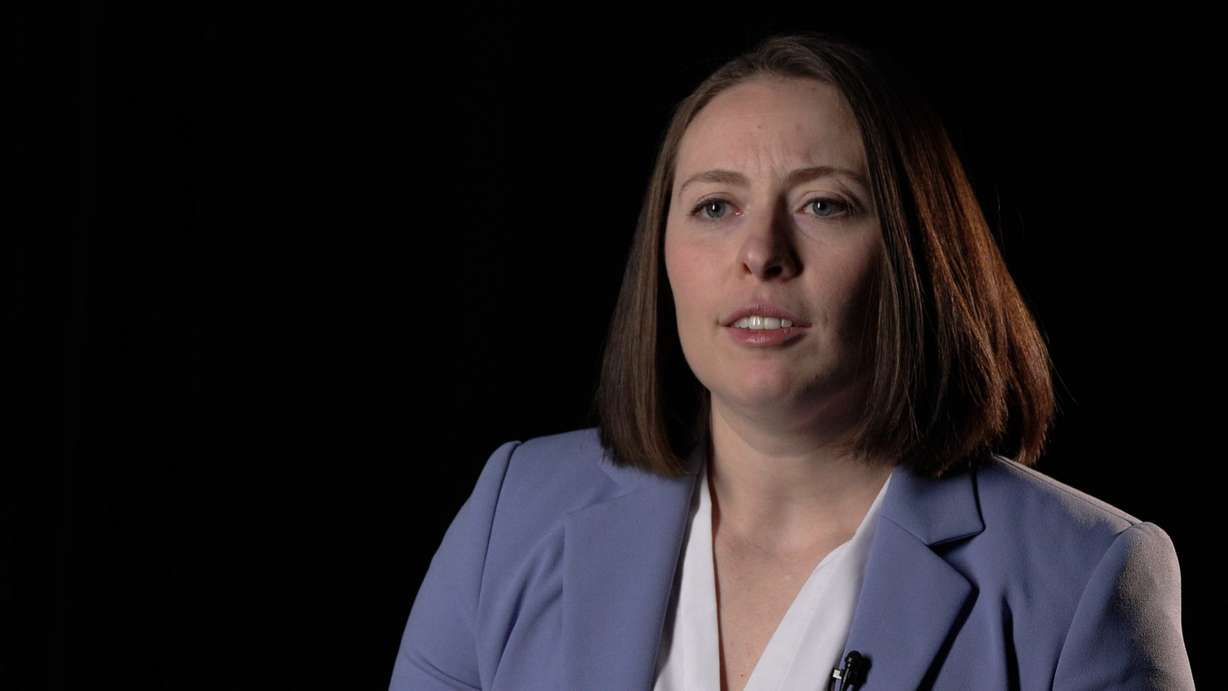
"I think we're much more cautious about what we say," teacher LeNina Wimmer said.
"Some are feeling very much that they are walking on eggshells," teacher Cheryl Jindeel said.
Some, but not all, teachers we spoke with said they worried parents might misconstrue lessons as biased, especially in an age when complaints can go viral.
That sentiment was echoed last fall by a small survey from the Sandra Day O'Connor Institute. About three-fourths of the two dozen teachers surveyed said they self-censored their lessons.
"I'm much more guarded, much more cautious about what I do, and I feel like I've had to take some things out that maybe were not controversial," Wimmer said, "but were just in that idea of 'we're not gonna go there.'"
She said she has fewer open classroom discussions, no longer shares an online ideology self-quiz during class and doesn't plan some classroom debates she has in the past.
"You want to encourage conversation and discussion in a class like this, but you have to be so careful," she said."Something that was so innocent before now has a lot of charge to it."
"Teaching about constitutional principles like separation of powers and rule of law now start to have a political ring to them," said Donna Phillips, of the Center for Civic Education.
"I want to focus less on current events. I'd rather talk about, let's look at this historically," Wimmer said.
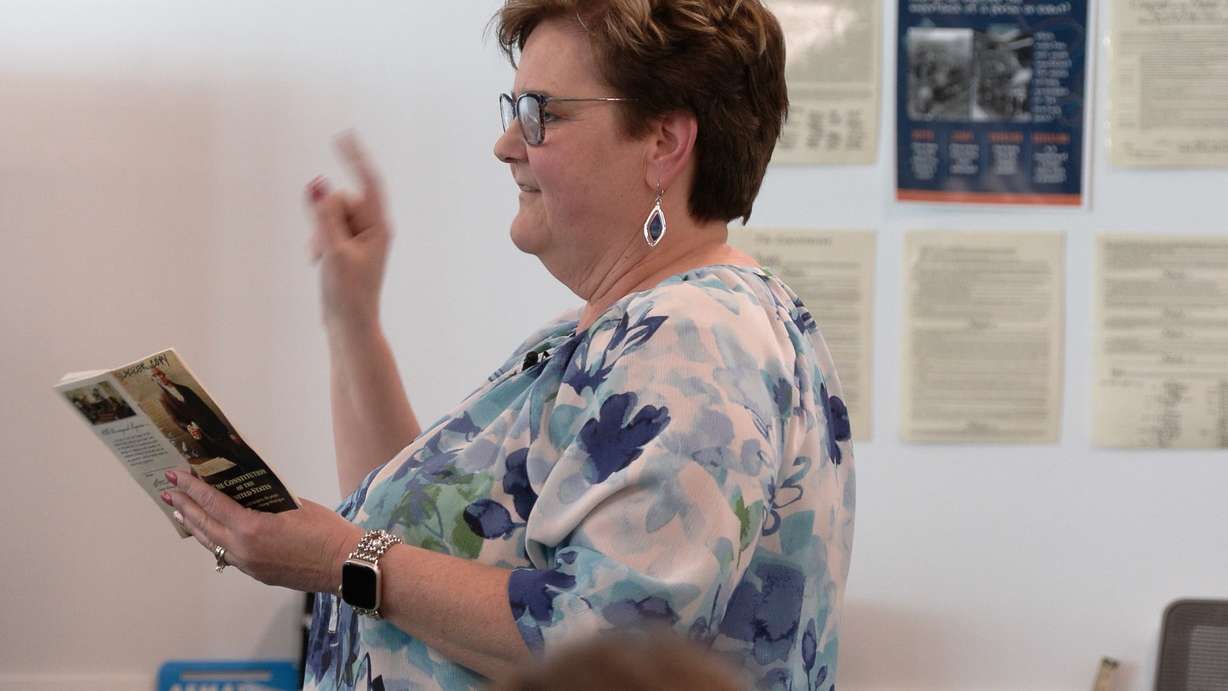
Johnston, who teaches civics teachers, said she recommends they focus their lessons on the Constitution.
"Our constitutional solar system relies on institutional thinking," she said.
As an example, she cites the end of the Richard Nixon presidency.
"Nixon is obstinate," she said. "He's not going to step down."
"It takes Republicans in the Senate, especially one Barry Goldwater, to go to the White House and say to a fellow Republican, 'Mr. President, we have the votes against you in the Senate,'" she said.
"'If you don't resign there will be an impeachment.' This is a Republican saying to a Republican 'we will act in the interest of the institution not in the interest of our party.' So it can be effective."
Tina Ellsworth, president of the National Council for the Social Studies, a national organization for social studies teachers, said she thinks civics teachers aren't as nervous as they were a year ago.
"I think a year ago people were really nervous because things were happening, changes were coming out of Washington pretty fast and furiously, and people were unsure what it was going to lead to," she said.
"At the end of the day, keeping the constitution front and center is really what keeps this liberty alive in their hearts," she said.
"The constitution is the thing that holds us together."
"If we don't give them (the students) the space to learn civil discourse, to understand multiple perspectives, to build some human empathy, where are they going to learn it?" Ellsworth said.