Estimated read time: 4-5 minutes
- A Utah audit raised "significant" issues with state oversight of a Medicaid nursing home program.
- The audit found only 49% of money administered by three entities over nine years was spent on nursing home care.
- Hospitals dispute audit findings, warning recommendations could harm the program's viability.
SALT LAKE CITY — A state audit raised "significant" issues with Utah's oversight of a federal nursing home program, which it says led to more than half of the program's funds being used for hospital improvements, not nursing care.
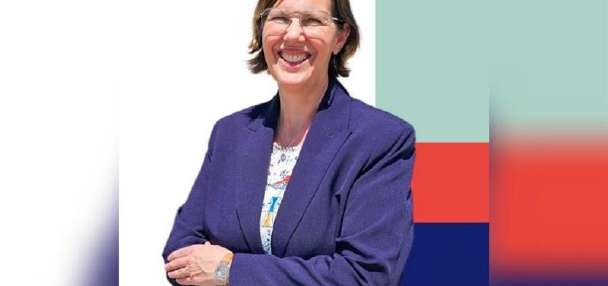
The report, released by State Auditor Tina Cannon, examined funds spent through the Skilled Nursing Facility-Upper Payment Limit program for almost 10 years between 2016 and 2024.
Cannon said only 49% of the $922 million spent on the program during that time was spent on improving nursing home care while the rest was retained by several organizations that operate nursing facilities and hospitals.
"It is deeply concerning that over half of the funds intended to support Medicaid patients in skilled nursing facilities didn't reach the intended recipients," Cannon stated. "These are not just numbers on a spreadsheet, this is about ensuring that this type of Medicaid funding is used for its intended purpose — to provide direct care and improve the quality of life for patients in nursing facilities."
Several hospitals mentioned in the audit pushed back on the findings, saying the funds were used in compliance with state and federal law and that the audit's recommendations would be the "death knell" of the nursing home program in Utah.
Medicaid is a health insurance program for low-income Americans that is funded by states with a partial reimbursement by the federal government. Utah's Upper Payment Limit program was created in 2013, meant to "help close the gap between the amount Medicaid pays for nursing care and the higher amount paid by Medicare for the same services," according to the report, which referred to the federal health insurance program for older adults.
Under Utah's plan, only nonstate government entities can qualify for subsidies, meaning state hospitals and private nursing facilities cannot participate.
According to the audit, the majority of the 75 Upper Payment Limit licenses issued by the state are held by three entities: Beaver Valley Hospital holds 44, Gunnison Valley Hospital holds 15 and Kane County Hospital holds five.
Those entities administered $922 million during the nine years the audit covered, and the report said only $450 million of that was used by nursing facilities, with the rest going to cover a "combination of owner compensation, administrative costs and hospital operating expenses."
"We found that the funds were generally under the control of the (entity) rather than nursing facility management and that the (entity) used a significant portion of the funds to improve care at the (entity) hospital, rather than at the nursing facilities," the report states. "This appears to be contrary to the purpose of the funds."
The state auditor recommended that the Utah Department of Health and Human Services better oversee the amount of money spent on nursing care and that the state modify its Medicaid plan to set allowed administrative fees and clarify that all other funds be spent "for their intended purpose."
"We urge the Department of Health and Human Services to implement our recommendations to ensure these funds are accounted for appropriately and transparently and are used as intended: for the benefit of nursing facility residents," Cannon said.
In response, Department of Health and Human Services Executive Director Tracy Gruber concurred or partially concurred with each recommendation, calling the audit a chance to "improve the transparency of our program management."
"We are prepared to implement improvements within the timelines identified in the enclosed response to ensure that UPL program effectively supports the facilities and the populations they serve," she wrote.
Rather than issuing a typical agency response, the three hospitals pushed back hard on the findings in a letter sent by an attorney, saying "that it can be difficult for any audit team to fully grasp the details of a large government funding program." The letter noted that the audit found no compliance failures with their contract, the State Medicaid Plan or state and federal laws.
It said the implementation of the recommendations "will literally destroy an essential state program, cause the loss of nearly $100 million annually for health care, cause dozens of nursing facilities to close their doors and leave thousands of patients annually with no professional care options."
"The Utah Legislature will then need to try to fund that loss with state appropriated funds to avoid this catastrophe," the letter continued.
The letter also took issue with the audit's characterization that the findings have prevented funding from reaching nursing homes, calling the statement "fundamentally wrong." It said funds are deposited directly into accounts that are available only for nursing home expenses.
Any surplus funds could be used for other health care purposes, "but only after all nursing facility costs have been paid," the letter states.