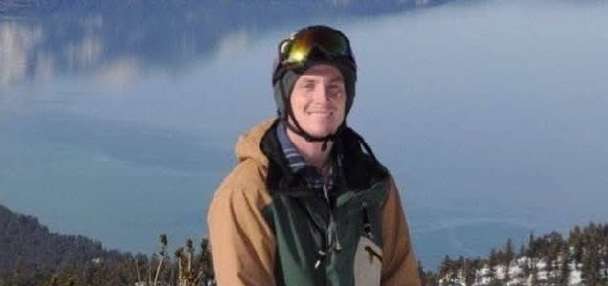
- Tyler Robinson's defense requests that his May preliminary hearing be rescheduled or vacated.
- Robinson, 22, charged with capital murder, faces potential death sentence if convicted.
- Defense cites incomplete discovery, requiring time for evidence analysis and expert consultations.
PROVO — Tyler Robinson and his defense team have filed a motion requesting that his preliminary hearing scheduled in May be continued.
The motion, which was expected, says defense attorneys need more time to digest the volumes of evidence that have already been shared by the state, as well as an expected large amount of evidence that they have yet to receive.
Robinson, 22, is charged with capital murder and faces a potential death sentence if convicted of killing Charlie Kirk, 31, on Sept. 10 on the campus of Utah Valley University. A preliminary hearing is currently scheduled for May 18, 19 and 21.
"Discovery in this case is incomplete, voluminous, and the processing of it is complex," Robinson argues in his motion to have his preliminary hearing either continued or vacated with new dates to be determined at a later time.
Prosecutors and defense attorneys met on March 12, and based on that meeting, the defense believes the state "intends to present discrete 'buckets' of evidence through three identified law enforcement witnesses at the preliminary hearing. This includes conclusory forensic DNA and ballistics reports authored by the FBI and the ATF, phone and social media data, testimony by law enforcement officials about the crime scene and search locations, and testimony by Mr. Robinson's parents and roommate," as well as "a significant amount of hearsay" from "nontestifying peace officers," the motion states.
During a preliminary hearing, prosecutors present evidence and testimony to convince a judge that there is sufficient probable cause to show that a defendant committed certain crimes and that the defendant should stand trial by a jury of his peers on those charges.
Robinson's defense says it has already received about 20,000 electronic files of audio, video and written documents that prosecutors have identified as evidence.
"The defense team has devoted, and will continue to devote, significant resources to processing discovery, including identifying materials not yet received to inform readiness for the preliminary hearing. However, the defense team is realistic, and the comprehensive review required to determine what is missing will take hundreds of hours," their motion argues. "What is known at present is that Mr. Robinson has not received the forensic case files and data necessary to investigate, through the use of qualified experts, the scientific reports the state intends to introduce at the preliminary hearing.
"Notwithstanding the Utah County Attorney's Office's apparent best efforts, two federal law enforcement agencies, ATF and FBI, and State Bureau of Investigation have not been able to produce discovery in time for the May 2026 preliminary hearing to occur," the motion continues. "Both the Utah County Attorney's Office and Mr. Robinson continue to await a vast amount of information relevant to a review of the FBI's and the ATF's DNA analysis, including but not limited to validation studies and crucial electronic data files, the report and case file for a comparative bullet analysis and bullet lead analysis that is still in progress at the FBI, and the case file and protocols for a comparative bullet analysis conducted by the ATF."
Robinson says DNA reports by the FBI and Bureau of Alcohol, Tobacco, Firearms and Explosives, for example, will take time for the defense to analyze because the reports indicated that multiple quantities of DNA were found on some items of evidence.
"As these cases indicate, determining the number of contributors to a DNA mixture, and determining whether the FBI and the ATF reliably applied validated and correct scientific procedures … is a complicated process which requires the assistance of various types of experts, including forensic biologists, geneticists, system engineers, and statisticians, all of whom must review and evaluate" several categories, the motion states.
In regard to firearm evidence, defense attorneys say an initial report from the ATF "indicates that the ATF was unable to identify the bullet recovered at autopsy to the rifle allegedly tied to Mr. Robinson. Although the state has not indicated an intent to produce this report at the preliminary hearing, the defense may very well decide to offer the testimony of the ATF firearm analyst as exculpatory evidence," according to the motion.
Robinson's next court hearing is scheduled for April 17. At that time, the issue of allowing cameras and microphones in the courtroom will be argued.