- Despite Utah's mild winter, demand for homeless shelters remains high, advocates say.
- The William A. Burnard Warming Center in Logan often reaches capacity, aiding many.
- Heather Crockett urges community support to address homelessness and resource shortages in Cache Valley.
SALT LAKE CITY — Utah's warmer-than-average winter did not stop homeless people seeking refuge from the outdoors from staying at local warming centers.
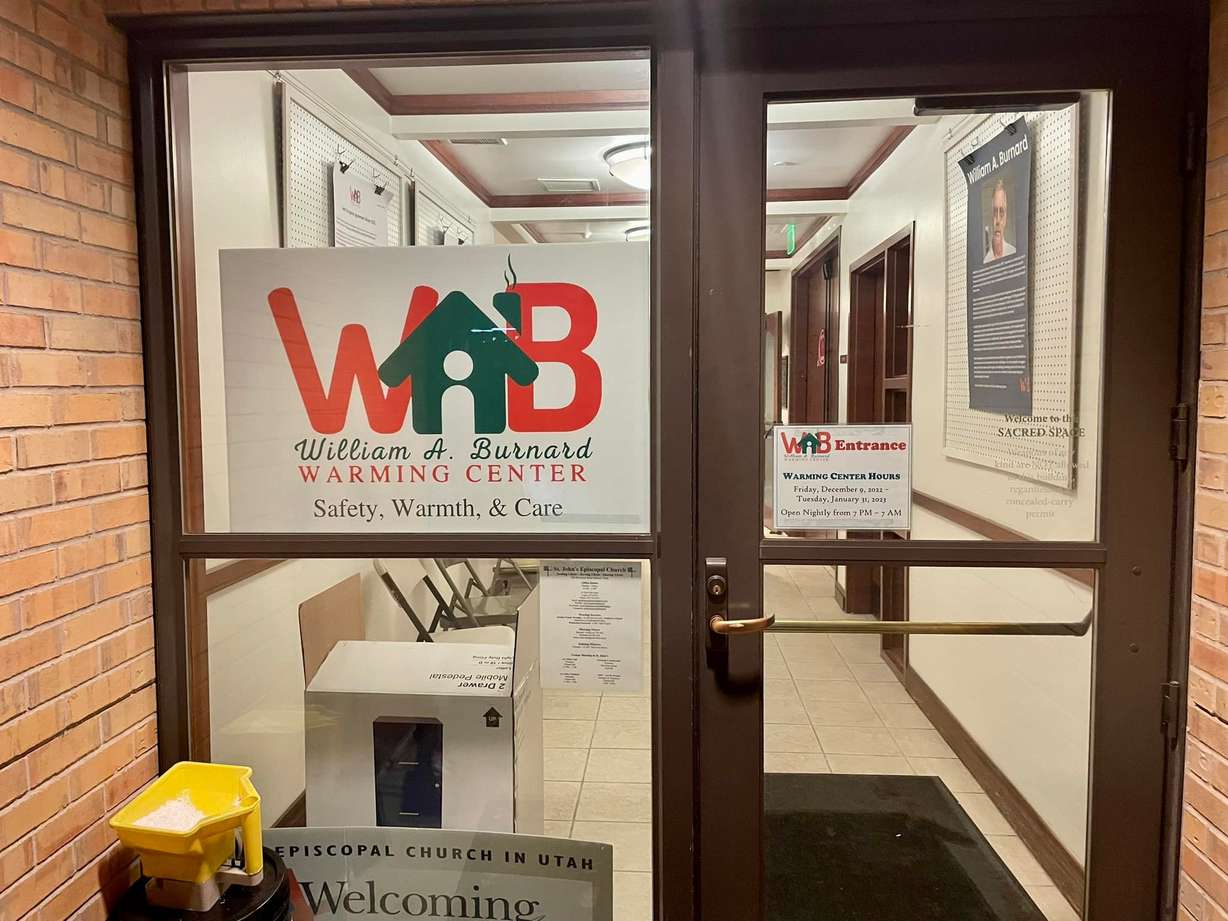
Operators at the William A. Burnard Warming Center in Logan say they've continued to see a demand for shelter beds since opening for the winter season in late November.
"Despite the fact that this has been the warmest winter on record, at this point in the season, we have offered more nights of shelter than we ever have before," Heather Crockett, executive director of the warming center, said Tuesday.
The center, which has a dedicated space inside St. John's Episcopal Church, has room for 35 people, but can accommodate up to 45 if needed.
Crockett said on several recent occasions this winter, they've hit that capacity.
The Burnard Warming Center typically allows both individuals and families to stay in the facility, but in one case, Crockett had to send a family of four looking for bed space to a hotel because the warming center simply didn't have enough room.
"That was my cheapest way to handle that situation," she told KSL.
The warming center offers guests a hot meal, but the uptick in people has also led to a shortage of food, according to Crockett.
In Utah, counties are required to designate overnight warming sites to provide shelter for those experiencing homelessness during a code blue alert — when temperatures drop to 18 degrees or more, including wind chill, for two hours or more within a 24-hour period.
Fewer code blue alerts were issued this winter as temperatures only reached the required threshold a little more than a dozen times. However, the Burnard Warming Center is one of several sites in the state that are open seven nights a week during the winter, regardless of the overnight temperature.
Crockett said the warming center is in its fourth year and has, since its opening, provided more than 600 people with a safe, warm place to sleep.
"Our numbers have gone up each season, and I don't see that changing anytime in the near future; we're just bulging at the seams," she said.
More than two hours south in Provo, winter response efforts saw numerous changes from the previous year, going from three warming centers to only one, heightened security measures and a shorter season. But unsheltered individuals still used the resource.
The Utah County warming center had been open each night of the week since mid-November and wrapped up services on Monday.
Community Action Services and Food Bank housing director Kena Mathews said the warming center averaged around 75 people per night. On its busiest night, the facility served about 92 individuals.
"I mean, definitely the resource was used, regardless of weather. We did see a little (fewer) numbers than we did last year; I think that had to do with the weather," she said.
Last winter, the same warehouse room had a maximum capacity of 113 people, with an average of about 77 people per night.
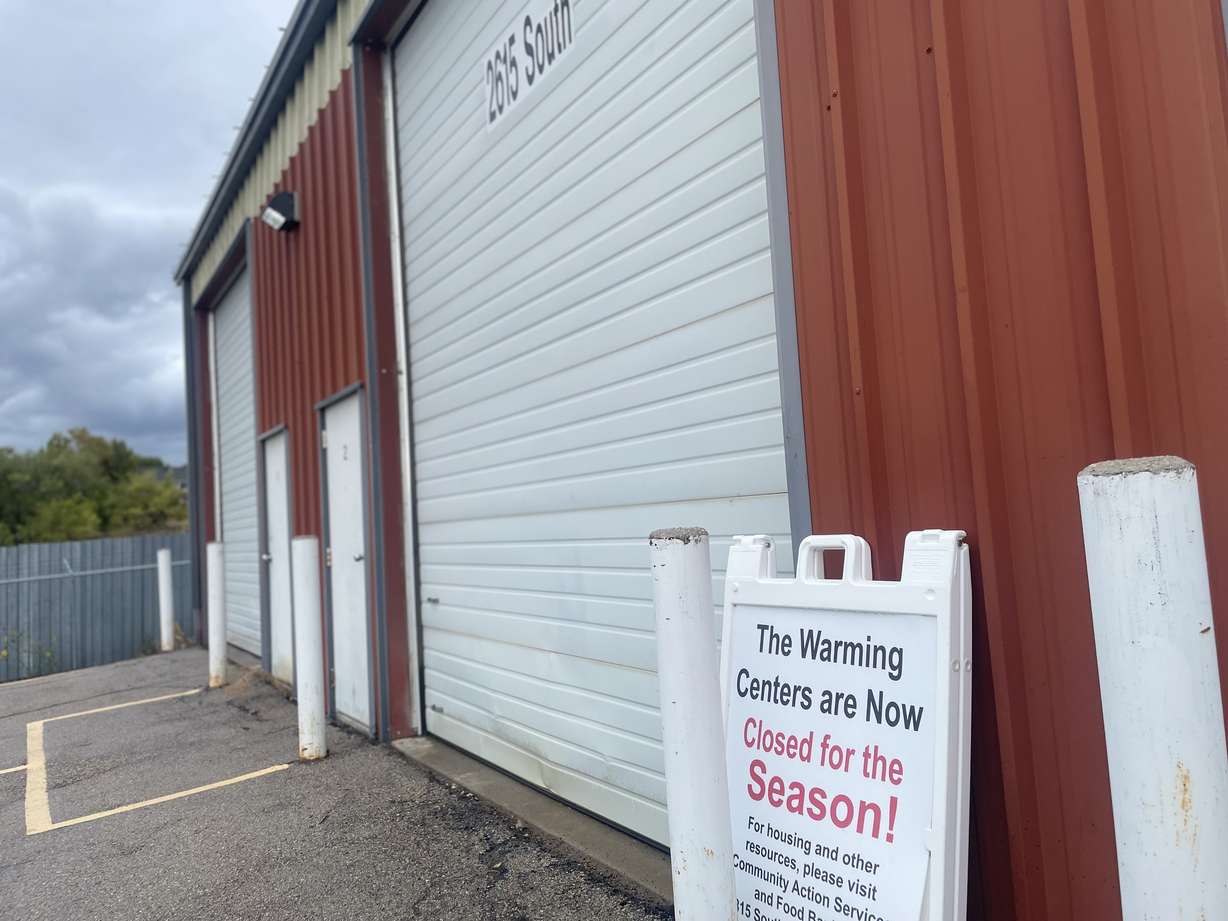
Although Utah County's warming center program ended more than a month earlier than the previous year, Mathews said they could reopen the facility between now and the end of April in the event of a code blue alert.
She hopes they can keep it open a bit longer next winter, but that will be up to the Utah County Winter Response Task Force, which will devise and submit its plans to the state later this year for future efforts.
"We just feel like we need a little more time to work with people," she said.
The warming center in Logan still has a few more weeks before it ends for the season on April 11. Crockett, who has only been in her current role since last October, said she is grappling with the thought of closing next month until later this year when services begin for the 2026-27 winter season.
"It is going to kill me to say, 'Hey, go find a good bridge you can sleep under,'" she said. "And do it to people who are not capable of caring for themselves."
Crockett said the center serves people who suffer from various disabilities due to age or mental illness; she fears they may have no other place to turn due to a lack of resources in Cache Valley.
"The need is here and it's time for the community to come together to address that in a meaningful manner," she suggested.
Crockett said she hopes to work with local elected officials to identify ways to boost shelter and supportive resources for people experiencing homelessness in Cache Valley.
"My hope is that I never have to shut the doors of the warming center again, because we have a building that is sufficient for the needs of the community," she said.
In the meantime, if people want to help, Crockett said the center needs more food to help get it through the end of its season.
Information on how to make a financial or physical donation can be found on the William A. Burnard Center's website.