- Utah's chronic homelessness surged post-COVID, reaching record levels by 2025.
- Gov. Cox appointed young leaders Clancy and Coleman to address the crisis.
- Their strategy includes a $75M central campus for treatment, despite budget challenges.
SALT LAKE CITY — National outlets declared Utah had solved chronic homelessness in 2015 through a "simple" program of taking people off the street and putting them in a home.
A decade of this "housing first" experiment reduced the number of chronically homeless — or, those homeless for over a year with addiction or mental illness — by 91%.
There was only one problem: it didn't last.
As synthetic drugs, skyrocketing costs and misaligned systems kept people in a cycle of instability, it became clear that a bed cannot repair a life in crisis.
By 2025, after homelessness surged during COVID-19, Utah recorded its highest levels of homelessness — including chronic homelessness — ever.
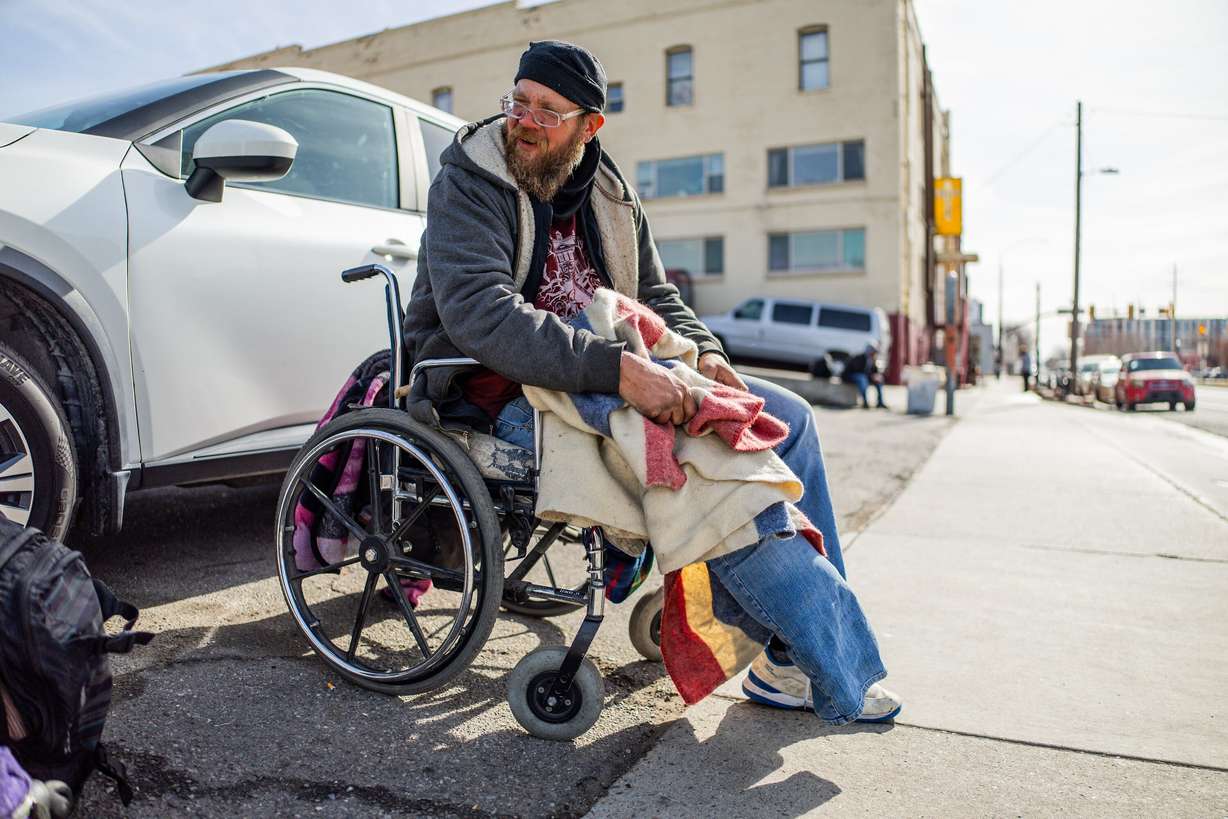
Nearly 4,600 Utahns slept in a shelter or on the sidewalk on a night in January, an 18% increase from 2024, driven by a jump in chronic homelessness from 906 to 1,233.
In October, former state Senate President Wayne Niederhauser, who became the state's inaugural homeless coordinator in 2021, announced his retirement after a long career in public service.
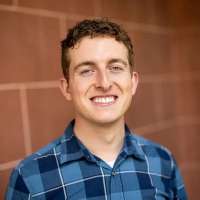
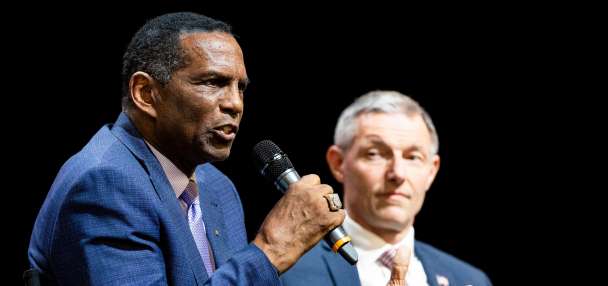
In his place, Gov. Spencer Cox appointed two 28-year-olds: state Rep. Tyler Clancy, a detective in the Provo Police Department, and Nick Coleman, Niederhauser's assistant.
The ascendant policymakers were in high school when Utah prematurely proclaimed victory over chronic homelessness. Now, the two are tasked with making that goal a reality.
Step one, they said, is to never call the solution "simple."
Utahns looking for 'big ideas'
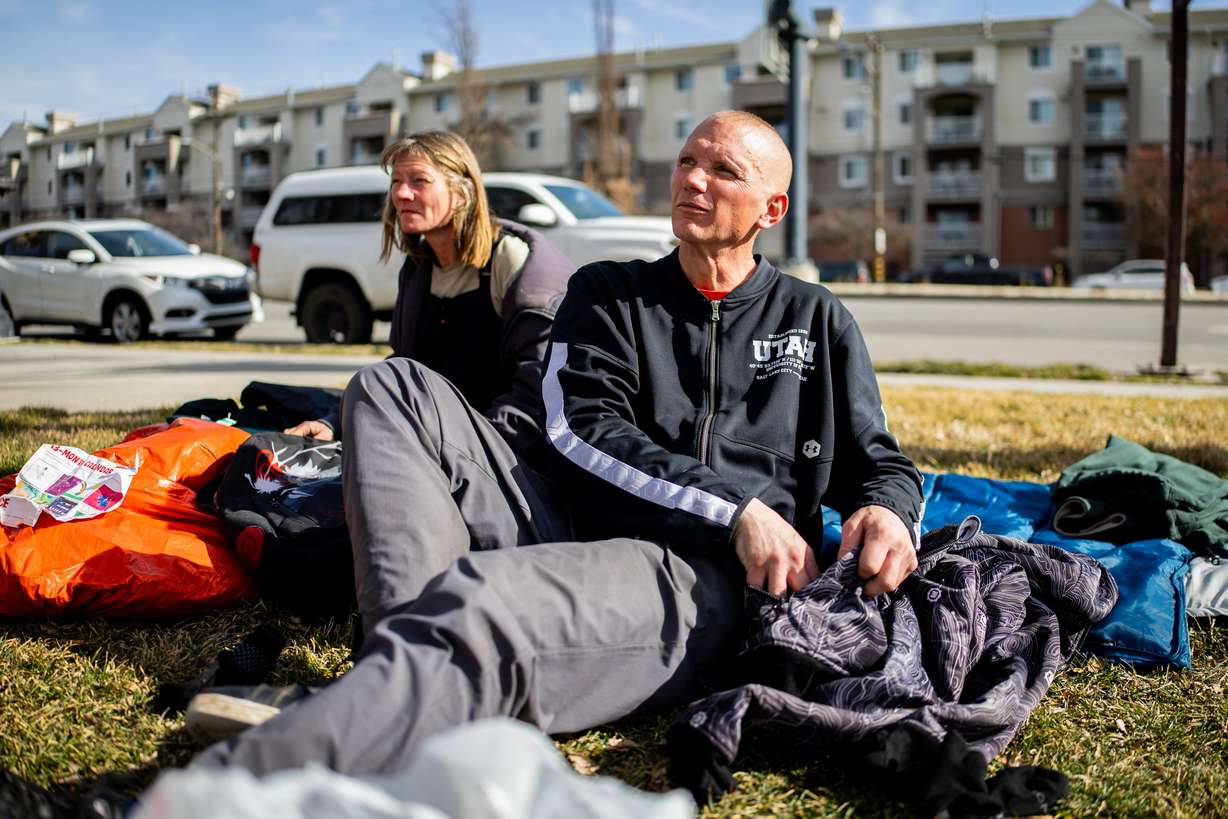
For Clancy and Coleman, the complexities of homelessness hit close to home.
When he was a pre-schooler, Coleman and his Ukrainian mother found themselves in a Salt Lake City shelter after a bad marriage dissolved, he told the Deseret News.
After studying philosophy and business at the University of Utah, Coleman was hired as Cox's director of strategic initiatives, where he did a deep dive into homeless policy.
Coleman then served as assistant state homeless coordinator under Niederhauser until he was appointed as interim coordinator during the 2026 legislative session.
When Clancy resigns from the Legislature in March, Coleman will remain his assistant. They are already united on their strategy, according to Coleman.
"The headline for this is that compassion without accountability doesn't last, and that accountability without compassion doesn't end up healing," Coleman said. Clancy also formed his worldview through firsthand encounters with homelessness.
While studying family life at Brigham Young University, Clancy worked as the executive director of the Pioneer Park Coalition, a nonprofit focused on homeless services.
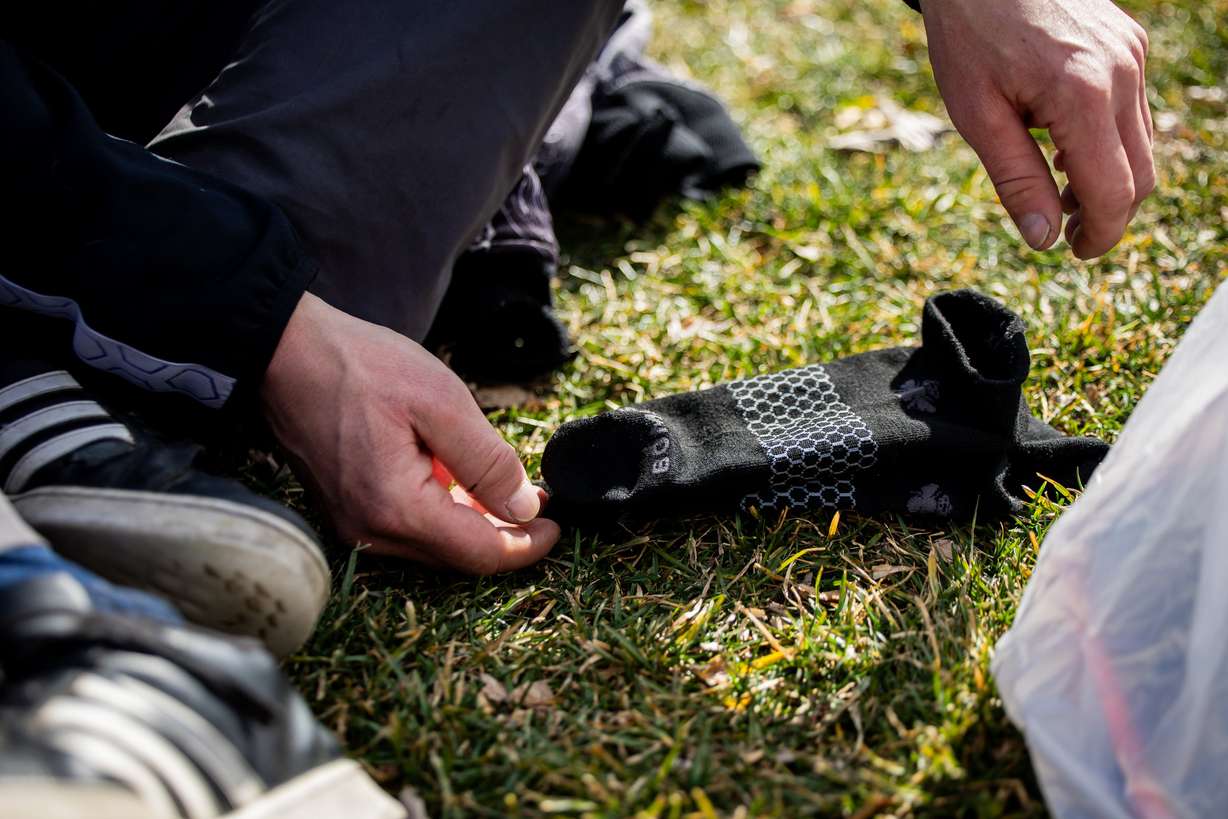
As a police officer, Clancy "sat with homeless folks on the curb" to observe the on-the-ground impact of state policies on Utah's homeless population.
Despite this resume, Clancy and Coleman have far less experience in public service than their predecessor, as they gain stewardship over the $150 million, including $30 million in grants, distributed by the Office of Homeless Services.
In a statement to the Deseret News, Cox praised the "energy and seriousness" of his homeless services team. According to Clancy, youth lends itself to bridge-building and brainstorming and a rebirth of Utah homeless policy.
"What the citizens of Utah are looking for is big ideas," Clancy told the Deseret News. "They don't want more of the same. They don't want excuses."
Cox's homelessness priorities
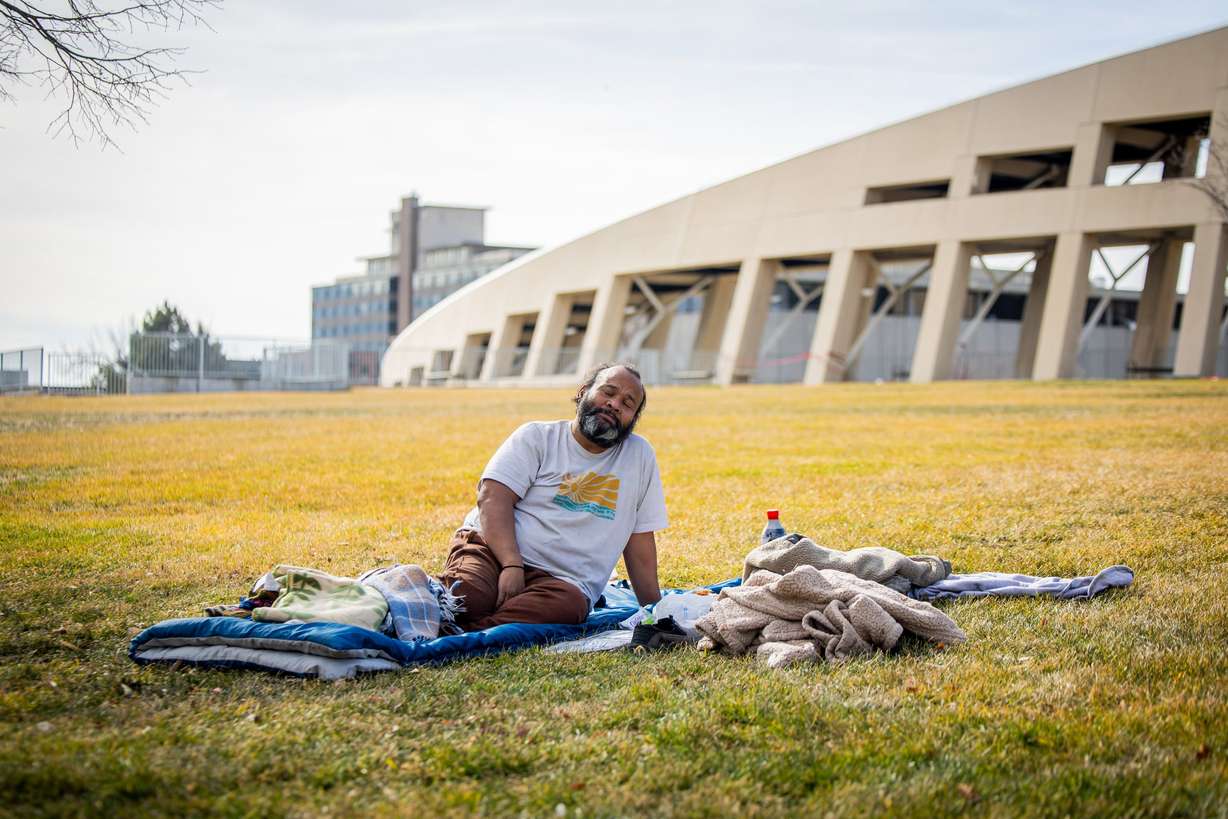
Over the past few years, Cox and Clancy have shifted Utah's homelessness conversation away from shelter space and toward the unique situation of each individual.
At the center of this change is a proposed "transformative" central campus where the chronically homeless can access treatment options in one location, potentially with the help of expanded involuntary commitment policies.
"Our mission is to make Utah the worst place in the country to camp on the street — and the best place to get help," Cox said in his annual State of the State speech last month.
But the ambitious vision Cox and Clancy have articulated of investing in a cohesive system that links law enforcement with long-term recovery is up against a tough budget year.
The campus — modeled after projects in Florida, Nevada and Texas — is estimated to cost $75 million to build, and around $30 million each year to operate.
Cox's priority for the 2026 legislative session was to secure a second round of $25 million to begin construction on the campus and another $20 million in ongoing funds to run it.
The plan relied on the Trump administration's change to the federal grants process, favoring Cox's proposal, to make up the difference. But it is currently held up in court.
Additionally, President Donald Trump's "One Big Beautiful Bill Act" reduced the state's income tax revenue by roughly $300 million, erasing the state's budget surplus.
These realities have turned Cox's budget request into a "placeholder" while he figures out how to implement the ideas behind the campus with a focus on those "who are cycling through jail, emergency rooms, and the streets."
"In a tight budget year, we're focused on a targeted, phased approach that puts resources where the data shows we can get measurable results, while continuing to evaluate long-term infrastructure needs like the central campus," Cox said in a statement.
But the answer was never going to be easy money. Utah has spent more than $200 million on shelter space since 2015 and nearly $270 million on homeless services just since 2020.
"We invest millions of dollars in homeless services … but if we don't have the system in place that has the right amount of pressure to push people to those well-funded services, it's all for naught," Clancy said.
The biggest challenge for chronic homelessness, according to Clancy, is a system that has, for too long, treated all homeless individuals the same, instead of having radically different and targeted interventions for "high utilizers."