- Utah Gov. Spencer Cox emphasized focusing on sports over politics at the Winter Olympics on Tuesday.
- Cox addressed recent events surrounding skier Hunter Hess and President Donald Trump's criticism of Hess.
- Cox highlighted Utah's welcoming nature and the Olympic Games' potential to unite people.
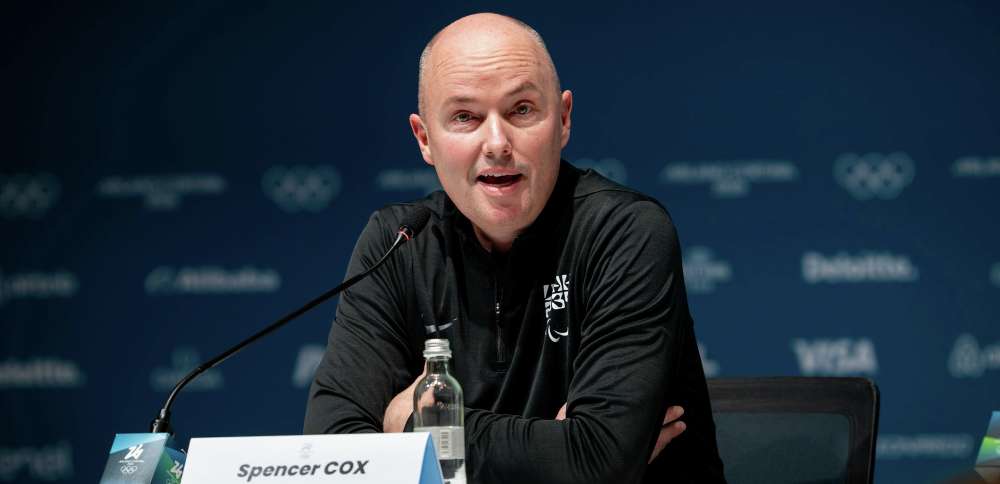
SALT LAKE CITY — Utah Gov. Spencer Cox had plenty to say Tuesday about the state's plans for the 2034 Winter Games to a roomful of international reporters in Milan.
But what they kept asking about was President Donald Trump's recent criticism of Team USA freestyle skier Hunter Hess, who said last week he had "mixed emotions" about representing his country in Italy.
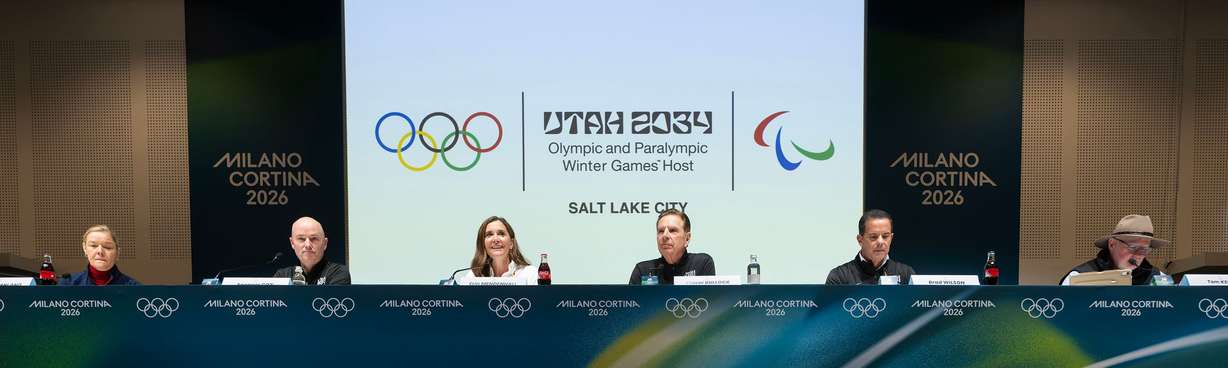
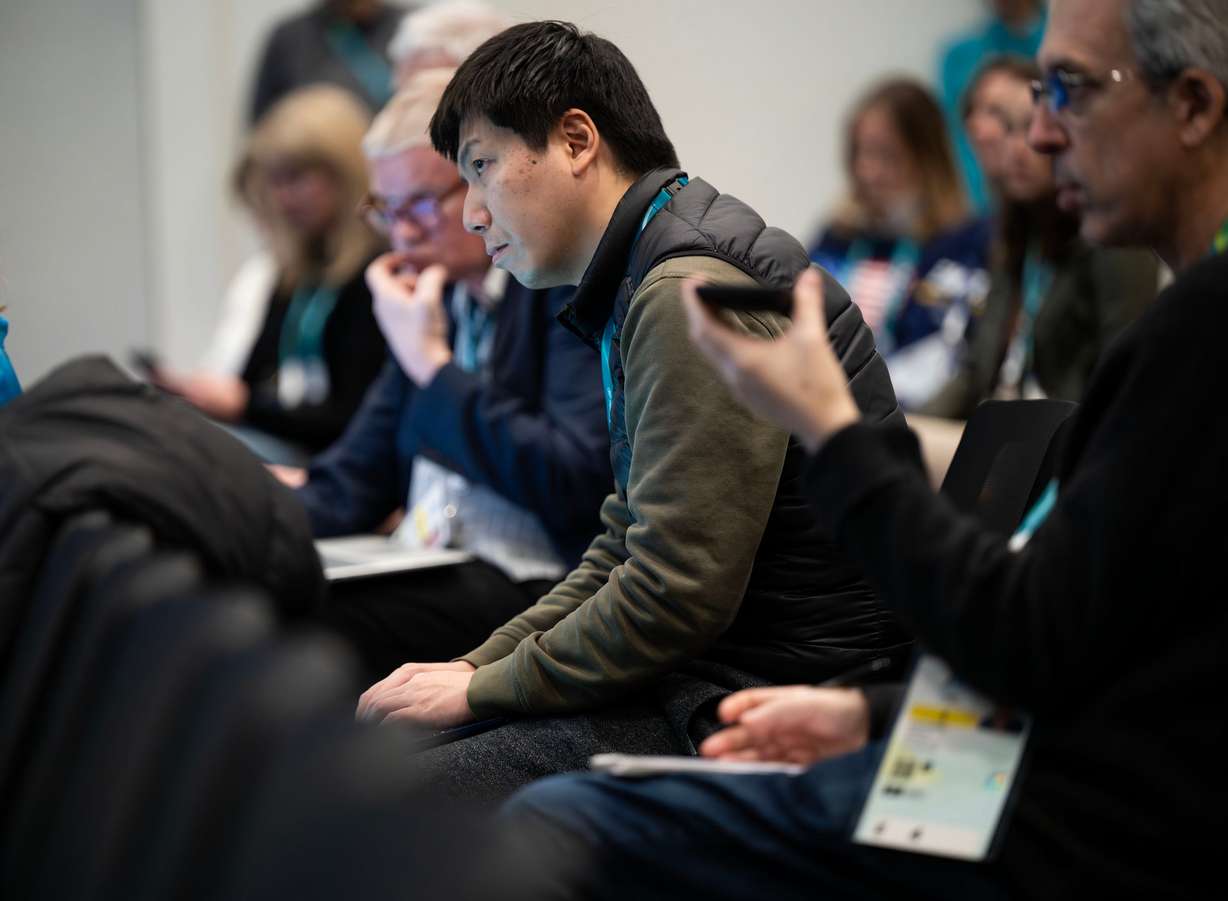
The governor was part of a Utah 2034 panel that also included Salt Lake City Mayor Erin Mendenhall and Organizing Committee leaders Fraser Bullock and Brad Wilson, held at the Main Press Center in Milan for the 2026 Winter Games.
"We love our athletes. We're grateful for our athletes. We recognize there are lots of divisions in our country and in our world today," Cox said. "I love that we get to live in a country where people get to speak their minds."
He said "that's true of athletes. It's true of governors, it's true of presidents, it's true of every individual in our country. And I'm grateful for that. Again, we care about unity. We believe that this is an opportunity to bring people together."
Cox said that "people are going to speak their minds, and I'm grateful for that. I think that makes us better."
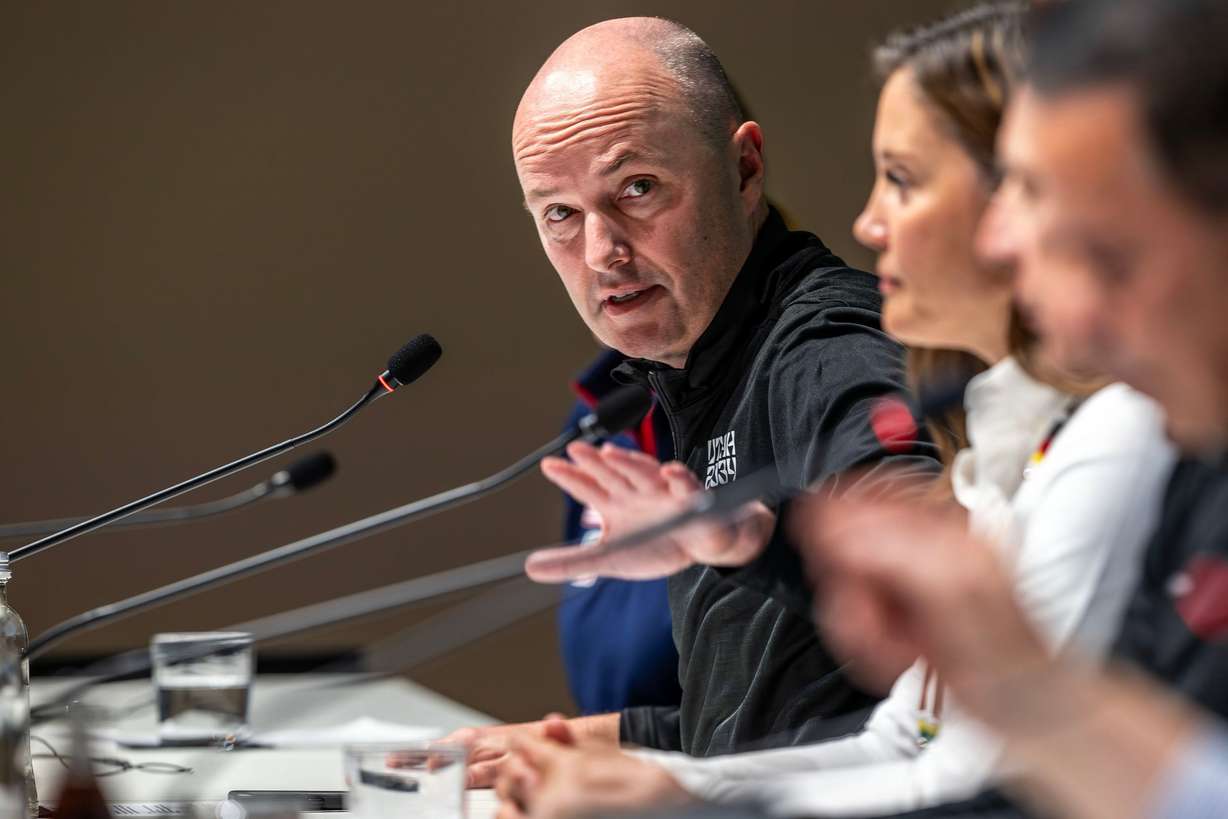
Pressed about whether America is a welcoming place under the administration's immigration policies, the governor said, "we care deeply about the political situation that's happening in the United States right now. The entire world watches the United States, maybe differently than other countries, and so everything gets highlighted more outside of the United States."
Then, he suggested the media sparked the controversy.
"I know the media loves this stuff. It gets a lot of clicks," Cox said. "I hate the questions you ask the athletes. These are kids out there competing. I think you should be asking them about their sports and about their competition. Let the politics take care of the politics. That will happen."
Cox said the United States has laws that need to be enforced.
"I think that's important. I think that's true in every country. I certainly had to show my documents when I came here to Italy," he said.
Urging the several dozen reporters in the room to visit Utah and see for themselves that Utah is "still a very welcoming place," along with the rest of the United States, Cox said concerns about immigration enforcement "are political issues that will be worked through. Eight years is a long ways away, for sure."
Hess, 27, had told reporters at another news conference in Milan last week that "just because I'm wearing the flag doesn't mean I represent everything that's going on in the U.S.," according to a CNN report.
"It's a little hard; there's obviously a lot going on that I'm not the biggest fan of, and I think a lot of people aren't," the Bend, Oregon, resident said. "I think for me, it's more I'm representing my friends and family back home, the people that represented it before me, all the things that I believe that are good about the U.S."
Trump posted Sunday that Hess "says he doesn't represent his Country in the current Winter Olympics. If that's the case, he shouldn't have tried out for the Team, and it's too bad he's on it. Very hard to root for someone like this. MAKE AMERICA GREAT AGAIN!"
The U.S. Olympic and Paralympic Committee later responded to threats made against Hess, saying the organization's "focus is on Hunter's protection and on ensuring he has the support and resources in place to compete on the world's largest stage."
At Tuesday's news conference, Sarah Hirshland, the CEO of the Colorado Springs-based USOPC, referred reporters to a recent social media post from Hess that began, "I love my country," to understand the context behind his earlier comments.
"There is so much that is great about America, but there are always things that could be better," Hess wrote. "One of the many things that makes this country so amazing is that we have the right and the freedom to point that out. The best part of the Olympics is that it brings people together, and when so many of us are divided we need that more than ever. I cannot wait to represent Team USA next week when I compete."
Hirshland said she has "all the confidence in the world that every member of Team USA is proud to represent our country and understands the opportunity to have to bring people together. We're all here for that."
Before the news conference opened to questions, Hirshland called Utah "an incredible place" with a unique sports culture that supports not just Team USA and other elite athletes who train and compete in the state, but also young hopefuls.
"It's something we're incredibly proud of," she said. "I cannot reiterate strongly enough how important Utah is in leading in that development."
Cox described the state as the youngest in the nation, a leader in volunteerism, economic growth, upward mobility and other key factors. Hosting an Olympics for the first time in 2002, he said, has helped bring some 1,200 major sporting events to Utah.
The governor also touted the athletes' families initiative to provide assistance with housing, transportation and tickets to those who'll come to support family members competing in the 2034 Olympics and Paralympics that follow for athletes with disabilities.
"We're considered the 'family state,'" the governor said, with the most children per capita. "We honor those families that have sacrificed so much for their athletes. One of the things we're most proud of is that we'll be hosting an athletes' family village for the first time."
The Games, Cox said, are loved in Utah "for many reasons but most of all is the way that it brings people together at a very divided time in our nation and in our world. This is an opportunity for us to come together, an opportunity for us to see the very best of humanity."