- A bill limiting legislative requests failed in the House Rules Committee on Thursday.
- Rep. Clint Okerlund, R-Sandy, introduced his bill that proposed limiting senators to 10 requests and representatives to six.
- Gov. Spencer Cox supported it, citing costs and inefficiency, but lawmakers expressed concerns, leading to a unanimous vote to hold the bill.
SALT LAKE CITY — It seemed like the bill to end all bills — or at least some of them.
But even with a resounding endorsement from the governor, a proposal to limit the number of legislative requests for Utah lawmakers hit a roadblock of skepticism and opposition.
HJR19, sponsored by Rep. Clint Okerlund, R-Sandy, was held by the House Rules Committee on Wednesday, stopping it from progressing any further for now.
Okerlund's bill (yes, technically, it's a resolution) seeks to limit the number of bills lawmakers can request. Under his plan, senators could have 10 requests, while representatives would be limited to six, with some exceptions.
This comes after a record 959 bills and resolutions were introduced at the Utah Legislature last year. Gov. Spencer Cox has criticized that growing number and even gave Okerlund a shoutout in his recent State of the State address.
"Godspeed to Rep. Okerlund with his very popular bill to limit bills," Cox said. "We love small government."
During the committee hearing, Okerlund argued that drafting bills is expensive, often costing thousands of dollars each in staff time. He also said too many bills run counter to small government, and some of them might not be adequately vetted with so many to go through.
"In a 45-day session, with the staff that we have and the resources that we have, I can tell you that our baseload that we can manage is not 959 bills or more," Okerlund said. "It's just not."
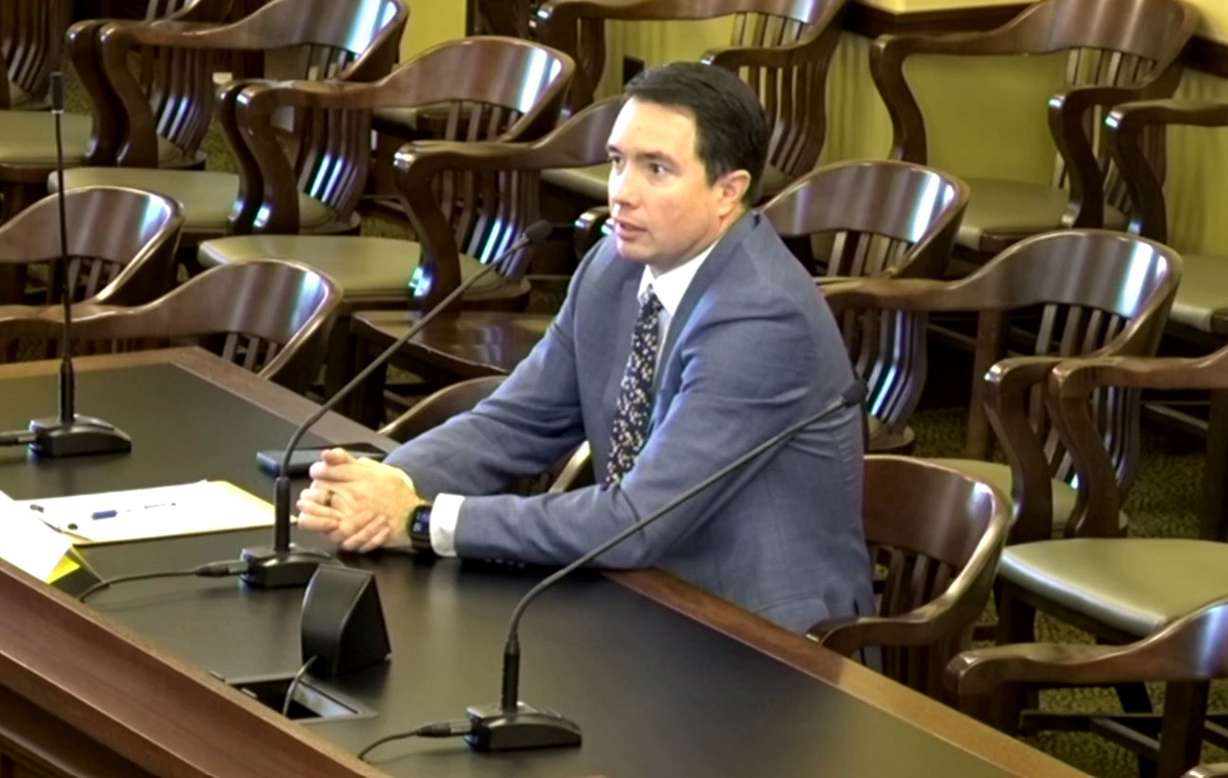
Okerlund insisted that staff attorneys, administrative directors, and everyday Utahns support having fewer bills.
"The only people who I think won't love this idea are the ones who can vote for it," Okerlund said, "and therein lies the rub."
But multiple lawmakers on the House panel disagreed, arguing that limiting the number of bills would limit their ability to serve their constituents.
"If we have a constituent that comes to us with a problem, I'm not thinking about, 'Well, how many bills' files do I have?' I think about, 'How do I solve that problem best,' and I put the bill forward," said Rep. Jordan Teuscher, R-South Jordan.
Teuscher added that restricting the number of bills would just lead to bigger bills.
"Bills that are very easy to digest get a lot more debate than bills that are very nuanced and very heavy," he said.
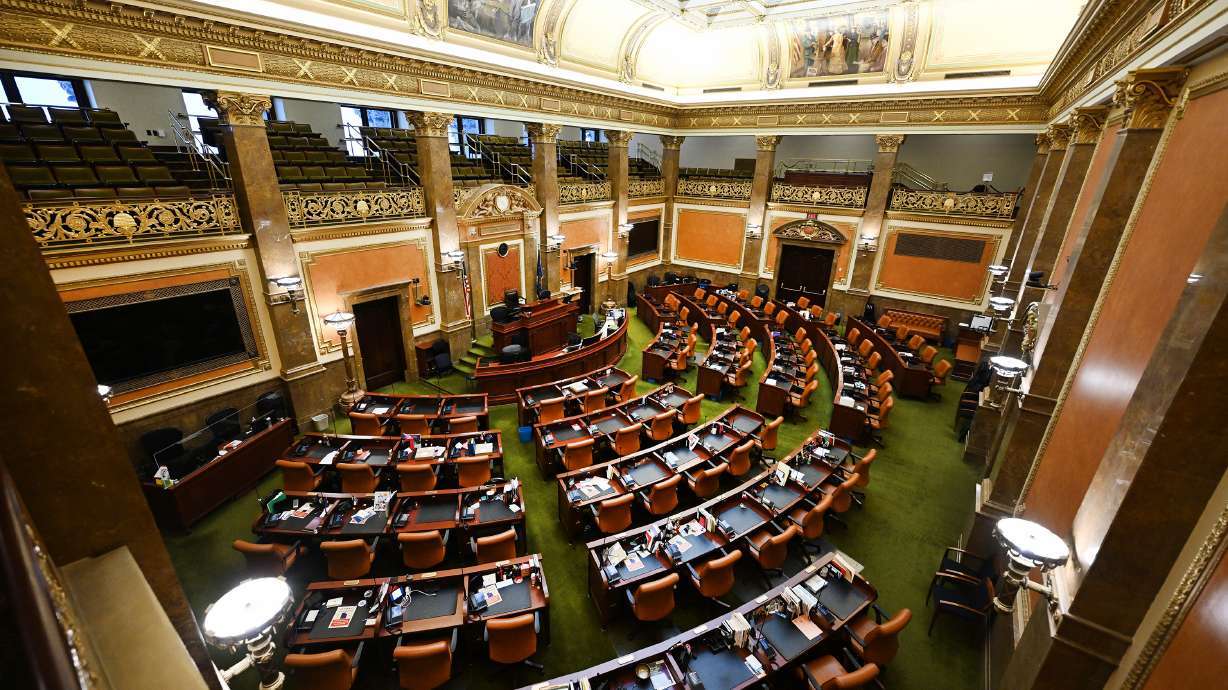
Rep. Ryan Wilcox, R-Ogden, also expressed concern about what he sees as a trend of "demonizing legislators for legislating."
After debating the issue, Rep. Jefferson Burton, R-Salem, proposed holding the bill and preventing it from advancing at this point. The committee voted unanimously, 6-0, to do that.
But Burton didn't totally disagree with the bill's aims, noting the high number of bills he sees from some of his colleagues.
"It seems their self-worth is based in number of bills, and that's not what we're here for," he said. "But I don't think that's always true. I think some legislators have a lot more requests because they're effective."