Estimated read time: 2-3 minutes
- Utah's snowpack remains 62% of the median average for late January.
- Record warmth has impacted Utah's snowpack, which accounts for 95% of water supply.
- State officials urge water conservation due to potential impact on reservoirs.
SALT LAKE CITY — Utah is either in drought or planning for the next one.
That common phase, shared among water managers in the state, is fresh on the state's mind at the start of 2026.
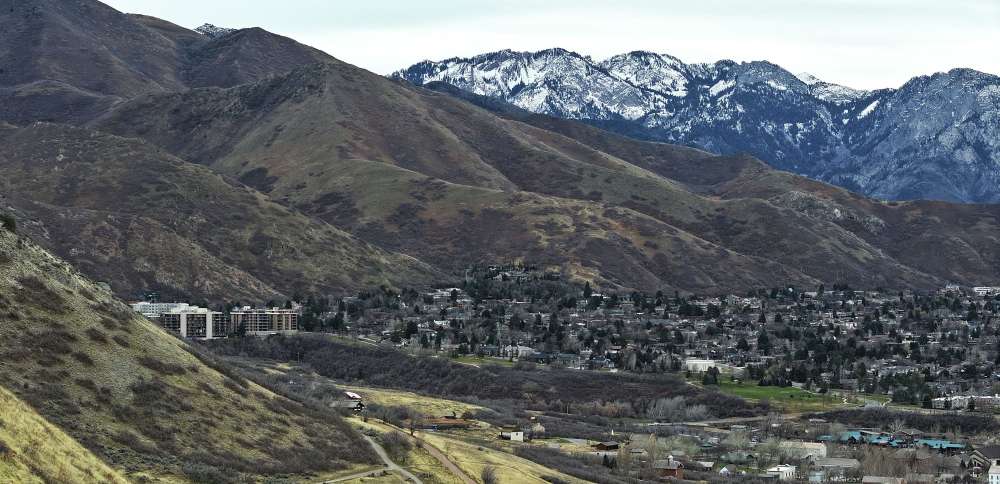
Utah's snowpack remains well below average nearly four months into its normal snow collection season. While hydrologists say there's still time to make progress, they warned that time is running out as they delivered a discouraging early water forecast based on what's been collected thus far, and what's likely over the rest of the season.
"We can all see that our water situation is not looking great," said Joel Williams, interim director of the Utah Division of Water Resources, adding that now might be the time to prepare for the next water shortage.
Utah's situation is tied to record warmth that has made it difficult for the city to benefit from above-normal precipitation since the water year began in October. It's left the state's snowpack at 62% of the median average for late January, as of Friday.
National Weather Service hydrologists project that it will slip into record-low territory by early February, before a more active pattern may reemerge later in the month. Snowpack accounts for approximately 95% of the state's water supply.
Utah's reservoir system remains above normal for this point in the year, which helps. However, some reservoirs are in better shape than others, and the preliminary water outlook means less water flowing into reservoirs across all water basins.
It's why some water managers and water users may have to make "tough decisions" this year, said Gary Henrie, a civil engineer at the U.S. Bureau of Reclamation.
Williams recommends that people review water conservation options now to limit any blows.
Some at-home tips for reducing water
- Turn off sprinklers when it's raining, windy or during the hottest time of the day. Check to make sure sprinklers aren't watering the sidewalk or driveway, and only use as much water your lawn needs.
- Set your mower blades to three inches to encourage strong root growth.
- Make sure that your toilet and pipes aren't leaking.
- Turn the water off while brushing your teeth or other hygiene activities.
- Wait to run your dishwasher until it's full, and use a more water-efficient Energy Star-certified dishwasher.
- Fill one half of the sink with rinse water instead of letting the water run when manually washing dishes. Reduce rinse time by using the minimum amount of soap needed.
- Wait to do laundry until you have a full load.
- Water houseplants with water saved from activities like washing vegetables or cooking pasta.
More tips can be found at slowtheflow.org.
A Western issue
Utah isn't alone in its situation.
Colorado's snowpack total slipped into record-low territory this week, while nearly every other state in the West — aside from Montana and Wyoming at 90% and 88%, respectively — is either close to a record low or well below normal, per Natural Resources Conservation Service data.
Experts in Utah's neighboring states have been equally puzzled by this winter, making it a topic of discussion amongst each other, said Jordan Clayton, a hydrologist for the agency.
It figures to impact the Colorado River this year, which many of the states share, as well as Lake Powell, a key piece of the new water sharing agreement that the states are still negotiating.
Snowpack above the Green River is looking solid, but barring any changes in snowpack, inflows into Lake Powell may only end up at 3.3 million acre-feet, which is only a little more than 50% of normal, the Colorado Basin River Forecast Center noted in an updated projection on Thursday. That's a blow for the reservoir, which has fallen back down to 27% capacity after a modest bump in recent years.
"That's pretty concerning," Clayton told KSL. "We're hoping things turn around in the Upper Basin."