- UDOT plans to increase bus service and implement tolling in Little Cottonwood Canyon over the next few winters.
- The $250 million plan includes about 30 new buses and two indoor bus stop facilities.
- Litigation over a proposed gondola continues, but UDOT proceeds with changes to address current traffic needs.
COTTONWOOD HEIGHTS — State transportation officials will move forward with the first phase of a controversial plan to handle Little Cottonwood Canyon traffic problems after all, despite ongoing litigation over it.
Utah Department of Transportation officials announced that it seeks to add approximately 30 new buses over the next two winters, ultimately increasing service frequency to Snowbird and Alta from every 30 minutes to 10 to 20 minutes by the end of the decade.
The $250 million plan will also feature other infrastructure additions, including two indoor facility stops at Snowbird Resort and Alta Ski Area, and would utilize a new mobility hub already planned at the mouth of Big Cottonwood Canyon. Tolling would also to be implemented, while roadside parking would be barred near the resorts in an effort to improve traffic flow.
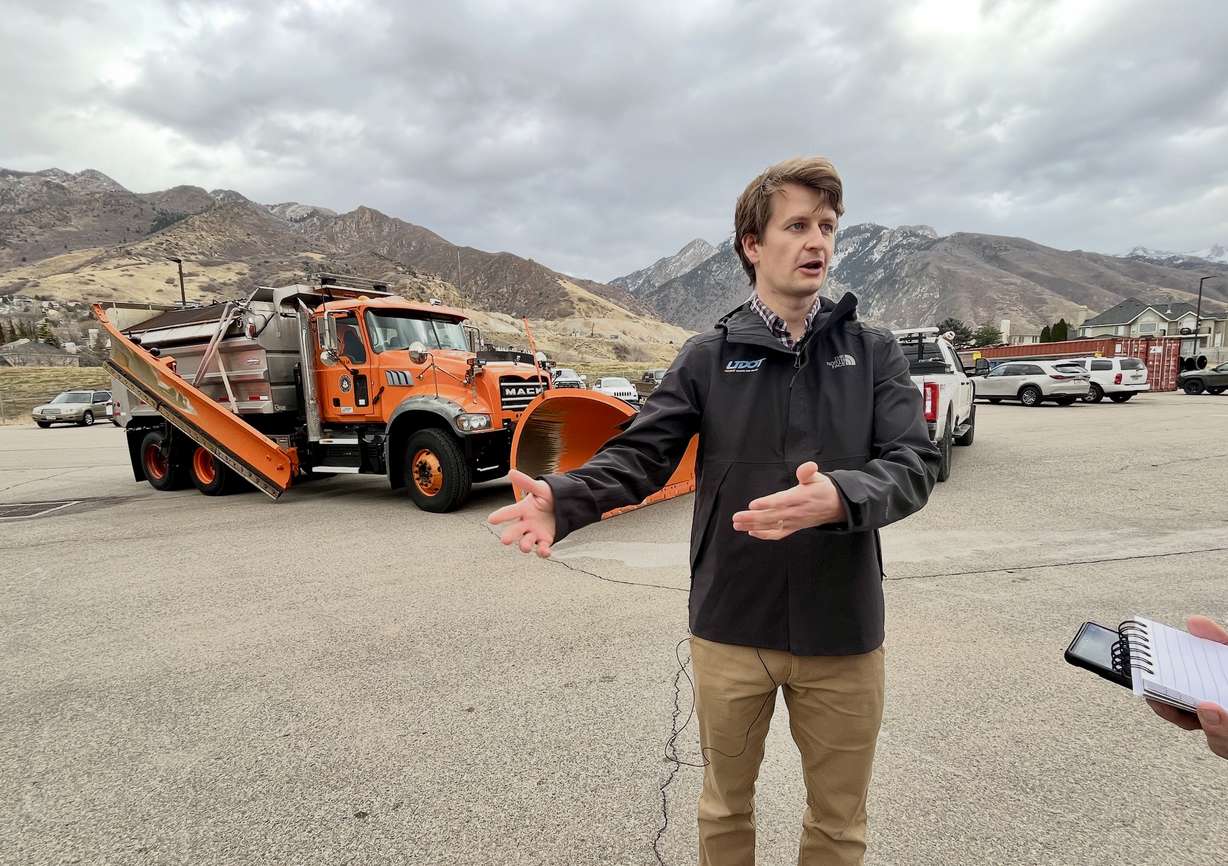
Officials hope to have "incremental improvement" over the next two winters, but reaching 10-minute service may still be a "few years" away, said Devin Weder, a UDOT project manager overseeing the implementation.
"We're really excited to get started. This is something that we've been planning for a long time," he said, standing at a state road maintenance facility near the mouths of the Cottonwood canyons.
All of Little Cottonwood Canyon's new features were included in the first phase of UDOT's three-part plan for the canyon in 2023, as the state seeks to address the "red snake," traffic backups that are so severe they cause major transportation headaches.
Environmental groups and some cities sued, however, over a gondola that's proposed at the end of the plan, expected to be constructed in the 2040s to ultimately replace the increased bus service. Those lawsuits were ultimately consolidated and are currently ongoing in federal court.
UDOT initially chose to delay implementation of the first phase until after the case was settled, but it chose to reverse course to handle the ongoing traffic situation, Weder explained.
"We're seeing — every year — more and more demand for the bus service, more and more demand to go skiing," he told KSL. "We've decided that we just can't wait any longer."
A few of the government leaders who pushed against the gondola portion of the plan said they welcome the upcoming changes UDOT plans to implement.
"We don't need to wait decades — or build a gondola — to make real, meaningful improvements in our canyons, and I appreciate UDOT's decision to move forward with Phase 1," said Salt Lake County Mayor Jenny Wilson. "The expansion of bus service, creating a mobility hub and managing demand with practical tools like tolling and parking restrictions are common-sense solutions that I have called for since the early stages of the UDOT process."
Salt Lake City Mayor Erin Mendenhall said she's "heartened" that UDOT is taking a phased approach to the plan, saying that the first phase should have "lower impacts to our watersheds." Salt Lake City joined the lawsuit over the potential impacts on Little Cottonwood Canyon, which it manages as a major source of drinking water for residents across the Salt Lake Valley.
The city is still "very concerned" about the short- and long-term impacts of the full project because of this, and will "continue to advocate for solutions that protect natural resources," the mayor added.
Alex Cabrero, KSLWednesday's announcement comes after UDOT announced earlier this month that it wants to add similar service improvements for Big Cottonwood Canyon, in a plan that the agency is expected to complete next year. The services would be similar because UDOT's Big Cottonwood Canyon study "dovetailed" off the Little Cottonwood Canyon, transportation officials said, but a future gondola is not planned there.
Some money has already been set aside for transit improvements in the two canyons, which would share the mobility hub near Big Cottonwood Canyon. But more funds are required to carry out both plans.
UDOT officials say they're confident that they can secure the extra funding, despite what figures to be a "flat" budget next year. Future funding will likely determine the timing for the phase's buildout.
"We're very optimistic," Weder said. "We have enough to start … but we hope to get the full amount to fully build out Phase 1."