
Estimated read time: 3-4 minutes
- Measles cases are rising in the U.S., with nearly 1,300 confirmed cases.
- Utah mom, Heather Williams, emphasizes vaccination after her children's NICU experience.
- Health experts warn against measles parties, advocate for MMR vaccine to prevent outbreaks.
BOUNTIFUL — As measles cases surge across the country, health officials are urging families to stay current on vaccinations, warning that even small drops in community immunity can lead to dangerous outbreaks.
So far this year, the U.S. has seen nearly 1,300 confirmed cases of measles, the highest number since the disease was declared eliminated in 2000. That includes nine cases in Utah and three deaths nationwide.
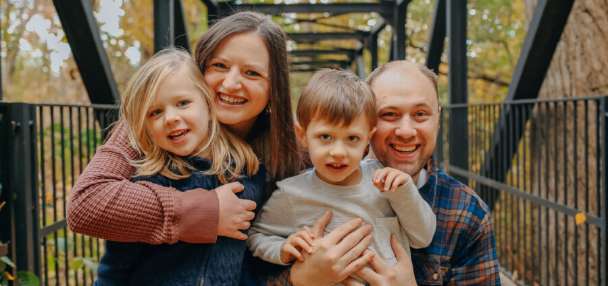
For Heather Williams, a science teacher and Bountiful mom of two, that concern hits closer to home.
"Thankfully, we are protected, and I hope that more people continue to get protected," she said.
Both of Williams' children spent time in the NICU after they were born, so she's not willing to take chances when it comes to their health.
"No one wants to see their babies intubated in the hospital with feeding tubes and IVs," she said. "Speaking from experience, it's not something any parent should ever have to go through, and especially not for something so preventable as measles."
A highly contagious threat
Health experts warn that measles is one of the most contagious viruses in the world. It can spread through the air or on surfaces, often before symptoms even appear.
The illness typically begins like a cold, with a high fever, cough, and runny nose, followed by a red, blotchy rash that typically appears three to five days after symptoms begin. In some cases, it can lead to pneumonia, brain swelling, or even death.
"This is a deadly disease. It is not something that you are just uncomfortable with. It is something that can lead to real, tragic outcomes," said Dr. Tamara Sheffield, medical director of immunization programs at Intermountain Health.
Once you've exposed your child, you're then threatening other individuals who may not survive it, as well as your child may not survive.
–Dr. Tamara Sheffield, Intermountain Health
Some parents have considered or even hosted so-called "measles parties" — intentionally exposing children to the virus in hopes of building "natural immunity." But doctors say that approach is extremely dangerous.
"My response to anyone who would want to expose their child to measles is — that is the worst possible, tragic suggestion," Sheffield said. "If you pass it to one person, on average, they will infect 12 to 16 other people. And once you've exposed your child, you're then threatening other individuals who may not survive it, as well as your child may not survive."
Vaccination rates matter
"When we were highly vaccinated, it wasn't spread around. But now that we're having communities that drop below that threshold of community immunity, that's where we see measles spreading," Sheffield said.
Sheffield emphasized that the MMR (measles, mumps, rubella) vaccine is the safest and most reliable way to build immunity, without the potentially life-threatening complications of the disease itself.
Health experts have repeatedly debunked claims linking the MMR vaccine to autism.
"If you have concerns about vaccines, go talk to your primary care practitioner. They are there to help you," Sheffield said.
Two doses of the MMR vaccine are 97% effective against measles. The CDC recommends children receive their first dose between 12 and 15 months, and the second dose between 4 and 6 years old. However, doctors say it's safe to get the second dose earlier, as long as it's at least 28 days after the first.
After discussing with their pediatrician, Williams chose to get her children's second doses ahead of schedule.
"A few minutes of anxiety and discomfort and a lifetime of protection feels worth it," she said. "It's unnecessary that anyone should be getting measles. As a parent, I can do my part to prevent that from being a concern."
What about adults?
Doctors say most people vaccinated after 1968 with two documented doses of the MMR vaccine are considered protected.
Those vaccinated between 1963 and 1968 may have received an earlier, inactivated version of the vaccine, which was less effective. If that's the case — or if you've only had one dose or aren't sure about your vaccination status — the CDC recommends consulting a health care provider.
Adults born before 1957 are generally presumed to have natural immunity due to widespread measles prevalence before the vaccine was introduced.

Related stories
Most recent Your Life - Your Health stories
Related topics
 Emma Benson