'%3e%3cpath%20d='M34.1406%205.85938C30.3906%202.10547%2025.3047%200%2020%200C14.6953%200%209.60938%202.10547%205.85938%205.85938C2.10938%209.61328%200%2014.6953%200%2020C0%2025.3047%202.10547%2030.3906%205.85938%2034.1406C9.61328%2037.8906%2014.6953%2040%2020%2040C25.3047%2040%2030.3906%2037.8945%2034.1406%2034.1406C37.8906%2030.3906%2040%2025.3047%2040%2020C40%2014.6953%2037.8945%209.60938%2034.1406%205.85938ZM37.0117%2023.543H31.1602V13.5391H27.6328V19.9414C28.1211%2020.6914%2028.3711%2021.582%2028.3711%2022.5625V22.625C28.3711%2023.668%2028.1172%2024.6055%2027.6328%2025.4297V26.6094H36.082C33.4883%2032.9375%2027.2891%2037.3789%2020.0039%2037.3789C10.3711%2037.3789%202.62109%2029.6289%202.62109%2020C2.62109%2010.3711%2010.3711%202.62109%2020%202.62109C29.6289%202.62109%2037.3789%2010.3711%2037.3789%2020C37.3789%2021.1484%2037.2617%2022.2656%2037.0508%2023.3477C37.0391%2023.4141%2037.0234%2023.4766%2037.0117%2023.543Z'%20fill='white'/%3e%3cpath%20d='M22.3086%2018.5352C20.4336%2018.125%2019.9531%2017.8398%2019.9766%2017.1836V17.1406C19.9766%2016.6992%2020.3477%2016.2148%2021.4023%2016.2148C22.582%2016.2148%2023.8867%2016.6797%2025.0781%2017.4766L26.8516%2015.0195C25.4453%2013.8906%2023.707%2013.3398%2021.5547%2013.3398C18.5195%2013.3398%2016.4375%2015%2016.4063%2017.4766V17.5352C16.3633%2020.2617%2018.5859%2020.9805%2021.293%2021.6016C23.0391%2021.9766%2023.5703%2022.3164%2023.5703%2022.9609L23.5469%2022.9766C23.5469%2023.3906%2023.2578%2023.7031%2022.7852%2023.8359C22.5742%2023.9062%2022.1289%2023.9727%2021.5156%2023.9727C20.7617%2023.9727%2019.7539%2023.8633%2018.6328%2023.4844C18.0898%2023.2891%2017.4727%2023.0039%2016.8047%2022.6133L20.1406%2026.625C20.2813%2026.6602%2021.0977%2026.8516%2021.7734%2026.8516C25.0039%2026.8516%2027.0859%2025.2461%2027.1094%2022.6328V22.5703C27.1602%2020.1133%2025.2148%2019.1719%2022.3086%2018.5352Z'%20fill='white'/%3e%3cpath%20d='M5.24219%2013.5664V26.6133H8.75391V23.7578L10.2969%2021.9531L14.2031%2026.6133H18.3867L12.3555%2019.5195L17.4023%2013.5664H13.4531L8.75391%2019.0586V13.5664H5.24219Z'%20fill='white'/%3e%3c/g%3e%3cdefs%3e%3cclipPath%20id='clip0_97_2430'%3e%3crect%20width='40'%20height='40'%20fill='white'/%3e%3c/clipPath%3e%3c/defs%3e%3c/svg%3e)




- Korey Wright, a Utah rancher, aims to keep beef local by building a processing plant.
- The Bar-W plant, completed in 2024, processes 12,000 cows annually in Nephi.
- Wright emphasizes beef traceability and plans to expand retail stores across Utah.
SALT LAKE CITY — Korey Wright is a Utah rancher with a rather ambitious goal: He'd like Utah cows to be eaten by Utah people. Not just some of the cows. If he had his way, all of them.
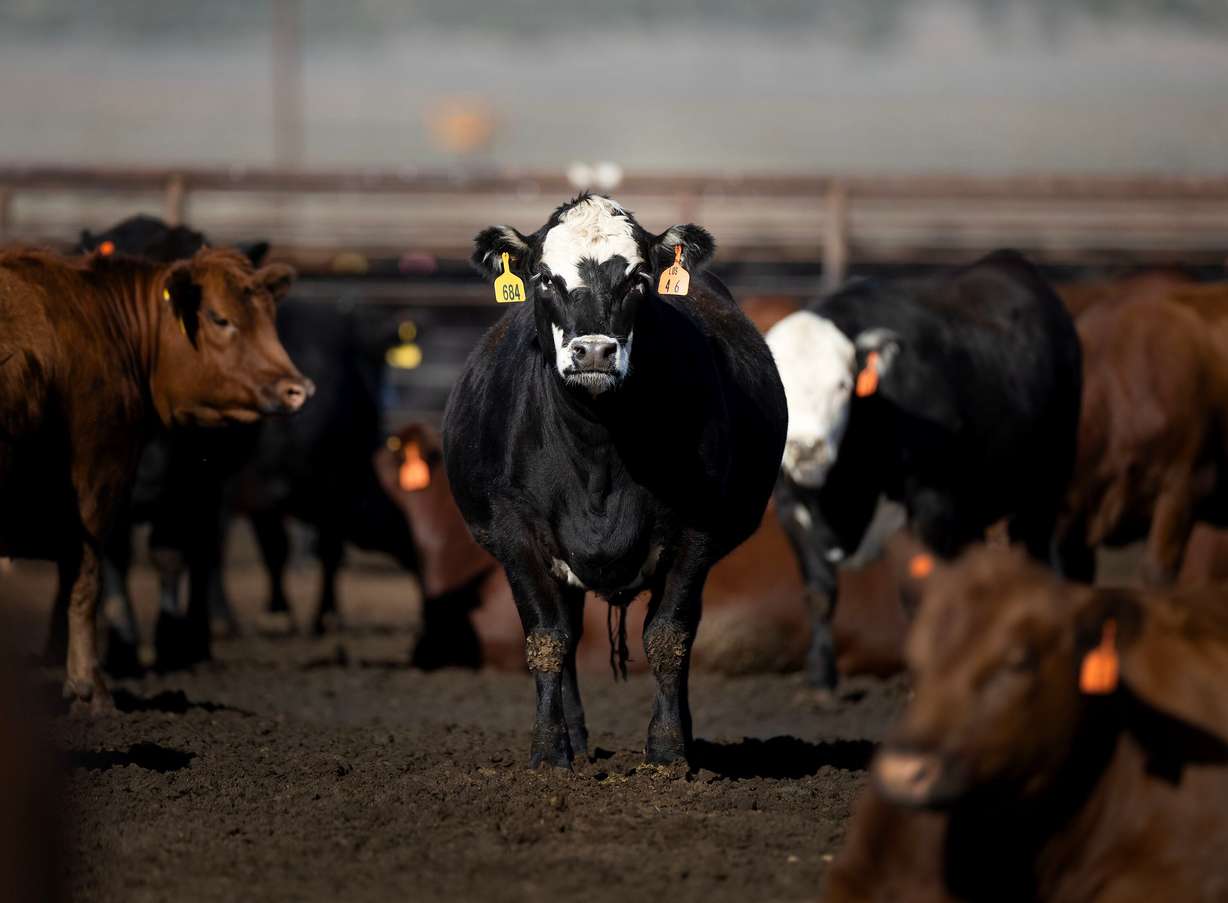
As it is now, the vast majority of Utah's cows are shipped out of state to one of the processing plants owned and operated by the beef producing companies known collectively as the Big Four: Tyson, Cargill, JBS and National Beef. These behemoths process an estimated 85% of all American cows, along with a lot more cows imported from Canada, Brazil, Argentina and many other notable beef-producing countries
The high likelihood is that the hamburger you bought this week at the supermarket or in the McDonald's drive-thru came from the Big Four.
Such a system creates two problems Wright is quick to identify:
One, you don't know where the beef you're eating came from.
Two, if something debilitating happened, such as a trucker's strike or, say, a pandemic, there's no guarantee the supply will continue.
In the pandemic of 2020, Wright saw that very scenario happen. With sheltering in place and social distancing restrictions, many Utah ranchers were left with cows getting fat in their fields, "but no one could process the meat."
"We couldn't feed our own people," says Wright. "We couldn't supply it for our own communities. We saw a hole in our own economy, in our own food system — and COVID showed it to us."
That's the catalyst that prompted Wright to build his own processing plant, one of the first constructed in Utah in over half a century, and definitely the biggest
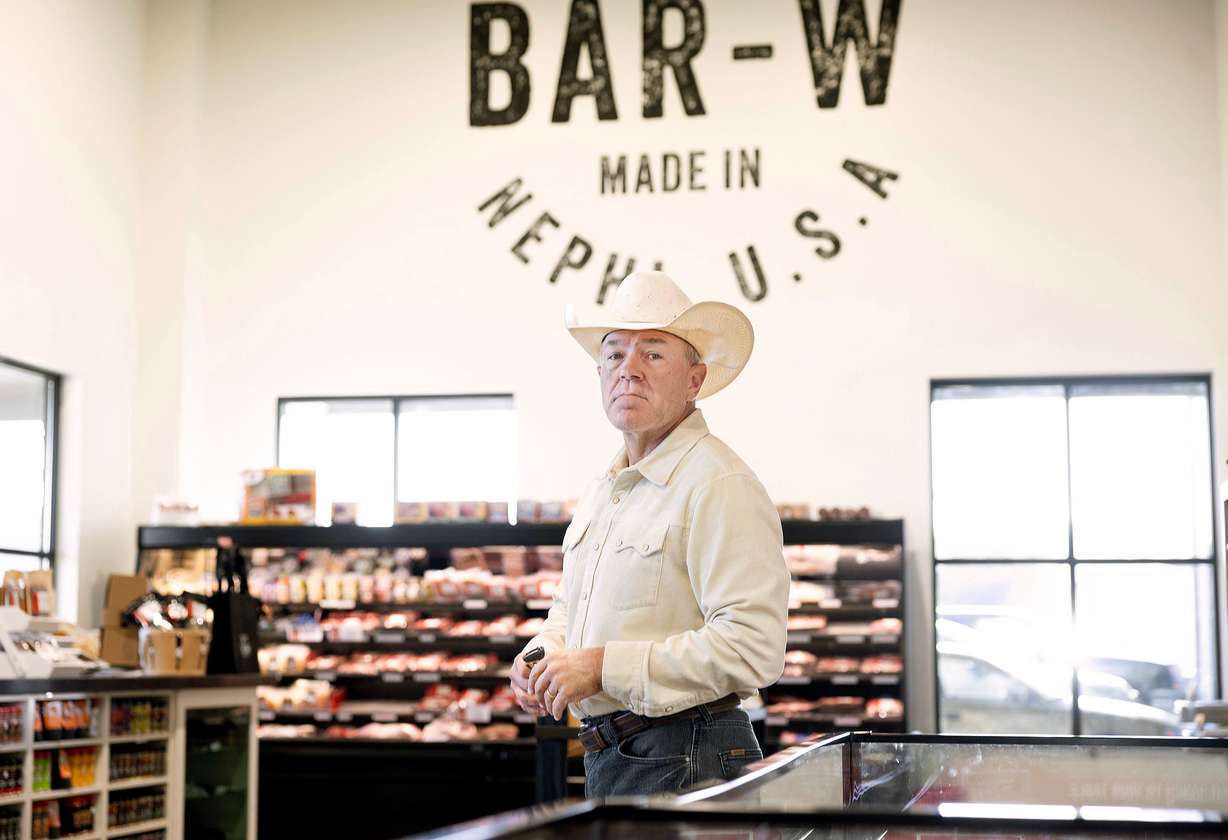
Completed in 2024, the Bar-W processing and packing plant in Nephi is capable of processing some 12,000 cows a year. True, that's about the same number of cows one of the Big Four processes in a month, but as Korey points out, "it's not nothing." And anybody who eats Bar-W beef knows full well where it came from.
Wright grew up in Draper in the south end of the Salt Lake Valley, graduating from Alta High School with the class of 1993.
But it wasn't the bright lights of the big city to the north that beckoned to him; it was the silence of the range to the south.
His mother's family had a ranch in Mills, an unincorporated township in Juab County. That's where Wright learned to ride and rope and run cows when he was growing up.
"I just fell in love with that life," he says. "All I wanted for my future was for it to take me to rural Utah, where I could have a farm and raise some cows."
At first, making a living demanded that he share his dream. After a Latter-day Saint mission and some classes at Snow College, at 22, Wright went into law enforcement, like his dad, and got a job with the Highway Patrol. Then, as fate had it, a friend of the family in Mills put his farm up for sale and Wright and his family were able to buy it.
He moved to Juab County in 1998 and worked for both the Highway Patrol and the farm until 2012, when he quit his one day-and-night job so he could concentrate solely on his other day-and-night job.
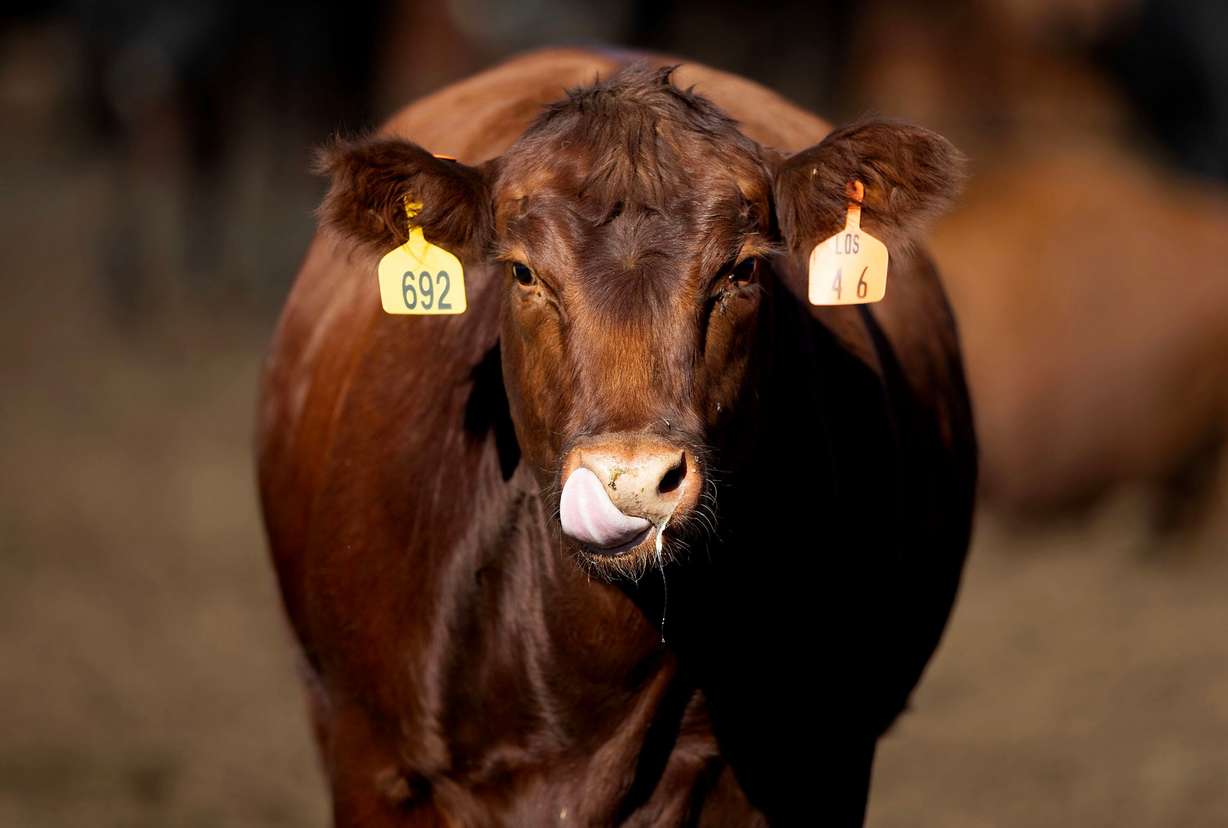
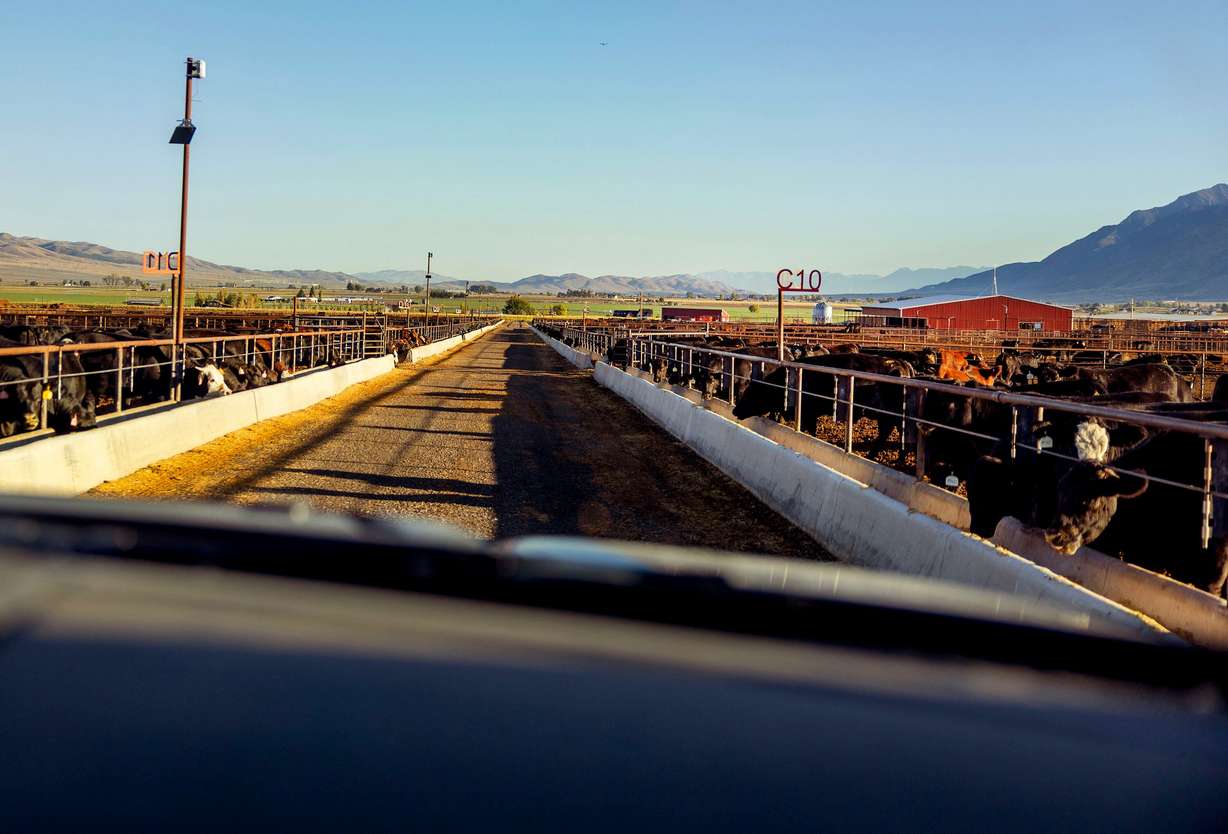
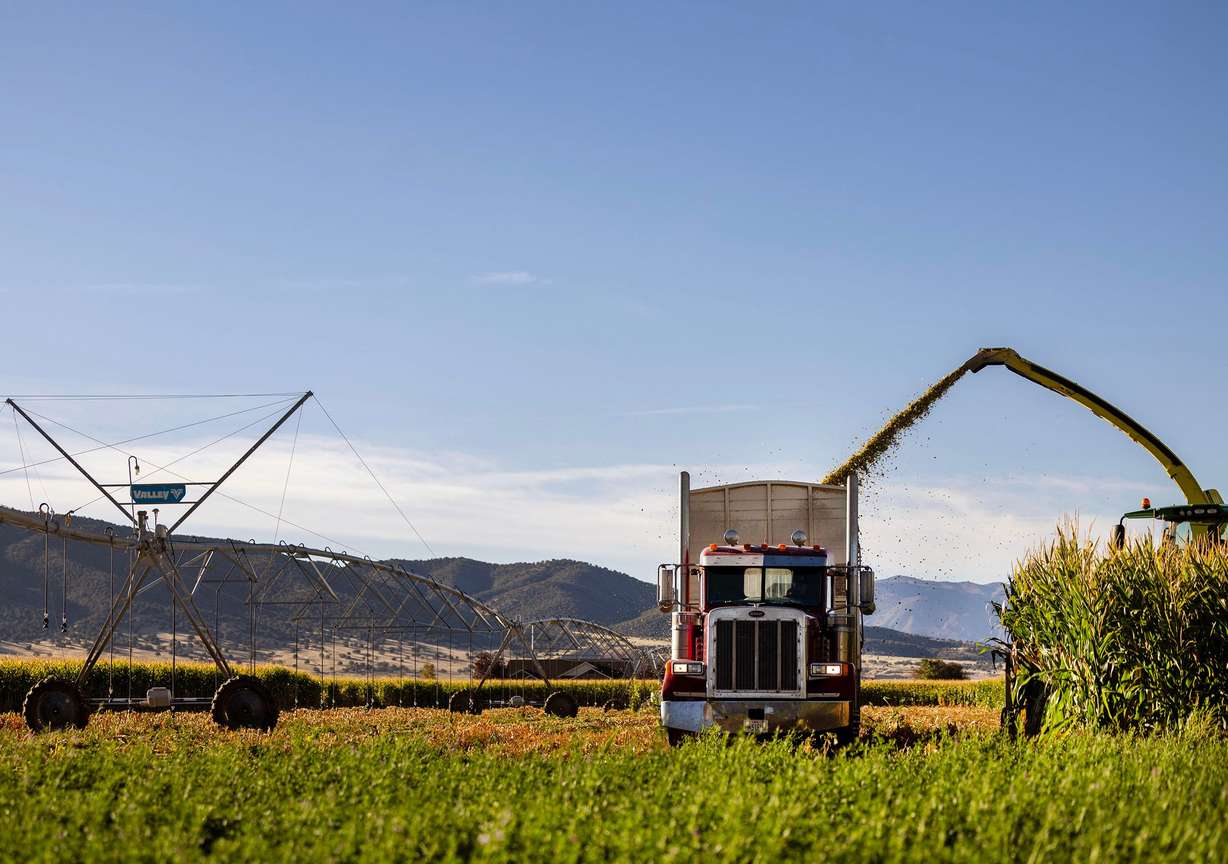
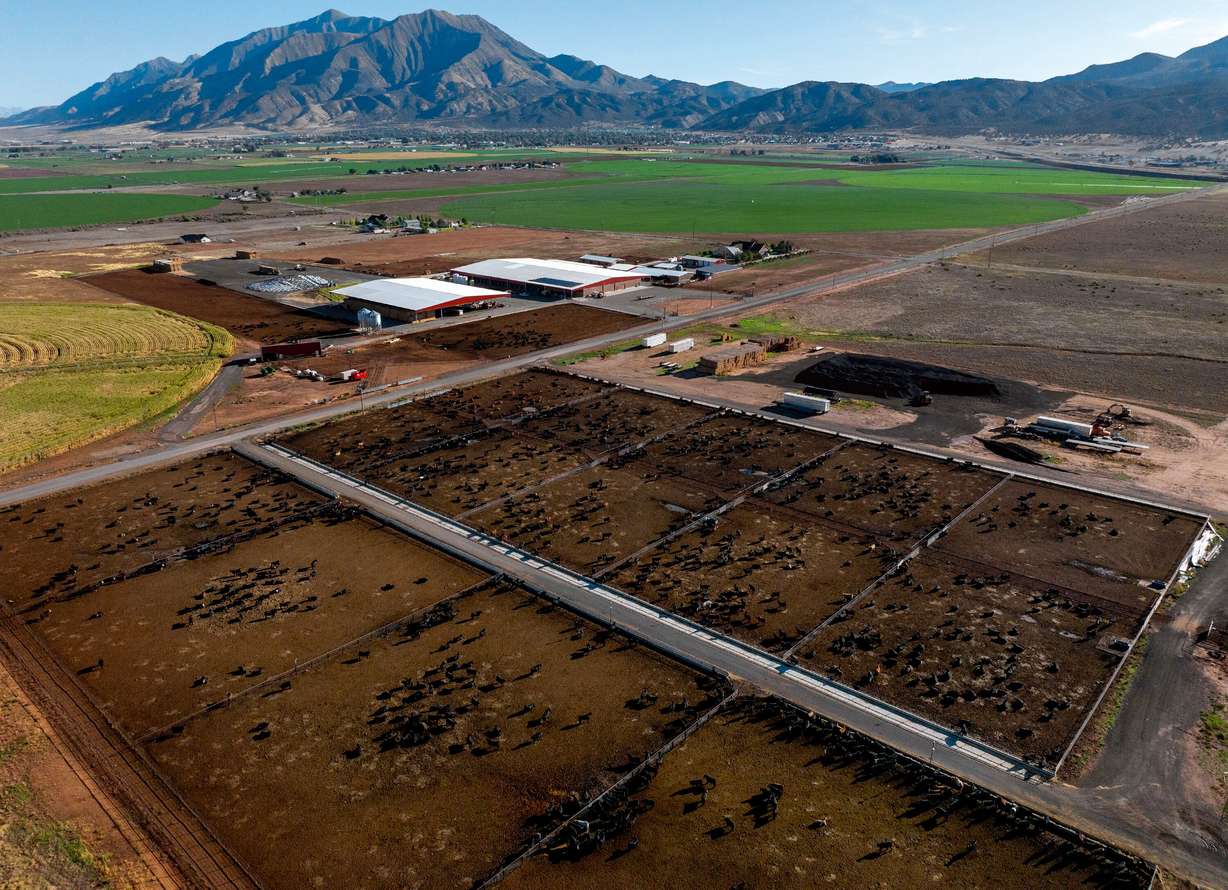
He's been expanding ever since, adding acreage and range in various locations around Utah, all of it centered around his main ranch in Nephi, bought in 2004, where today he houses some 70 horses and 6,000 to 8,000 cows, and grows food to help feed them.
The processing facility he first envisioned building in 2020 stands like a sentinel on the west side of Nephi, beckoning Utah's cows to stay home and get slaughtered here. Attached to the plant is a retail store, specializing in goods made in Utah, and a mile or so away, near the I-15 freeway, is the Bar Dub Grill and the Bar-W Steakhouse, where Wright shows off his ribeyes, T-bones and tenderloins with a true pasture-to-plate experience (be warned: it's best to get reservations).
Wright has plans to build more retail stores around the state. The next one is planned for Spanish Fork.
He'd like to get more of his beef into Utah supermarkets, "but it's a tough sell," he says. "They're getting it from these big companies cheap. The big problem is traceability. Do you know where the beef you're buying originated, how was it handled, how was it processed? We believe it's important to people to know where their beef comes from.
"We want to keep promoting Utah and building the brand," says Utah's home-grown and home-raised cattleman. "Our goal really is to feed Utah, it's that simple."