
- The First Congregational Church, founded in 1865, serves Salt Lake City even though they have moved to four different buildings.
- Originally housed in Independence Hall, it moved to "The Stone Church" in 1892, then to Foothill Drive in 1965.
- In 2022, the church sold its 1965 building and now rents space at All Saints to continue serving the community.
SALT LAKE CITY — The First Congregational Church, the first church in Utah outside The Church of Jesus Christ of Latter-day Saints, is still in Salt Lake City serving members of the community. Their original building, however, is long gone.
The congregation dates back to 1865, when a Congregational pastor rented public space to preach to those who were not members of the Church of Jesus Christ.
Soon, funds were gathered from across Utah and other Congregational churches in California and the Eastern United States to build Independence Hall, a building which could seat up to 200 worshipers on 300 South and Main Street. The first service was held there on Nov. 18, 1865, hosted by Rev. Norman McLeod.
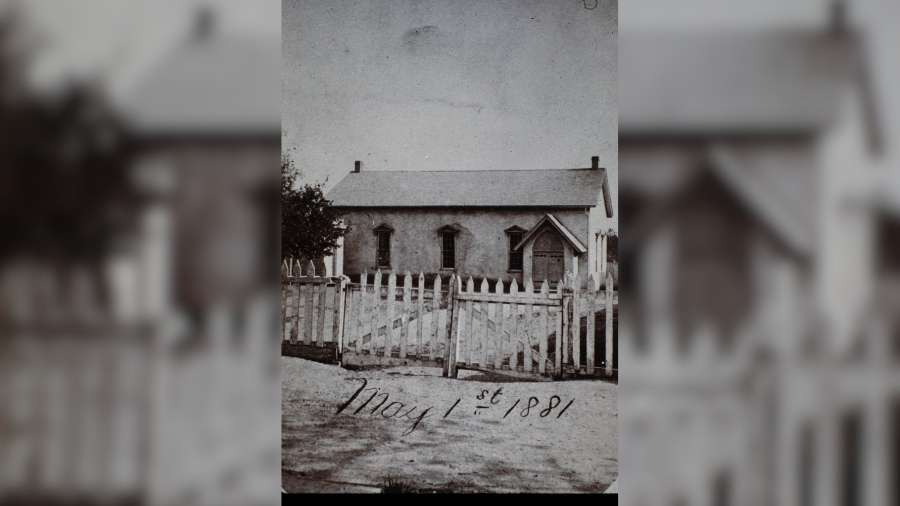
Over the next 30 years, many different religious organizations used the building, including the First United Methodist Church, the Catholic Church, the Episcopal Church and Jewish congregations. Utah's first public school was started in Independence Hall as well.
McLeod ministered to all Protestants in the area until they eventually gathered enough congregants to build their own worship spaces, according to First Congregational Church clerk and Deacon Ken Rockwell. Eventually, only the First Congregational Church was left in the building.
In 1889, the First Congregational Church sold Independence Hall as they prepared to move into a new building, soon nicknamed "The Stone Church," on the corner of 100 South and 400 East. The first service was held in the new building in 1892, and Independence Hall was eventually torn down.
The Stone Church was built using gray sandstone and different Romanesque techniques. The sanctuary within the church was octagonal-shaped, with a large organ taking up one wall. Seating for 550 individuals was included on the main floor, with another 250 seats on an upper balcony.
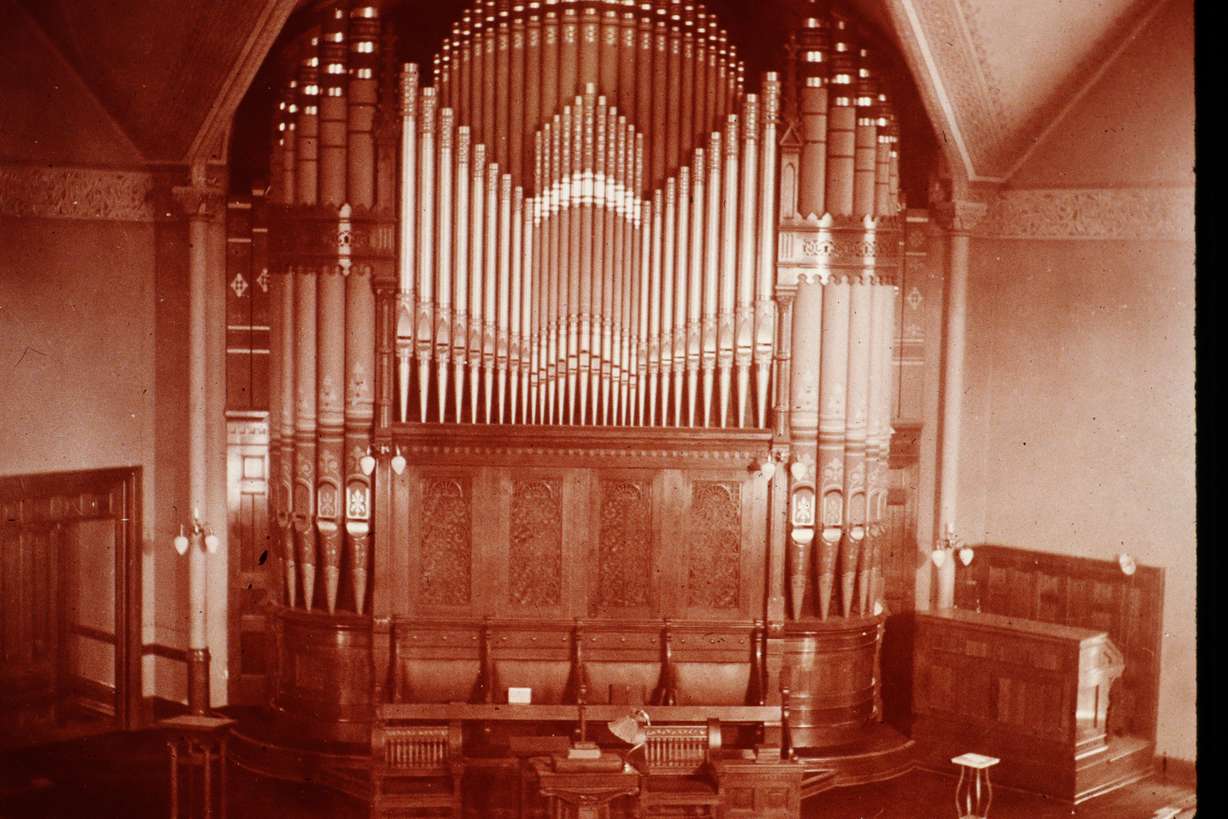
The original pulpit from Independence Hall was taken to use in The Stone Church, according to Rev. Doug Gray with the First Congregational Church.
In the 1960s, members of the church began to consider moving to a new building, which would allow them to include other amenities such as a gym and additional Sunday school classrooms for the growing congregation.
The cornerstone of the third building was laid in 1965 on Foothill Drive in Salt Lake City, with services beginning soon after. The Stone Church caught fire and was gutted shortly after moving to the new building, according to Rockwell, but crews had already planned to demolish the building before the blaze.
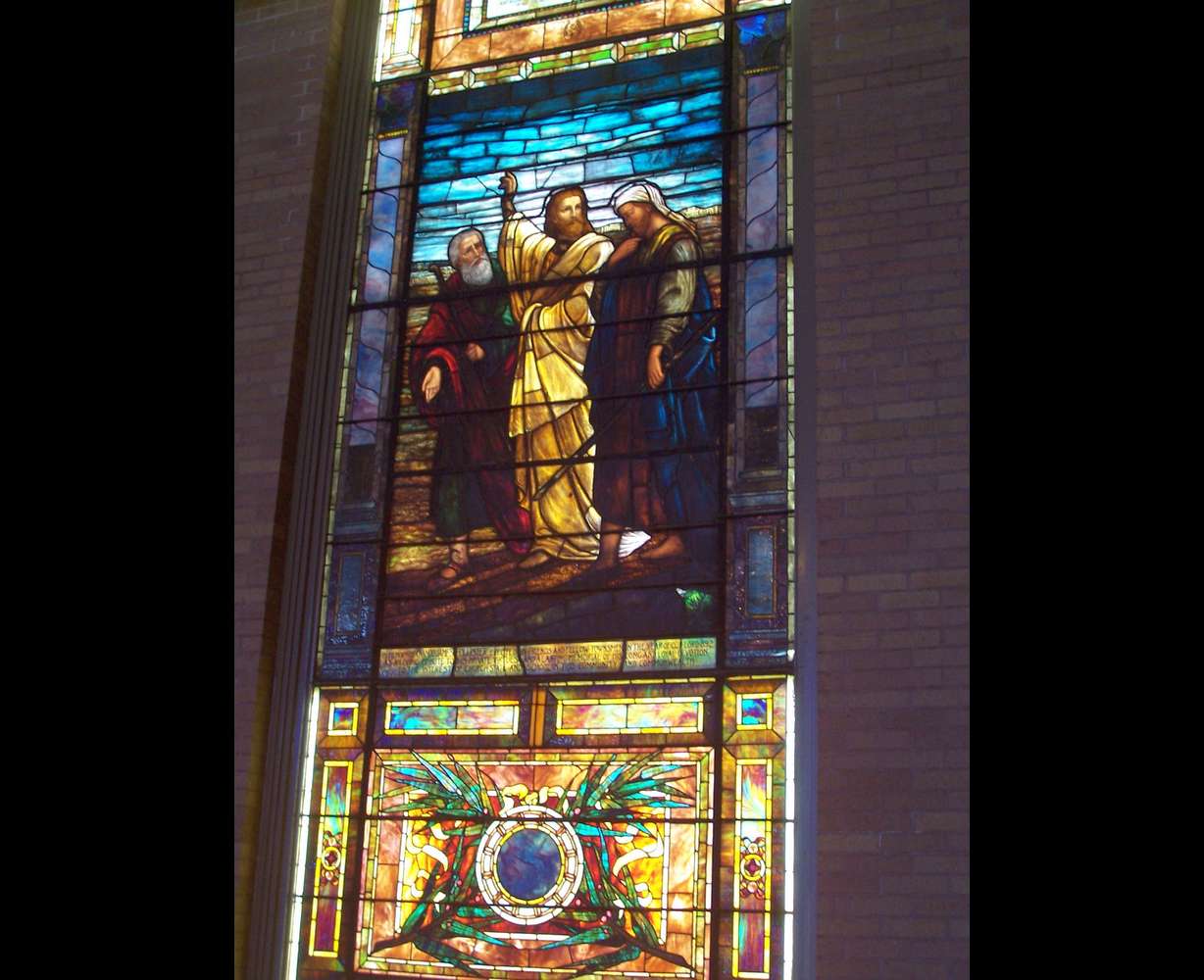
A set of chairs was taken from The Stone Church and moved to the third building. Gray joked that they looked more like thrones than chairs. The church also removed a stained-glass window depicting "The Road to Emmaus" from The Stone Church to install in the 1965 building, along with the organ.
The 1965 building was large enough for the congregation, but eventually became difficult to maintain. As time went on, the church council looked long and hard at the cost of keeping the building, ultimately making the difficult decision to sell it.
The Church of Jesus Christ acquired "The Road to Emmaus" to install the window in a Utah temple. Church leaders considered removing another stained-glass window depicting "The Good Shepherd," but found it was load-bearing. The organ was sold to the Provo Community Church.
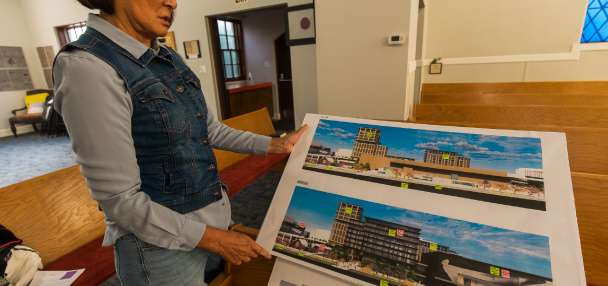
The church building was sold in 2022 for $500,000 to Crossroads Urban Center. Rockwell said the funds are being distributed to organizations that meet nearby community needs. It will eventually be demolished to make way for additional housing.
The First Congregational Church currently rents space from the All Saints Episcopal Church. The cornerstone from the 1965 building was carefully removed and now sits outside the door to St. John Hall within All Saints Episcopal Church.
Rockwell said the 1965 building had served their congregation well, but their fellowship is still "functioning quite well" in the rented building and they enjoy working with their hosts on joint projects.
Gray said the church offers something "unique and very special" to the Salt Lake area and is glad they are still here, providing a space where people in the community can live with tolerance toward others, just as they had since the beginning.
"I'm really excited and hopeful because this church could have folded," Gray said. "A lot of the churches facing similar situations have hung up their spurs. But this church said, 'We're not done with the adventure that God called us to.' They chose to walk the road that has more depth and challenge to it."